Gold Disclosure Scheme: A 'Golden' Fix for India's Forex Woes?

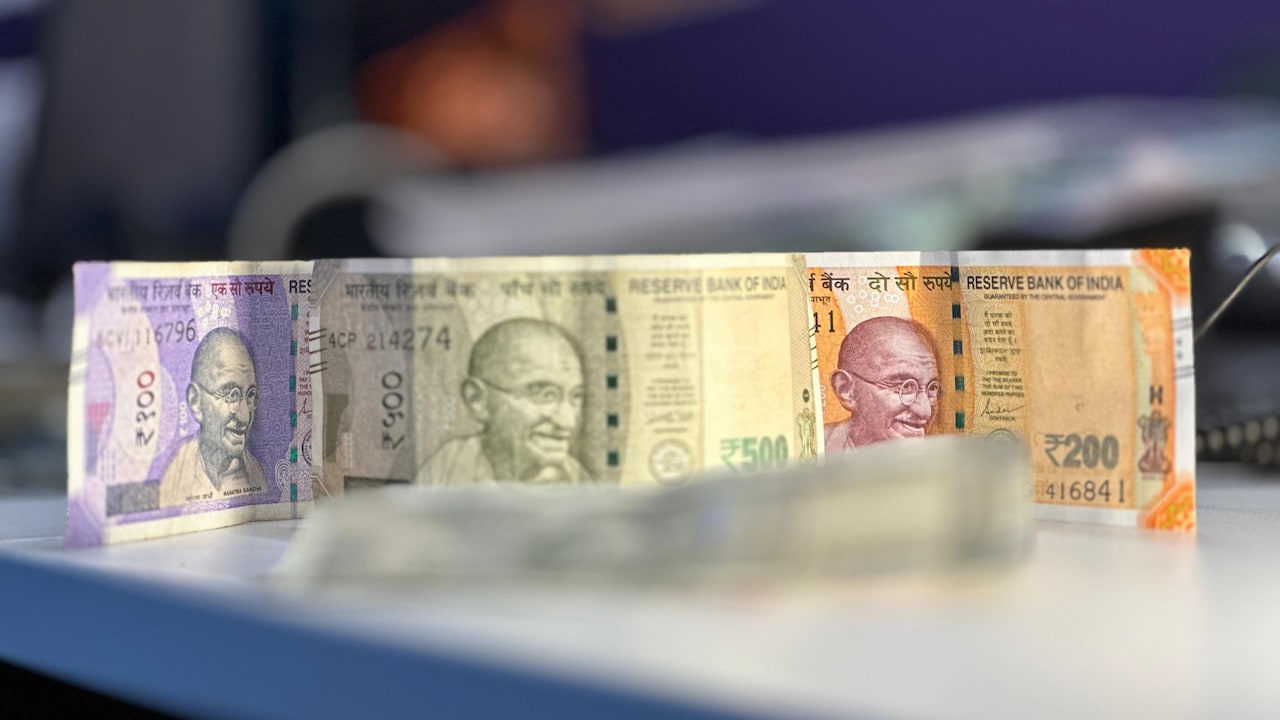
The government is actively considering a voluntary gold disclosure scheme to mobilise idle gold held by households and reduce the strain on foreign exchange reserves. The proposal, which has been discussed at the highest levels over the past month, aims to tap into the vast stocks of gold — bars and coins — that Indians hold as investments, rather than jewellery meant for consumption.
The idea stems from an austerity appeal made by Prime Minister Narendra Modi in Hyderabad on May 10, where he urged citizens to refrain from buying gold for a year, conserve fuel, and limit foreign travel, against the backdrop of the West Asian crisis that pushed oil prices above $100 a barrel. Such measures are intended to reduce imports and preserve foreign exchange.
India has a long history of leveraging its gold reserves during economic emergencies. In the early 1990s, facing a severe foreign exchange crisis, the Reserve Bank of India pledged 46.91 tonnes of gold with the Union Bank of Switzerland to raise $405 million. That gold was redeemed within four months. In 1993, the government launched a Gold Bonds Scheme to bring private gold into the formal economy, offering immunity from inquiries about the source of the gold. The scheme collected 41.12 metric tonnes of gold.
Now, in May 2026, India faces a different challenge. Rising crude oil prices are widening the trade deficit and putting pressure on the rupee. While forex reserves remain robust at over $675 billion, the government is exploring innovative ways to curb gold imports, which account for a significant portion of the current account deficit.
The proposed voluntary disclosure scheme aims to encourage households to declare their gold holdings and deposit them with authorised entities, earning interest or other benefits. The government hopes this will reduce the need for fresh imports and help stabilise the forex market. However, experts caution that such schemes have had mixed success in the past and require careful design to attract participation.
The Cabinet Secretariat has held meetings with stakeholders to address concerns, while an empowered group of ministers has met twice to finalise the framework. The government is expected to announce the scheme in the coming weeks, as part of a broader strategy to manage external vulnerabilities.