GLP-1 Drugs and Hair Loss: New Study Finds Modest Risk, But Benefits Outweigh Concerns
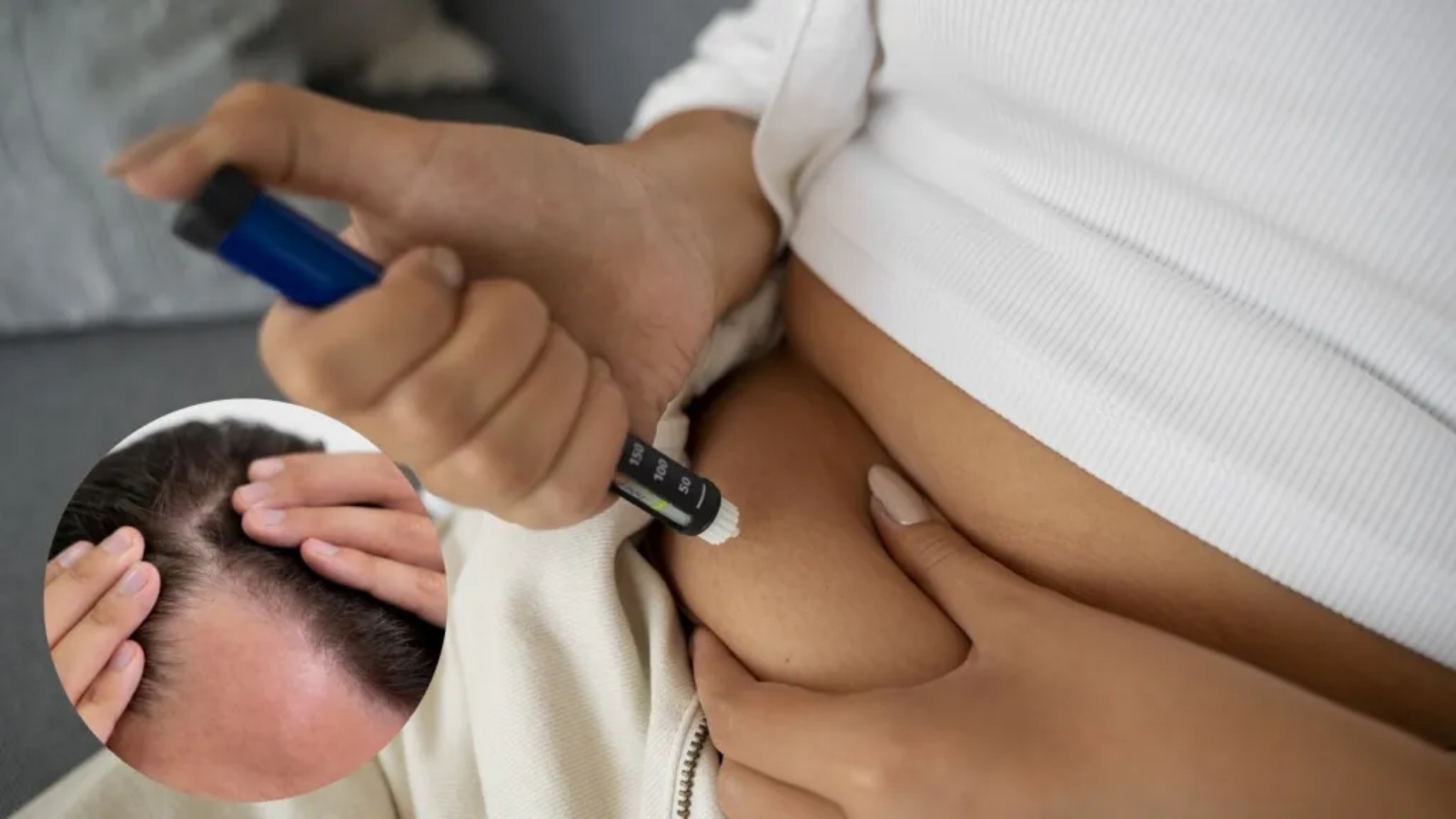
A new study published in The BMJ has found that adults with Type 2 diabetes taking GLP-1 receptor agonists—a class of drugs used for weight loss and blood sugar control—may face a slightly higher risk of hair loss compared to those on other diabetes medications. However, researchers emphasise that the overall risk is low and that the hair loss is often temporary and non-scarring.
GLP-1 drugs, such as semaglutide and liraglutide, have revolutionised treatment for obesity and diabetes, helping millions achieve significant weight loss and improved metabolic health. Yet, as their use expands, scientists continue to uncover side effects beyond the common digestive issues. This study, analysing electronic health records from the University of Pennsylvania Health System, compared over 12,000 adults prescribed GLP-1 drugs with patients taking SGLT-2 or DPP-4 inhibitors between 2019 and 2024.
After adjusting for factors like age, sex, ethnicity, body mass index and other illnesses, the researchers found that those on GLP-1 drugs had a 37% higher relative risk of alopecia than those on SGLT-2 inhibitors and a 68% higher risk compared to DPP-4 users. However, they caution that these figures refer to relative risk, while the absolute risk remained small—roughly six to seven cases of hair loss per 1,000 people per year. In other words, most users did not experience hair loss.
The study further noted that the associated hair loss was almost entirely non-scarring alopecia, meaning the hair follicles remain healthy. Unlike scarring alopecia, which can cause permanent damage, non-scarring hair loss is often temporary, and hair can regrow once the underlying trigger is removed or the body adjusts.
Whether the hair loss is directly caused by the drug or by the rapid weight loss it induces remains unclear. Many specialists believe that the metabolic stress of rapid weight loss—common with GLP-1 medications—may be the more likely culprit. Hair follicles are sensitive to changes in nutrition and hormones. When the body loses weight quickly, it may divert resources away from hair growth, pushing follicles into a resting phase and leading to diffuse shedding two to four months later, a condition known as telogen effluvium.
Rapid weight loss can also deplete nutrients essential for hair health, including protein, iron, zinc and B vitamins. Additionally, the hormonal and metabolic changes triggered by GLP-1 drugs—such as altered insulin signalling and appetite regulation—may play a role, though direct evidence of harm to hair follicles is lacking.
Importantly, the study does not suggest that patients should stop taking GLP-1 medications due to hair loss concerns. The benefits of these drugs for managing diabetes and obesity are well-established, and the risk of temporary hair loss is low. Patients experiencing hair loss should consult their doctor, who can assess potential causes and recommend steps such as nutritional optimisation or, in rare cases, adjusting the medication.
This study adds to our understanding of the full spectrum of effects of GLP-1 drugs, but more research is needed to disentangle the medication's direct impact from the effects of rapid weight loss. For now, the message remains clear: the health benefits of these drugs outweigh the modest, often reversible risk of hair loss for most patients.