FSSAI bans plastic and foil in pan masala packaging, mandates natural materials
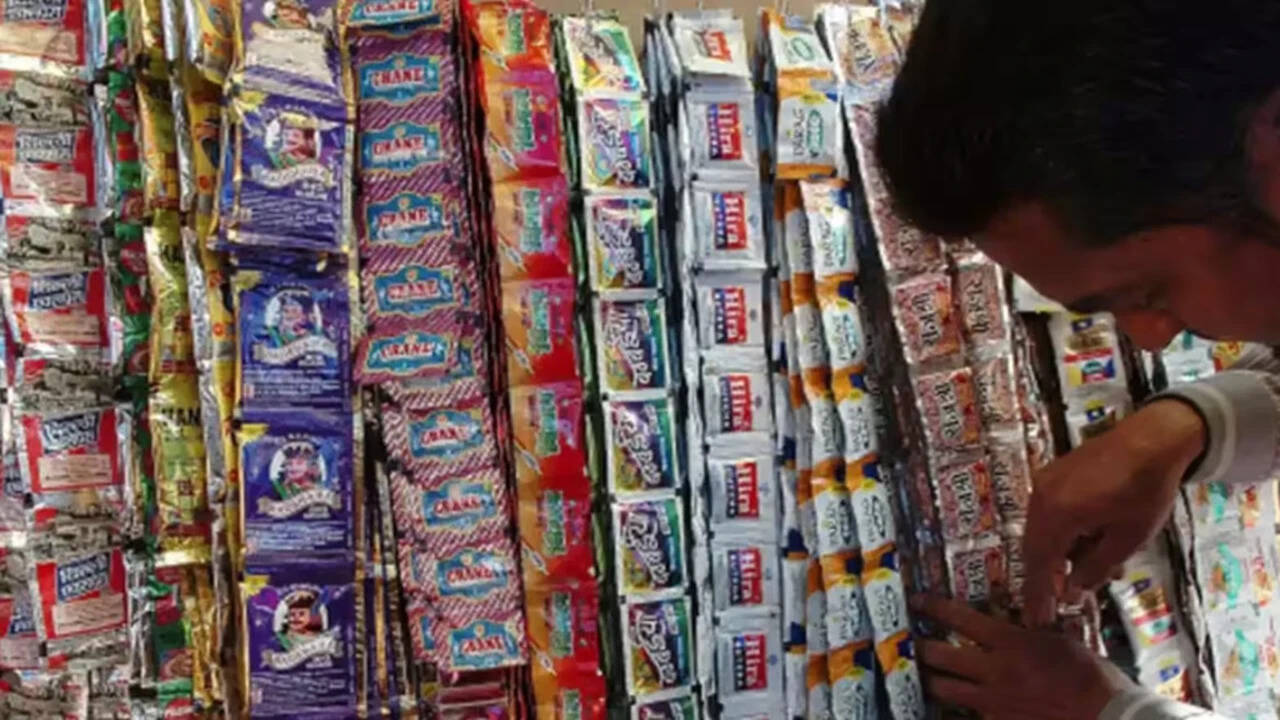
The Food Safety and Standards Authority of India (FSSAI) has taken a significant step to reform pan masala packaging by prohibiting the use of plastic, foil, and synthetic laminates. The new regulation mandates that pan masala be packed only in paper, paperboard, cellulose, or other naturally derived materials. The order, issued under the Food Safety and Standards (Packaging and Labelling) Regulations, is expected to reshape the industry, which has traditionally relied on small plastic sachets and metallic foil pouches.
The FSSAI's decision is aimed at tackling two key concerns: the environmental impact of non-recyclable packaging and the potential health hazards arising from materials that may come into direct contact with food. Plastic and synthetic laminates are known to persist in the environment for decades, contributing to the growing problem of solid waste. Moreover, certain types of foil and laminate can leach chemicals into the product, especially under varying temperatures and storage conditions, thereby compromising consumer safety.
Under the new norms, permissible packaging materials are restricted to those that are biodegradable or derived from natural sources. Paper and paperboard are the most readily available alternatives, while cellulose films offer a transparent option for product visibility. The FSSAI has clarified that any packaging that does not conform to these standards will be treated as non-compliant, and manufacturers will face penalties under the Food Safety and Standards Act, 2006.
Industry observers point out that the move could initially increase costs for manufacturers, particularly small and medium enterprises. The switch to natural materials often requires re-engineering of existing machinery and sourcing of new raw materials. However, these costs are likely to decrease as the supply chain for eco-friendly packaging expands. For consumers, the most visible change will be the texture and durability of the packaging, which may be less moisture-resistant than plastic but is safer for the environment.
Environmental groups have welcomed the announcement, calling it a proactive measure to combat plastic pollution. They have urged the FSSAI to ensure strict enforcement and to extend similar norms to other food categories that use excessive plastic packaging. The regulator, for its part, has indicated that it will monitor compliance and issue detailed guidelines on the recently approved materials, including testing methods and certification procedures.
The notification does not specify a separate transition or grace period. Stakeholders are expected to comply immediately, though practical challenges might necessitate phased implementation. The FSSAI is likely to receive representations from industry bodies and may adjust the timeline accordingly. In the interim, companies have been advised to clear existing stock and start procuring compliant packaging to avoid penalties.
This is not the first time the FSSAI has tightened norms for consumer products. Earlier, it regulated front-of-pack labelling for high-fat, sugar, and salt foods, and cracked down on misleading advertising. The pan masala packaging directive is part of a broader strategy to align India's food safety standards with global best practices. By prioritising natural materials, the regulator is also sending a clear signal that environmental sustainability is a non-negotiable aspect of food governance.







