Free Speech Not a Licence for Criminal Online Content: Madras High Court
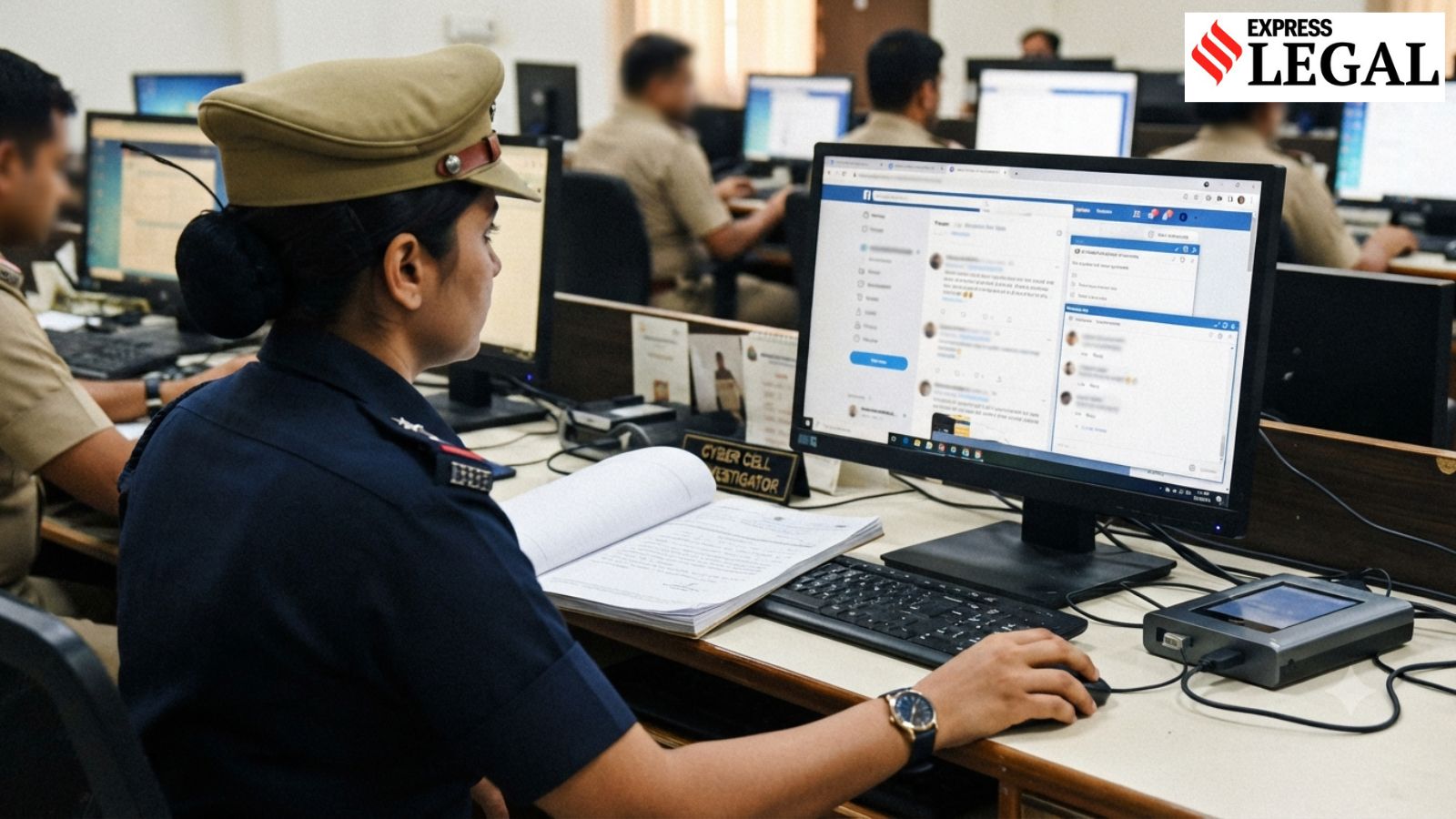
The Madras High Court has ruled that freedom of speech, while a fundamental right, does not permit the publication of online content that may amount to criminal offences. The court directed prompt police action on complaints regarding allegedly offensive social media posts targeting a political leader, emphasizing that delays could result in the loss of crucial digital evidence.
Justice L. Victoria Gowri, hearing a writ petition by G. Thirumurugan alias Theeran Thirumurugan, state coordinator of the Naam Tamilar Katchi (NTK) and a practising advocate, ordered the Tamil Nadu Police to act on a complaint filed on July 2, 2026. The complaint was against two social media content creators for allegedly defamatory and offensive videos targeting NTK chief Senthamilan Seeman.
“This Court is conscious that in a constitutional democracy, the right to freedom of speech and expression occupies a cherished position. Equally, such freedom is not absolute and remains subject to the reasonable restrictions recognised under Article 19(2) of the Constitution of India…The law does not permit publication of content which may amount to commission of cognisable offences merely because the subject matter concerns a political personality. Conversely, the investigating agency cannot adopt different standards while responding to complaints depending upon the political identity of the individuals involved,” the court said on July 28.
The petition alleged that YouTube videos and other social media posts containing morphed images and abusive language against Seeman remained online despite a complaint to the police. The high court directed the cyber crime police to proceed with investigation, preserve electronic evidence, and identify the digital sources behind the impugned content.
According to the petition, content creators had published videos ridiculing Seeman through satire, sarcasm, and offensive personal attacks. One video used morphed images along with abusive and derogatory expressions in Tamil. The petitioner argued that the content crossed permissible limits of political criticism and amounted to slanderous and indecent material intended to insult and defame Seeman.
The state government informed the court that the complaint was registered on July 25, and summonses were issued to the petitioner on July 16, 20, and 24 for enquiry. The police claimed the petitioner did not cooperate, while the petitioner’s counsel disputed this.
The court observed that police inaction could erase crucial digital evidence, and directed that complaints about unlawful online content be handled with equal urgency regardless of political affiliation.