Festive Season Gig Hiring Up 15-20%; Tier-II Cities Emerging as Job Hubs
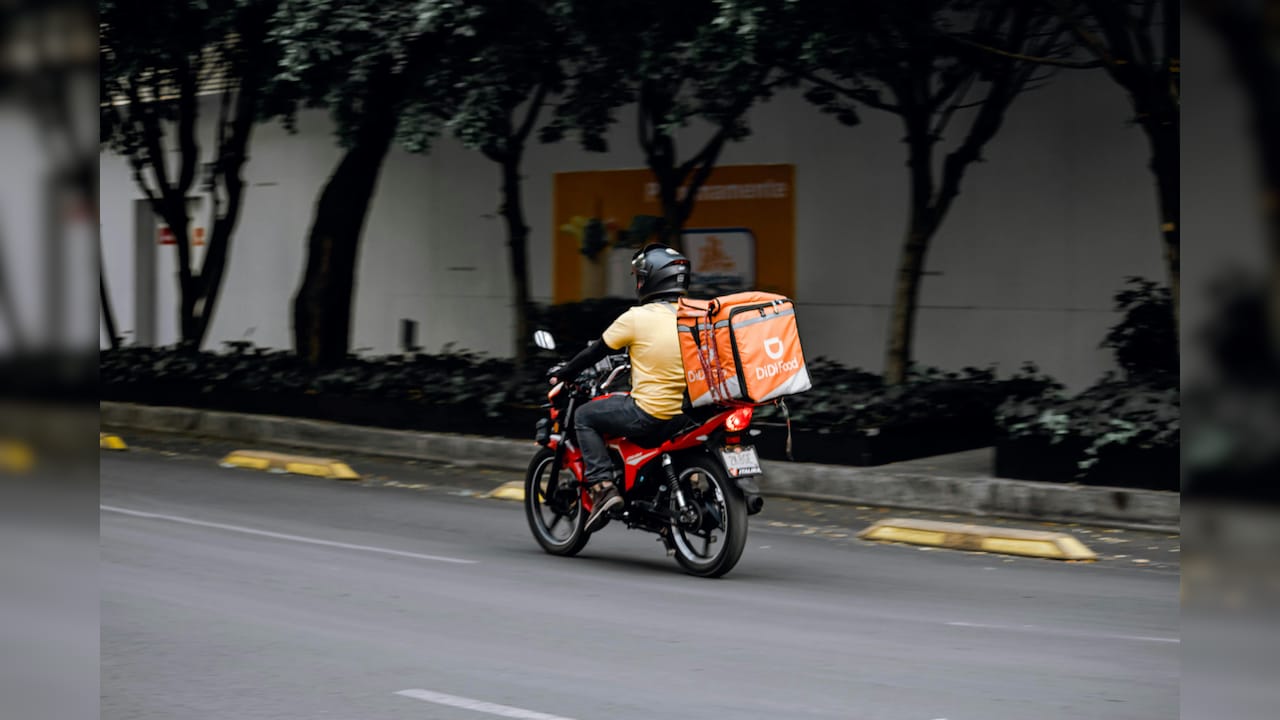
India's festive season has brought a significant rise in hiring for gig and seasonal workers, with estimates pointing to a 15-20 per cent increase compared to last year. According to TeamLease Services, companies are ramping up recruitment to meet a sharp surge in shopping, deliveries, and consumer demand during this period.
This year, however, the hiring pattern is changing. Employers are moving away from simply mobilising large numbers of workers. Instead, they are focusing on candidates with specific skills for frontline roles. Balasubramanian Anantha Narayanan, Senior Vice-President at TeamLease Services, said, "Employers are shifting from sheer volume recruitment to precision hiring."
The strongest demand for workers is coming from e-commerce, quick commerce, logistics, organised retail, FMCG, and consumer durables. Delivery associates remain among the most sought-after professionals. Warehouses and fulfilment centres are also adding staff ahead of the festive rush, while retail stores are recruiting store associates, field sales executives, and in-store promoters.
Specialised positions are also being created. Dark stores need fulfilment staff, warehouses require inventory coordinators and workers capable of operating automated systems, and companies are hiring for returns and quality-check roles. "Companies are increasingly looking for workers who have basic digital skills and can handle more specialised operational work," Narayanan told NDTV.
A notable trend this year is the growing importance of Tier-II and Tier-III cities in the hiring landscape. As local consumption rises, companies are expanding their footprint beyond metros. Kartik Narayan, CEO of the jobs platform Apna, told NDTV that gig opportunities in smaller cities are growing faster than metros. "These markets now account for nearly 55 per cent of gig postings, compared with about 39 per cent two years ago," he said. Quick commerce is a major driver, with gig postings in smaller cities growing more than 600 per cent year-on-year.
The expansion is proving significant for workers in smaller cities. It offers local employment options that reduce the need to migrate to metropolitan areas. "As consumption decentralises, employment is decentralising with it. For a growing number of workers, opportunity is beginning to move closer to home," Narayan added.
Despite the growth in smaller towns, Tier-I cities continue to offer better earnings. Workers in metros generally receive higher compensation because companies face more intense competition for frontline talent. The higher cost of living in large cities also contributes to this wage gap.
Beyond fixed pay, festive hiring this year is increasingly accompanied by incentives. These include peak-day surge pay, productivity-linked payouts, referral bonuses, fuel allowances, and shift allowances. Some companies are also offering attendance and tenure-completion bonuses to retain workers through the busy period. Narayanan explained, "In metros, employers tend to compete more aggressively through incentives and variable earnings." In smaller cities, the growing availability of jobs itself serves as an attraction.
The overall picture suggests that festive season hiring is not only expanding in volume but also becoming more structured. With a mix of metro competition and rising opportunities in smaller cities, the job market is adapting to new consumption patterns and the needs of both employers and workers.







