FCRA Bill: Government Signals Joint Panel Amid Opposition's Rollback Demand
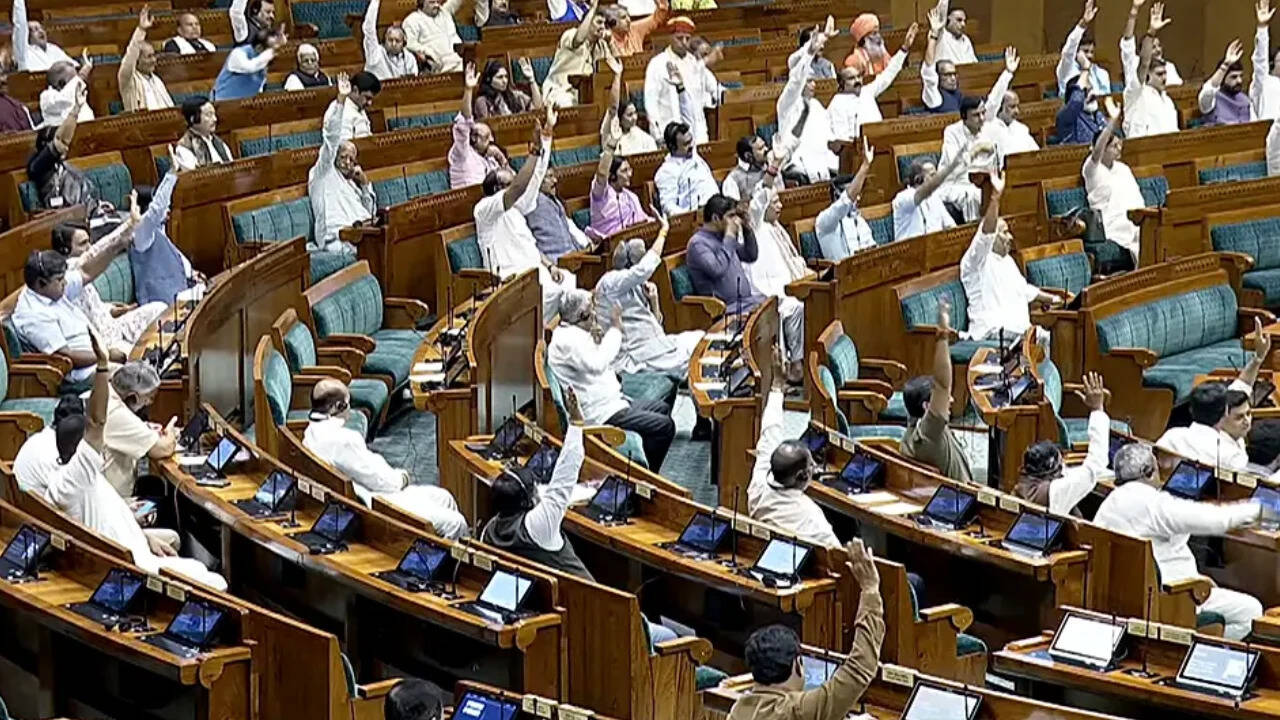
The Foreign Contribution (Regulation) Amendment Bill, introduced in the Lok Sabha on March 25, did not figure in Monday’s Business Advisory Committee (BAC) deliberations involving the government and various parties. The meeting, which discussed the agenda for the remaining three days of the monsoon session, deepened uncertainty over whether the ruling alliance will press for the passage of the proposed legislation.
According to sources, the government has reached out to the Congress-led opposition to seek its views on referring the bill to a Joint Committee of Parliament (JPC) for scrutiny. Lok Sabha Speaker Om Birla is said to have spoken with Congress Member of Parliament K C Venugopal regarding the proposal. Venugopal, however, reiterated the opposition’s demand for a complete withdrawal of the legislation.
The bill, which seeks to amend the Foreign Contribution (Regulation) Act, has been pending since its introduction, amid sharp protests from opposition parties and minority groups, particularly Christian bodies. These groups have expressed concerns over the potential impact of the proposed changes on organisations that receive foreign funds.
Government sources, however, insisted that such apprehensions are ill-founded as the bill is religion-neutral. They noted that Christian groups receive less than 17 per cent of total funding under the FCRA. “We are sure about our bill but will reach out to critics,” a minister said, indicating the government’s willingness to address concerns.
With the opposition protesting over a host of issues, a detailed discussion on the bill appears all but ruled out in the current session. This denies the government an opportunity to respond to the criticism in a structured parliamentary debate. The move to explore a JPC is seen as an attempt to build consensus, but the opposition’s firm stance suggests a deep political divide over the legislation.
The FCRA, originally enacted in 2010, regulates foreign contributions to individuals and organisations in India. Amendments to the act have historically attracted scrutiny from civil society and political groups. The current bill, if passed, would alter provisions governing the receipt and utilisation of foreign funds.
The bill’s future now hinges on parliamentary arithmetic and the willingness of both sides to engage in negotiation. While the government appears open to refer the bill to a JPC, a mechanism that allows for detailed scrutiny and stakeholder input, the opposition’s demand for a total rollback leaves little room for compromise. The coming days will reveal whether the government proceeds with the bill or holds it over for further consultations.