FCRA Amendment: India Tells US It's Internal Matter; Shah Meets Church Leaders
India has rejected criticism from the United States over its recently enacted Foreign Contribution Regulation (Amendment) Act, 2020, describing the law as an internal matter. The response comes after the US State Department expressed apprehensions that the law could restrict the functioning of civil society organisations in India.
The FCRA amendment, passed by Parliament in September 2020, empowers the government to deny or cancel the registration of non-governmental organisations (NGOs) if it believes their activities are against the "sovereignty and integrity" of the country. The new law also makes Aadhaar mandatory for every key functionary of an organisation seeking registration or renewal, and requires NGOs to receive foreign funds only in a designated bank branch.
While the government says the amendments are aimed at enhancing transparency and ensuring that foreign contributions do not compromise national security, critics argue that the stringent provisions will hamper the work of NGOs, particularly those involved in human rights and environmental advocacy. Several civil liberties groups have also expressed concern that the law could be used to stifle dissent.
The United States was among the countries that voiced concern. In October, the US State Department's acting assistant secretary for South and Central Asian affairs, Alice Wells, said Washington was concerned about the impact of the FCRA amendments on civil society in India. Her remarks drew a sharp response from New Delhi, which asserted that the matter was not open to external scrutiny.
The Ministry of External Affairs said in a statement that India's laws are enacted by its sovereign Parliament and that the government is committed to the transparent and accountable use of foreign funds. It added that the amendments were intended to tighten the legal framework and prevent any misuse of foreign money.
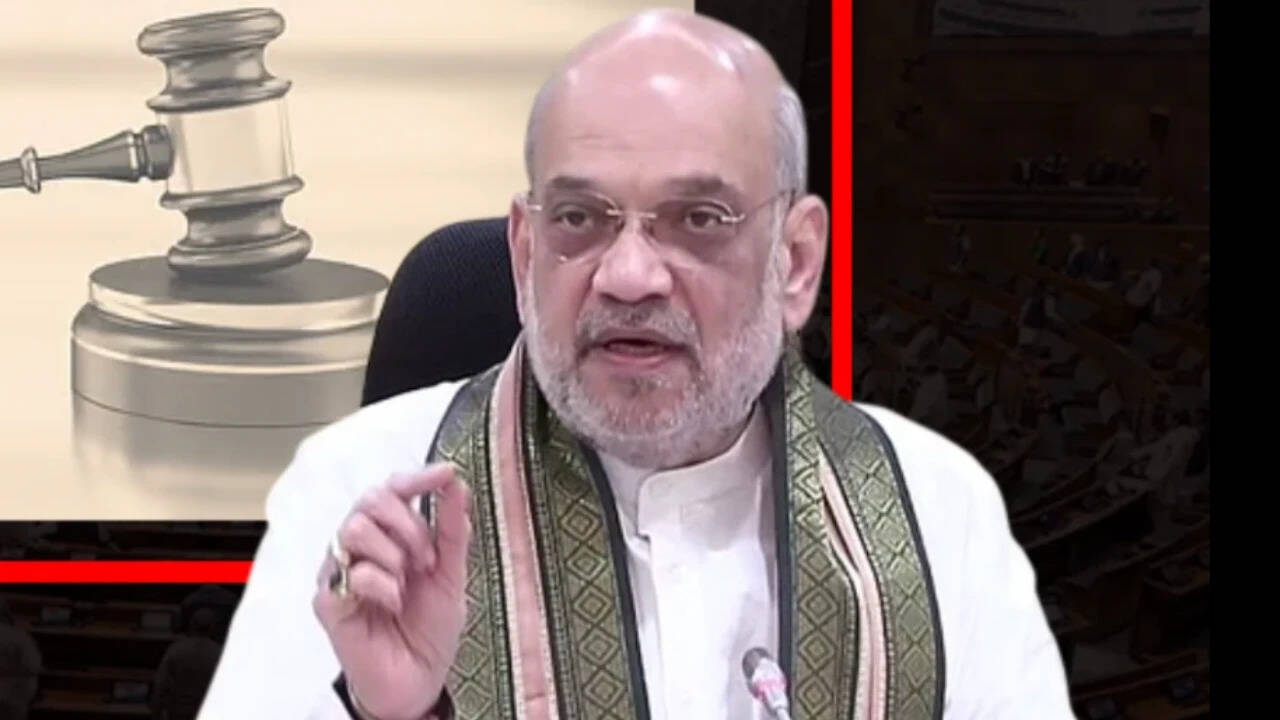
Meanwhile, Home Minister Amit Shah has held multiple meetings with representatives of church bodies in an effort to address their concerns about the new law. These meetings, which took place earlier this month, were aimed at reassuring the Christian community that the law is not directed against any religious group.
According to people familiar with the discussions, Shah told the church leaders that bona fide religious, charitable and educational activities would continue without hindrance. He is said to have clarified that the main objective of the law is to ensure compliance with the legal framework and to prevent foreign funding from being used for activities detrimental to the country's interests.
Representatives of the church bodies had reportedly sought clarity on the requirement of Aadhaar for registration and the permission needed for receiving foreign contributions. They also raised concerns about the need to open a new bank account for receiving funds. Shah is understood to have assured them that the government would consider genuine difficulties.
The FCRA amendment is one of several legislative changes that have drawn scrutiny from Western countries. India has consistently maintained that such assessments are unwarranted and that its parliament has the sovereign right to legislate on matters of national interest. The government has also emphasised that the new law brings greater accountability to organisations that receive foreign funds.
Political analysts note that the outreach to church groups indicates the government's sensitivity to the concerns of minority communities. The meetings are seen as an attempt to dispel fears that the law could be misused against religious institutions. The government has denied any such intention, reiterating that the law applies equally to all organisations.
The FCRA (Amendment) Act, 2020, came into force with retrospective effect from January 1, 2020. It requires all NGOs registered under the FCRA to renew their registration every five years. Existing organisations have also been asked to comply with the new norms.
The government's handling of the issue will be watched closely as foreign funders and Indian NGOs adapt to the changed regulatory environment. For now, the message from both the government and the church representatives is one of dialogue and clarification.