Exam Reforms: Centre Invites Students, Parents, Teachers to Share Suggestions
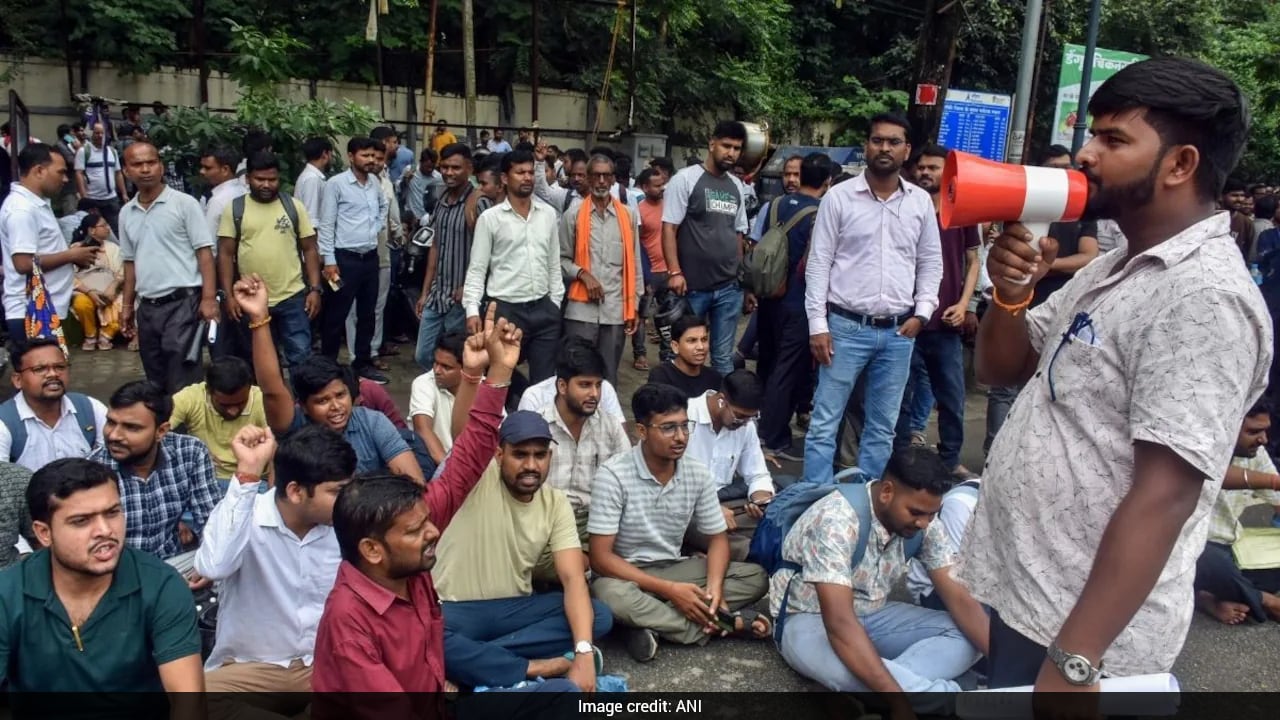
The Union government has constituted a High-Powered Task Force (HPTF) to recommend comprehensive reforms in the conduct, security, design, and governance of public examinations, including those conducted by the National Testing Agency (NTA). Public examinations in India serve as critical entry points for millions of students seeking admission to higher education institutions and for candidates appearing in recruitment drives conducted by various government agencies. The task force, chaired by Nandan Nilekani, will examine the existing examination ecosystem and propose measures to make it more robust, secure, and transparent.
The government has launched a public consultation process, inviting suggestions from students, parents, teachers, and all other stakeholders. The stated objective is to develop a robust, secure, transparent, equitable, and future-ready public examination system. The NTA, through its official X handle, has urged citizens to share their inputs, noting that the task force wants to hear from students, parents, teachers, and every citizen. The feedback portal further states that inputs received through this consultation will assist the task force in developing its recommendations.
To ensure broad participation, the government has provided multiple submission channels. Interested individuals and organisations can visit the official website at examreforms-taskforce.dopt.gov.in, call the toll-free number 1800-180-4747, send a WhatsApp message with the word "hptf" to +917827042830, or email their suggestions to ExamReformsTaskforce@dopt.gov.in. The website is hosted on the Department of Personnel and Training's domain, indicating that the task force operates under the central government's administrative framework. These channels are designed to make it easy for people from different backgrounds and regions to submit their feedback.
The submission window remains open until September 13, 2026. As per official guidelines, suggestions may be submitted in English, Hindi, or any regional language. This flexibility ensures that non-English speakers can also participate without language barriers.
The consultation is open to a wide range of participants. The government has invited suggestions, experience, knowledge, and perspectives from students and candidates, parents, teachers and academic institutions, examination-conducting and test-indenting bodies, subject matter experts and technology professionals, industry organisations, civil society organisations, and other interested stakeholders. This comprehensive approach aims to capture insights from all those who interact with or are affected by the examination system.
The task force will examine measures for strengthening institutional systems and processes, use of appropriate technologies, examination infrastructure, accessibility and inclusion, and student well-being, according to the official document. The NTA, which conducts several major entrance examinations in the country, will be among the key agencies covered by these reforms. The recommendations are expected to bring about systemic improvements in examination security, candidate experience, and overall fairness.
The formation of the task force and the accompanying public consultation come at a time when the integrity and efficiency of large-scale examinations have drawn significant attention. Concerns have been raised in various quarters about the reliability and security of such tests. By inviting direct feedback from those who interact with these systems, the government aims to gather practical insights that can inform meaningful policy changes.
Public consultations are an integral part of policy-making in a democratic setup. They allow affected individuals to voice their concerns and contribute to the design of solutions. In this case, the government has explicitly expressed its intent to build a future-ready examination system that is secure, equitable, and accessible to all. The success of this initiative will depend on the quality and diversity of the inputs received.
Stakeholders are encouraged to make use of the available channels and submit their views well before the deadline of September 13, 2026. The task force will review all inputs and incorporate them into its final recommendations, which will be submitted to the government for consideration. The government has not yet specified a timeline for the task force's report, but the consultation period has been set to allow thorough collection of feedback.







