Ex-SC Judge Subhash Reddy to Head 5-Member Panel Probing Jantar Mantar Clashes
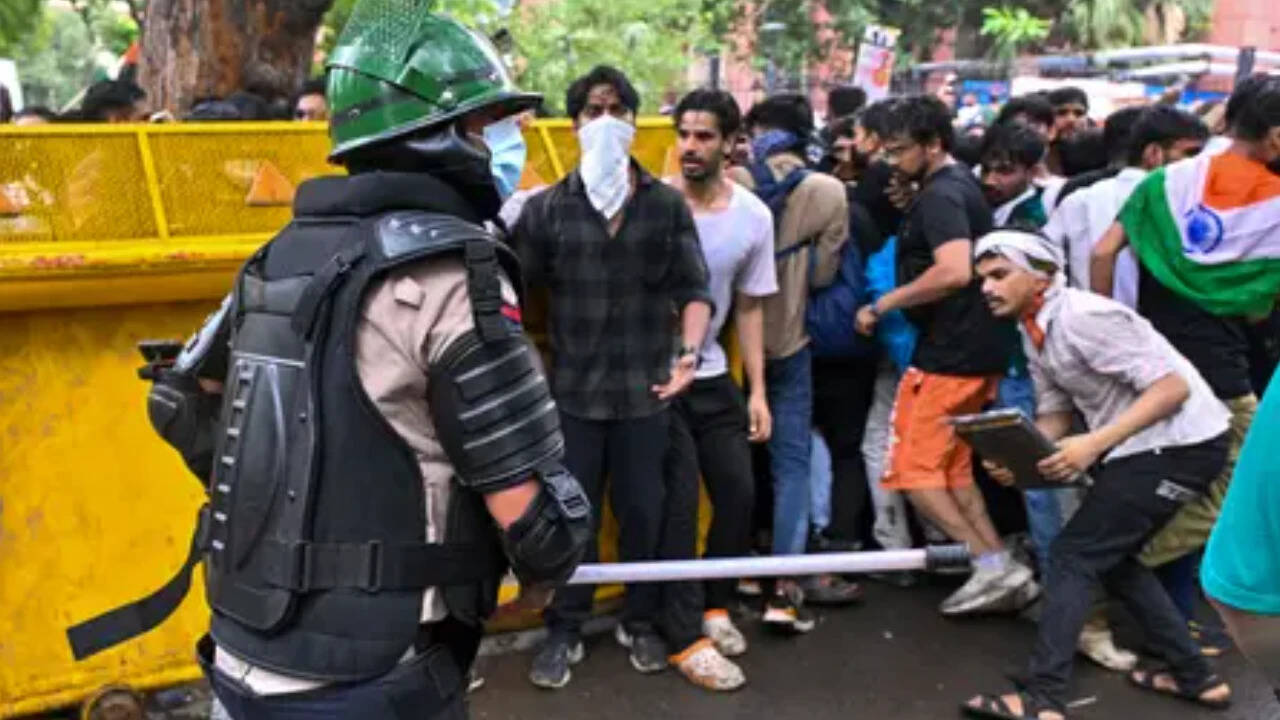
The Union government has constituted a five-member committee to investigate the police action during a protest march organised by the organisation CJP near Jantar Mantar in New Delhi. The panel will be headed by former Supreme Court judge R. Subhash Reddy, an official statement said on Tuesday.
The committee has been tasked with examining the sequence of events that led to the clashes between protesters and police personnel, and to scrutinise the chain of command during the operation. The terms of reference include assessing whether the police response was proportionate and in accordance with established protocols.
Jantar Mantar, a designated protest site in the heart of the capital, saw tensions escalate on the day of the march as demonstrators attempted to proceed towards Parliament. The police resorted to force to disperse the crowd, resulting in injuries on both sides. The incident drew sharp reactions from various political quarters and civil society groups, prompting demands for an impartial inquiry.
The decision to set up the inquiry panel comes amid growing concerns about the handling of protests in the national capital. The committee, which will be assisted by senior security and legal experts, is expected to record statements from police officers, protesters, and eyewitnesses. It has been asked to submit its report to the government within a specified timeframe.
Justice Reddy, who served on the Supreme Court bench before his retirement, has been involved in several high-profile inquiries in the past. His appointment is seen as a move to lend credibility to the investigation, given his judicial experience and independence.
The panel's mandate also includes reviewing the adequacy of the existing guidelines for protest management and suggesting measures to prevent the recurrence of such incidents. The government has stated that the inquiry will be transparent and that all findings will be made public once the report is submitted.
Political observers note that the composition of the panel, with a former apex court judge at the helm, indicates the government's intent to address the controversy through a formal process. However, some activists have called for the inclusion of a civil liberties representative to ensure a broader perspective.
The CJP, which organised the march, has welcomed the inquiry but demanded that the terms of reference be made fully public. The organisation maintained that its protest was peaceful and that the police resorted to unnecessary force.
Meanwhile, the Delhi Police has said it will cooperate fully with the probe. Senior officers have reportedly prepared detailed reports on the action taken on the day, including the deployment of forces and the orders issued at various levels.
The clash at Jantar Mantar is not an isolated incident; similar confrontations have occurred in the past during protests over farm laws, citizenship amendments, and other sensitive issues. The outcome of this inquiry could set a precedent for future accountability in such situations.
As the committee begins its work, the focus will be on establishing facts impartially and ensuring that justice is served to all parties involved. The government has urged the public to refrain from speculation and allow the inquiry to proceed without external interference.







