Ex-Bureaucrat Ashish Joshi Questioned by Delhi Police for Nine Hours
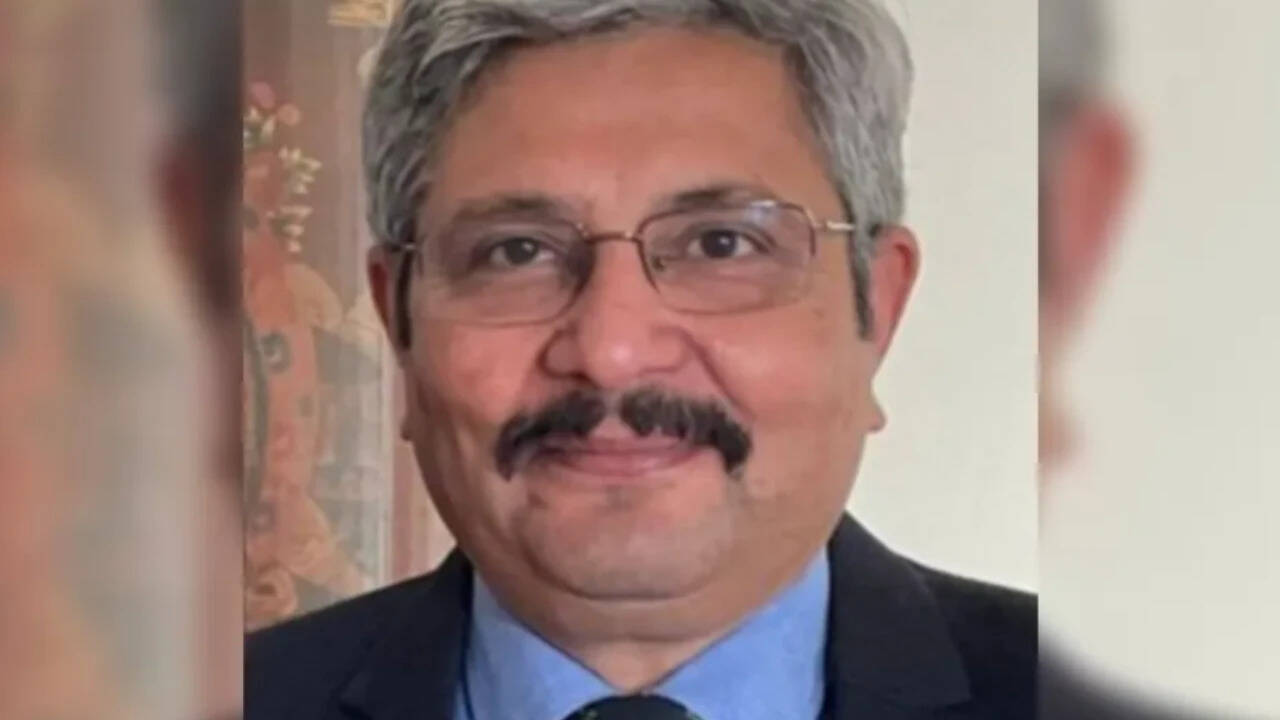
In a significant development that has drawn attention in administrative and political circles, Ashish Joshi, a former bureaucrat, was questioned by the Delhi Police for approximately nine hours. The session took place at the Delhi Police headquarters, though the exact date and the broader nature of the inquiry have not been officially disclosed.
The questioning reportedly began late morning and extended into early evening, with procedural breaks. Joshi was allowed to leave after his statement was recorded. As of now, neither the Delhi Police nor Joshi has issued a public statement explaining the purpose of the prolonged interaction.
Ashish Joshi is a former civil servant who served in various capacities under the Government of India and state governments. His career spanned multiple departments, and he is understood to have held senior positions. However, the specific allegations or circumstances that led to his summons remain unclear.
It is essential to underscore that being questioned by law enforcement does not imply wrongdoing. In many cases, former officials are called upon to provide clarity on policy decisions or events that occurred during their tenure. The legal principle of presumption of innocence remains intact until a court or investigating agency establishes otherwise.
An official from the Delhi Police, speaking on condition of anonymity, confirmed that Joshi cooperated fully and termed the exercise a routine part of an ongoing internal inquiry. He added that more details would be shared when appropriate and cautioned against drawing conclusions prematurely.
Sources close to the investigation indicated that no First Information Report (FIR) has been filed against Joshi, and he has not been named as an accused in any known case. This has led legal observers to suggest that his role may be that of a witness or an individual with relevant information.
Nevertheless, the duration of the questioning has raised eyebrows. Former civil servants have expressed concern that such sessions could create an environment of uncertainty for those who have served in critical roles. Some believe that a clearer procedural framework could help avoid unnecessary anxiety among emeritus officials.
Legal experts point out that police investigations are typically confidential to protect the integrity of the process. A senior advocate with experience in criminal law explained, 'Non-disclosure at this stage does not indicate foul play; it is a procedural safeguard. The law ensures that a person's reputation is not harmed by baseless charges, and all facts are examined thoroughly before any action.'
The development has become a topic of discussion in both official and public spheres. Many are awaiting further clarity on whether Joshi will be called again or if the police will release an official statement. Until then, the public is advised to exercise patience and refrain from speculative narratives.
This case underscores the importance of due process and the rule of law, fundamental tenets of a constitutional democracy. It is crucial that all individuals, including former public servants, are treated with dignity and fairness during legal proceedings.
As this is a developing story, our reporters are monitoring for updates from the Delhi Police and other relevant authorities. We will provide new information as it emerges, ensuring accuracy and balance in our reporting.