Ex-Army Chief Naravane: China to Be India's Main Competitor, Not Enemy
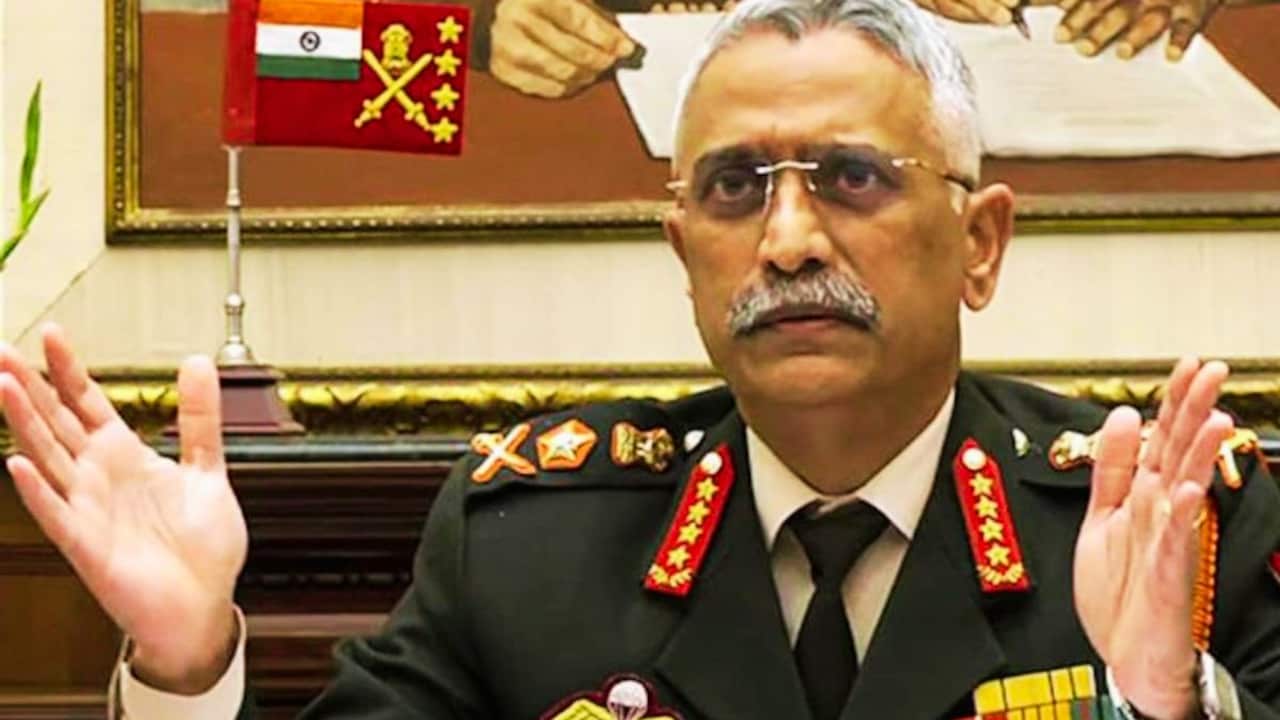
Former Indian Army chief General Manoj Naravane on Thursday said that while Pakistan remains an immediate concern due to cross-border terrorism, China is likely to emerge as India's principal competitor across multiple domains in the long term. Speaking at the launch of his book 'The Curious and the Classified: Unearthing Military Myths and Mysteries' in New Delhi, Naravane deliberately chose the word 'competitor' over 'enemy' while referring to China.
Naravane, who served as the Army chief from December 2019 to April 2022, noted that India has fought wars with both Pakistan and China and shares unsettled borders with them. However, he drew a clear distinction between the two neighbours. "We have fought major wars with Pakistan, and because of their continued support to terrorism, our attention is towards our western borders. But I think we are very clear that in the long term and in the years to come, China is going to be our main competitor," he said.
The former Army chief emphasized that China would compete with India in political, economic, trade, and military arenas. "Wherever there is competition, there is always a little bit of conflict," he added, while strongly advocating for resolving differences through dialogue and diplomatic channels. "Taking recourse to the use of force should always be the last priority," Naravane maintained.
At the same time, he stressed the necessity of maintaining credible military deterrence. "You have to have a strong deterrence to stop anybody from taking recourse to the use of force or any misadventure," he said, adding that the armed forces must remain prepared at all times.
Addressing India's wider neighbourhood, Naravane said New Delhi should work towards ensuring stability in neighbouring countries such as Nepal, Bhutan, Bangladesh, and Myanmar. "You can't choose your neighbours, in real life also, and in geopolitics also. You have to make the best of what you have," he remarked. He pointed out that instability in neighbouring nations could lead to refugee flows, smuggling, drug trafficking, and illegal arms movement, which directly impact India. Citing the refugee influx from Myanmar as an example, he said, "If your neighbouring country is burning, that should not make you happy."
Naravane concluded by underscoring the importance of a stable neighbourhood for India's own peace and development, and reiterated the need for robust deterrence. "If you want peace, prepare for war," he said, quoting the classic adage.







