Estonia Tops Environmental Performance Index 2026; India, Laos Rank Lowest Among 177 Nations
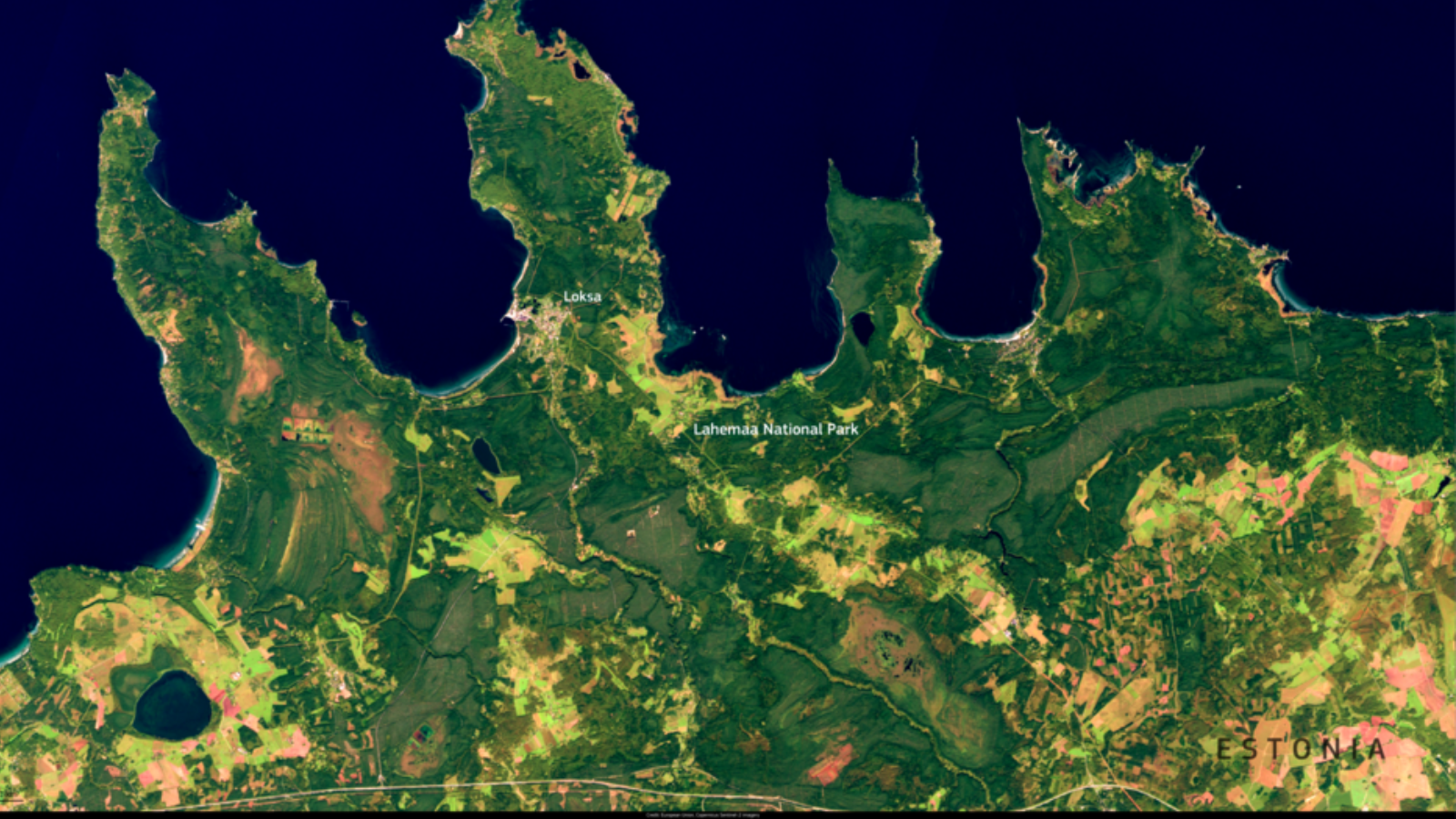
The 2026 Environmental Performance Index (EPI) has ranked Estonia first among 177 countries evaluated on environmental health and ecosystem vitality. India and Laos tied for the lowest rank, highlighting significant sustainability challenges in those nations.
The EPI, developed by Yale University and Columbia University with support from the McCall MacBain Foundation, provides a data-driven assessment of national environmental performance across 47 indicators grouped into 12 categories. These categories cover key issues such as climate change, air and water quality, biodiversity, and sustainable forestry.
Estonia achieved an overall score of 74.79 out of 100, reflecting strong performance in reducing greenhouse gas emissions and protecting ecosystems. The top ten also includes several European nations known for stringent environmental regulations and investments in renewable energy.
At the bottom of the ranking, India and Laos scored poorly due to high levels of air pollution, water contamination, and deforestation. Both countries face rapid industrialisation and population growth, which strain natural resources and environmental management systems.
The EPI serves as a benchmark for policymakers to track progress toward international goals such as the UN Sustainable Development Goals and the Paris Climate Agreement. By identifying strengths and weaknesses, the index helps nations prioritise actions to improve environmental sustainability.
Experts note that while the EPI provides a useful comparative tool, it does not capture all aspects of environmental performance, such as local conservation efforts or policy implementation. Nonetheless, it remains a widely referenced resource for understanding global environmental trends.