El Nino: Banks Review Loan Books, Weigh Relief for Vulnerable Borrowers
Banks whose customers are exposed to the strengthening El Nino weather cycle are reviewing their loan books and assessing potential losses, with debt rescheduling among the options under consideration.
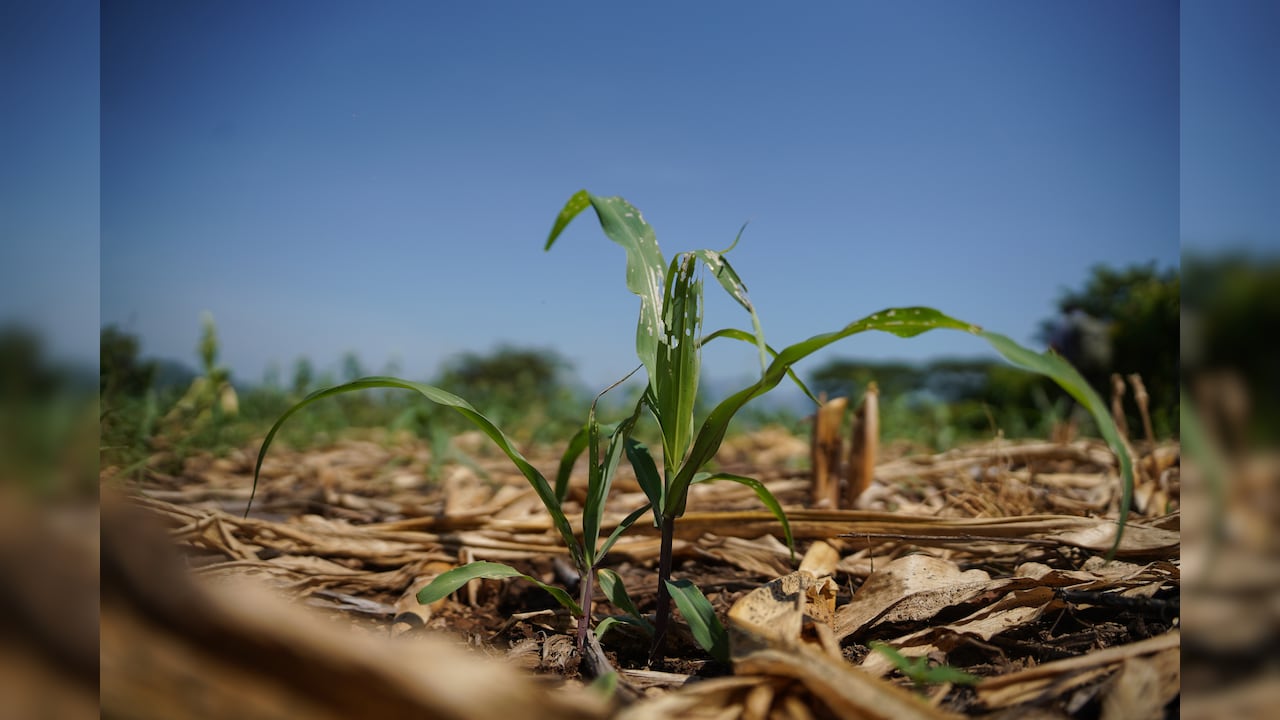
The phenomenon, marked by warming across the equatorial Pacific Ocean, is already contributing to droughts and floods that damage crops. The World Meteorological Organization has said Southern Africa and Southeast Asia face heightened risks, while parts of Latin America are vulnerable to both drought and flooding. Scientists note that the current cycle is unfolding alongside global warming, which lenders say creates a distinct set of threats.
Spain's Banco Bilbao Vizcaya Argentaria SA (BBVA), which has a significant client base across Peru, Argentina and Colombia in addition to its Iberian operations, has asked local risk teams to review loan portfolios. In an analysis shared with Bloomberg, the bank said measures for its most vulnerable customers could include debt rescheduling, and that "the data we are currently generating supports this management process." Once satisfied with its analysis, BBVA said it would share the findings with clients as part of its advisory work.
The reviews follow warnings from money managers that the intensity of the current cycle could leave investors with few places to hide, as the weather disrupts commodity supplies, pushes up inflation and widens trade deficits.
Banks based in the European Union face particular regulatory pressure to report such risks under evolving disclosure requirements in the EU's Pillar 3 rules. Grace Osborne, a sustainable finance analyst at Bloomberg Intelligence, sees a heightened risk that lenders may need to offer "agricultural loan repayment holidays following severe climate events, given the insurance protection gap in European agriculture."
Danske Bank A/S has warned that the implications go beyond direct commodity exposures. Companies headquartered far from El Nino's immediate path may still be at risk through their supply lines, with the Danish lender citing shipping and logistics as sectors in the crosshairs irrespective of where a firm is based.
At JPMorgan Chase & Co. and Citigroup Inc., analysts have published research linking El Nino to risks arising not just from agriculture, commodities and energy, but from the wider economy. Sebastian Werner, head of climate risk scenario design at Citi, cautioned that the widely followed Oceanic Nino Index, which focuses on the central tropical Pacific, does not "capture all aspects" of the cycle, adding to the complexity of risk modelling.
Some banks have already tried to quantify their exposure. Lima-based Credicorp Ltd. estimated in August that about 9% of its loan book is directly exposed to clients at risk from El Nino's fallout. The same month, Banco do Brasil SA Chief Financial Officer Marco Geovanne Tobias da Silva said on a call with analysts that the lender was "very concerned" and "closely monitoring the effects of El Nino."
Intercorp Financial Services, one of Peru's largest financial firms, said it has set up special El Nino loan clauses for customers in fishing and agriculture, with instruments including grace periods and rescheduling.
Standard Chartered Plc, which has substantial client exposures in Africa, the Middle East and Asia alongside its UK operations, is asking bankers to carry out a granular assessment of risks linked to the current cycle. "We are closely monitoring the potential impacts of El Nino," said Karen Wilkinson, the bank's global head of climate, sustainability and reputational risk. "We have undertaken analysis at a portfolio level across our corporate and investment banking business."
For borrowers, none of this yet amounts to a formal relief programme. The assessments suggest banks are preparing for possible stress rather than announcing relief, and any concessions are likely to be decided on a case-by-case basis.
El Nino events occur irregularly, typically every two to seven years, and can last between nine and twelve months, often peaking towards the end of the calendar year. Their economic effects are usually felt first in agriculture and fishing, before spreading through food prices, transport and insurance costs.
What is clear from the disclosures so far is that lenders are treating the weather cycle as a financial risk to be measured and reported, not merely a seasonal concern for farmers.