ED Arrests Advocate At Mumbai Airport In Rs 28,000-Crore 'Digital Arrest' Fraud Case
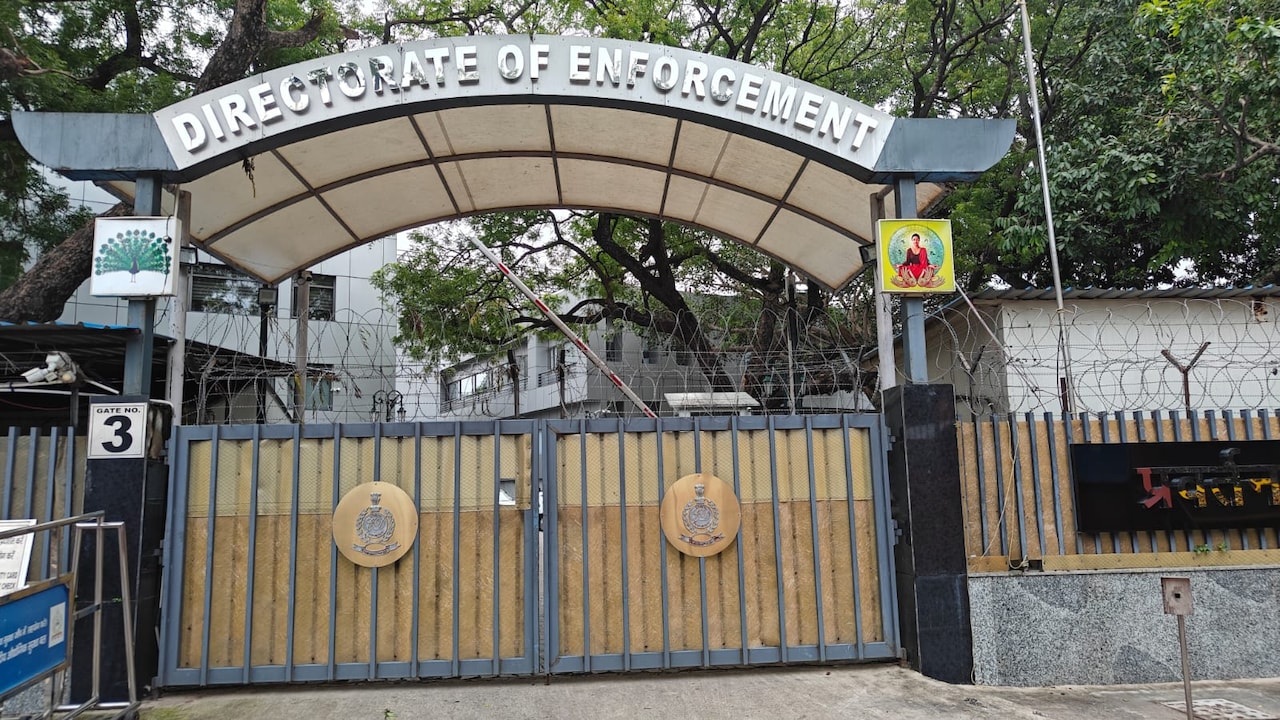
The Enforcement Directorate has arrested an advocate at Chhatrapati Shivaji Maharaj International Airport in Mumbai in connection with a money-laundering investigation into an alleged pan-India cyber fraud and "digital arrest" network involving transactions worth about Rs 28,000 crore. The arrest, made on Saturday, is the seventh in the case.
According to official sources, a team from the ED's Panaji unit intercepted Rashesh Upadhyay, also known as Rashesh Shah, at a boarding gate as he was about to board a flight to Delhi. Officers of Customs and the Central Industrial Security Force assisted the agency in the operation. He was taken to Panaji and produced before a special court constituted under the Prevention of Money Laundering Act (PMLA), which remanded him to ED custody till October 29.
The case traces back to a First Information Report registered by Goa Police on June 9, 2025. A woman in Goa complained that she had been made to transfer Rs 2.60 crore between May 21 and June 2, 2025, into multiple mule accounts after fraudsters placed her under "digital arrest".
Digital arrest is a form of cybercrime in which callers posing as law enforcement officials threaten victims over audio or video calls, virtually holding them hostage, and pressure them into transferring money online. A mule account is a bank account opened or used by someone other than the person controlling the funds, typically to receive and quickly move money obtained through fraud.
In its remand application, the ED described Upadhyay as a "key node" of the network. The agency alleged that when bank accounts linked to the suspected network were frozen following police complaints, he arranged for them to be released by bribing officials of the concerned agencies, with the payments routed through 'Angadiyas' — an informal private banking network of individuals who deal in cash. The ED also alleged that he had enrolled as an advocate but never appeared in court or filed a 'Vakalatnama' (the document authorising a lawyer to represent a client) for any accused person or their companies.
According to the agency, the money cheated from the Goa complainant was moved into about 400 mule accounts held by commodity, travel and foreign exchange companies run through dummy directors. The funds were subsequently withdrawn in cash and converted into foreign currency through money changers licensed by the Reserve Bank of India, it said.
The agency told the court that the network under investigation handled banking transactions of nearly Rs 28,000 crore and deposited about Rs 2,900 crore in cash. Its accounts feature in more than 300 complaints from victims and more than 160 FIRs across 20 states and Union Territories, with reported losses exceeding Rs 400 crore, the ED said.
The agency said it is working to identify the officials who allegedly accepted bribes, the 'Angadiyas' and other intermediaries, and to trace the full proceeds of crime.
The Union government has stated that no legal provision permits "digital arrest" in India. People who receive such calls are advised to report the matter immediately to the national cyber helpline 1930 or on the portal cybercrime.gov.in.
All the allegations in the case are yet to be established in court, and the accused is entitled to the presumption of innocence.