E20 Fuel: Govt Deploys Quick Response Teams to Bust Misinformation
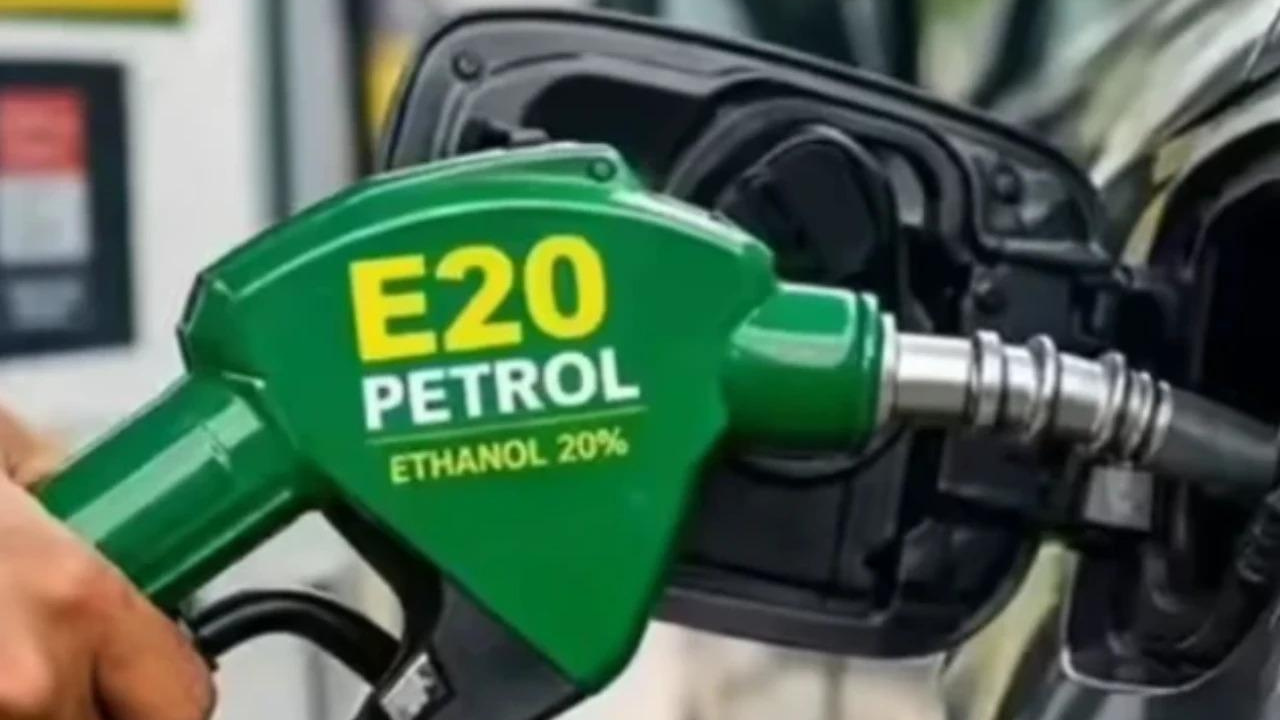
The central government has set up inter-ministerial teams to counter online misinformation about E20 fuel, a blend of 20% ethanol with petrol, according to official sources. The move comes in the wake of recent protests over fuel-related policies, where unverified claims gained traction on social media platforms.
Officials from the Ministry of Information and Broadcasting, Ministry of Road Transport and Highways, Ministry of Heavy Industries, and Ministry of Petroleum and Natural Gas are working together to monitor and flag false content. These 'Quick Response Teams' have been tasked with identifying fake news and disseminating accurate, science-based information about the E20 blending initiative.
The teams are coordinating with multiple stakeholders, including vehicle manufacturers, dealers, vehicle testing agencies, oil marketing companies, and fuel pump operators. This collaborative approach aims to ensure that the rollout of E20 fuel is smooth and that the public receives consistent, reliable information.
Scheduled to be introduced in phases, E20 is part of India's broader strategy to reduce vehicular emissions and cut dependence on imported crude oil. The government has been promoting ethanol blending as a cleaner alternative, with the target of achieving a 20% ethanol-blend in petrol by 2025-26.
While the benefits of ethanol blending are well-documented—such as lower carbon monoxide emissions and reduced oil import bills—concerns have been raised about potential impacts on engine performance, fuel efficiency, and food security. These concerns, if not addressed properly, can lead to misinformation spreading faster than official clarifications.
The recent protests, which drew attention to fuel price-related issues, appear to have convinced the government of the need for a proactive communication strategy. Instead of merely reacting to fake news, the authorities are now focusing on preemptive measures, including rapid response mechanisms and coordinated messaging across all stakeholders.
A senior official, who spoke on condition of anonymity, said, 'We are not only tackling misinformation but also providing the public with research-backed facts. The objective is to create awareness and trust ahead of the wider rollout of E20.'
The inter-ministerial team is expected to hold regular reviews and share real-time information with the public through official channels. Additionally, they will work with social media platforms to flag and take down misleading content that could cause confusion or panic.
Experts point out that the success of such initiatives depends on the consistency of the message. If vehicle manufacturers, fuel retailers, and government agencies all speak from the same page, the chances of misinformation taking root are significantly reduced.
The move has been welcomed by industry bodies, which see it as a step towards transparent communication. However, some have also urged the government to address legitimate technical queries about E20 compatibility with existing vehicles, rather than simply dismissing them as disinformation.
As India moves closer to adopting E20 on a large scale, the battle against fake news will be as crucial as the technical readiness of the fuel supply chain. The government's latest initiative signals that it is prepared to take on both fronts.