DMK Signals Flexibility on Lok Sabha Seat Reallocation Bill, Says Will Protect Southern Interests
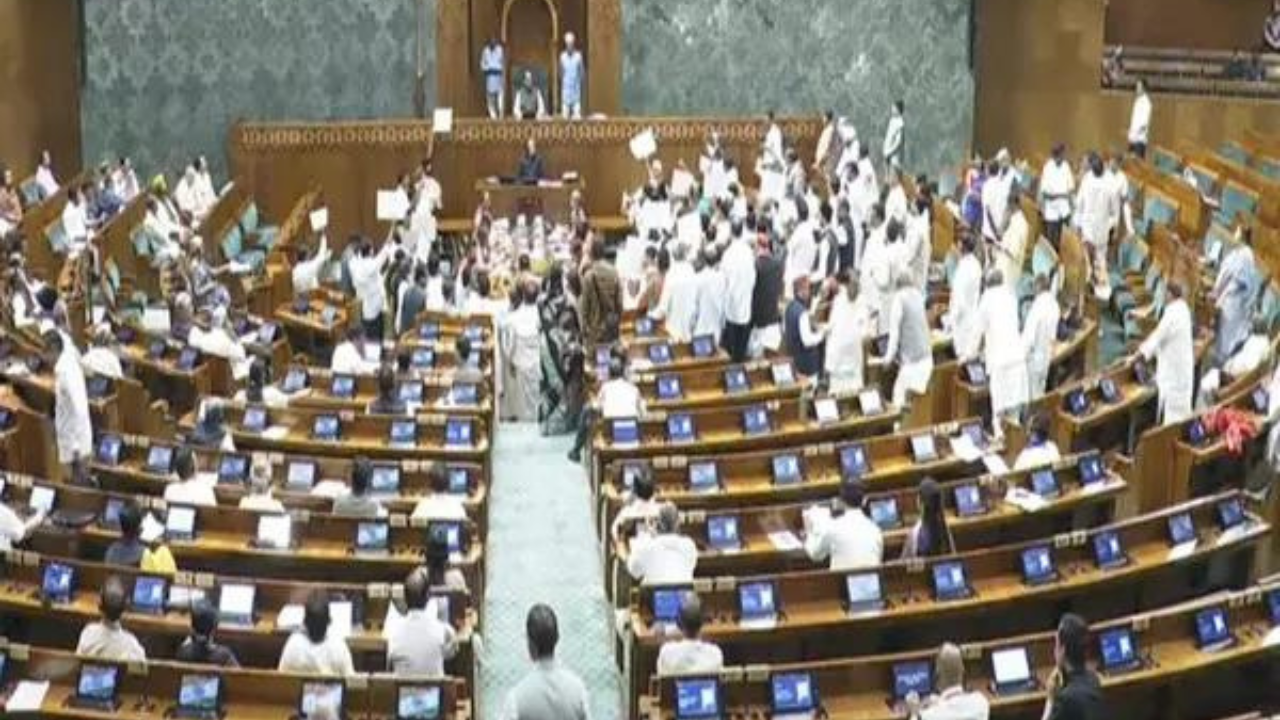
The Dravida Munnetra Kazhagam (DMK) has indicated a willingness to reconsider its stance on the proposed delimitation bill that would reallocate Lok Sabha seats based on population, provided the bill does not harm the interests of southern states. The party, which holds 22 seats in the Lok Sabha, confirmed a report by the Times of India stating it is open to a rethink.
In a statement, a senior DMK leader said the party will wait for the government to present the full text of the bill before taking a final position. “We are not opposing the bill outright. Our concern is that any redrawing of constituencies must not penalise states that have successfully controlled population growth,” the leader said, speaking on condition of anonymity.
The DMK had earlier opposed a similar bill in 2023, which was defeated due to lack of support. The proposed legislation aims to readjust the number of Lok Sabha seats for each state based on the 2031 census, as per the Constitution’s 84th Amendment. Southern states, which have lower population growth rates, fear losing representation if seat reallocation is based solely on population.
The party’s current position marks a shift from its previous hardline stance. Political analysts say this could be a strategic move to negotiate safeguards for Tamil Nadu and other southern states. The DMK is part of the opposition INDIA bloc, but its stance on the bill could create divisions within the alliance.
The government has not yet introduced the bill in Parliament. Prime Minister Narendra Modi’s administration has indicated it will proceed with the delimitation process as mandated by the Constitution. The DMK’s flexibility suggests it may support the bill if amendments are made to protect state interests, such as a weighted formula that accounts for past population control efforts.
Other southern parties, including the Telugu Desam Party (TDP) and the Janata Dal (Secular), have also expressed concerns. The DMK’s decision could influence their positions. The party has called for a meeting of southern chief ministers to discuss a unified approach.
The delimitation bill is a politically sensitive issue, as it directly affects the power balance between states. The DMK’s conditional openness may lead to negotiations with the ruling Bharatiya Janata Party (BJP), which needs support in the Rajya Sabha where it lacks a majority. The DMK’s 22 MPs could be crucial for the bill’s passage.
Observers note that any final agreement will likely include provisions that no state loses its current seat count, and that the reallocation is phased over decades. The DMK has not set a deadline for its decision, saying it will analyse the bill’s details once tabled.


