Denied phone and lawyer, told to call father at 3.30 am: Dipke rebuts Delhi Police clip
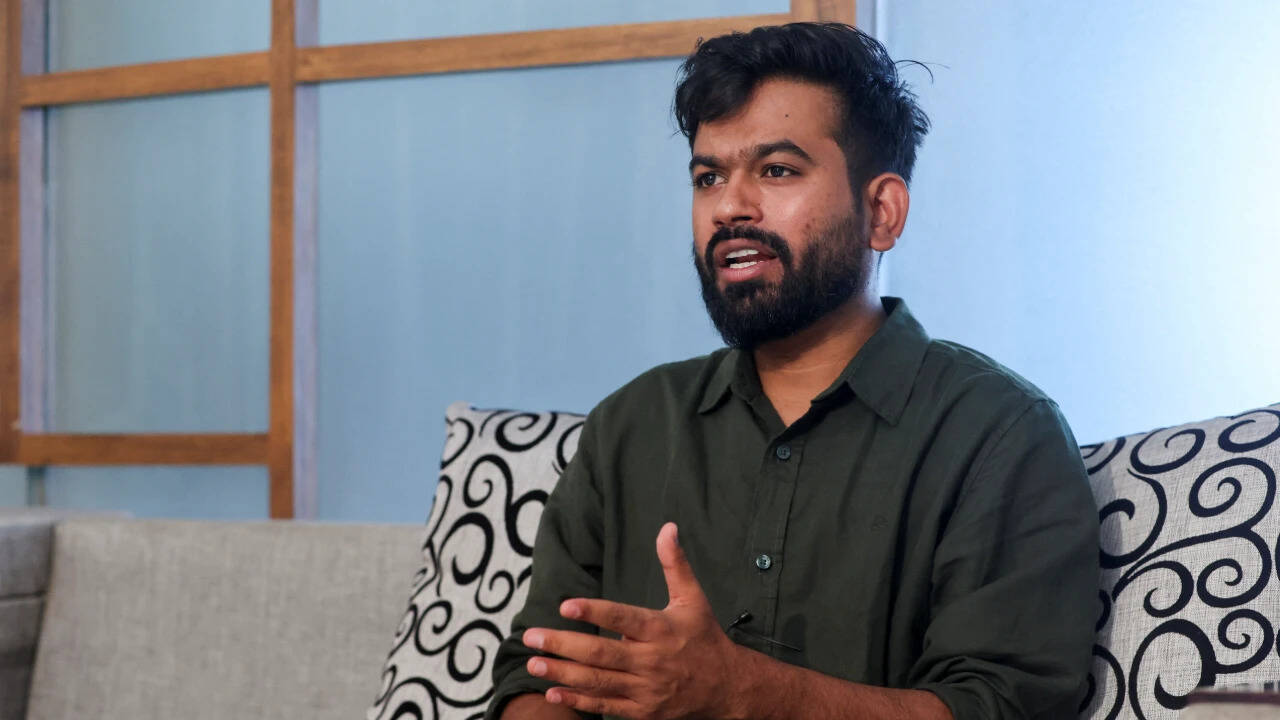
New Delhi: A man named in a video released by Delhi Police has pushed back against the department's account, saying officers refused his repeated requests to access his phone and to speak to a lawyer, and that he was made to telephone his father at 3.30 am to be told he could be jailed for a long time.
In a statement issued in response to the police clip, Dipke said he had asked for his mobile phone so that he could retrieve his cousin's contact number, and separately sought permission to consult a lawyer. He said both requests were denied.
He also questioned the hour and the manner in which he was asked to contact his family. According to his statement, officers directed him to call his father at 3.30 am and inform him that he faced a long prison term. "Cops wanted to torment my parents at 3.30 am," he said.
The statement is the latest in an exchange of competing versions between the police and the individual concerned. The contents of the police clip, and the department's account of the events it describes, have not been independently verified. Delhi Police's response to the specific claims made in Dipke's statement was not available in the material under review.
Where two accounts diverge in this way, both remain claims. Neither a police version nor a statement by a person facing investigation is a finding of fact. That is a matter for a court, or for independent corroboration, and readers should weigh the two accordingly.
What the law says
Indian law places clear limits on how a person in police custody may be treated. Article 22(1) of the Constitution guarantees that anyone arrested must be informed of the grounds of arrest and has the right to consult, and to be defended by, a legal practitioner of their choice. Article 22(2) requires that an arrested person be produced before a magistrate within 24 hours of arrest.
The Supreme Court's guidelines in D.K. Basu v. State of West Bengal (1997) require the police to inform a relative or friend of an arrest, to prepare an arrest memo attested by a witness, to display accurate identification, and to permit a medical examination on request. The Bharatiya Nagarik Suraksha Sanhita, 2023, which replaced the Code of Criminal Procedure, provides for an arrested person's right to meet an advocate of choice during interrogation.
These protections exist because the hours immediately after a person is taken into custody are when the risk of coercion is highest, and because a person who cannot reach a lawyer or a family member cannot easily test whether the process is being followed. Denial of access to counsel, or the use of a late-night call to a parent to pressure a person under questioning, would, if established, run against both constitutional guarantees and statutory procedure.
Families, too, have a stake that the law recognises. Telling a parent in the middle of the night that a child may be jailed for years causes distress that no procedural rule can undo, and distress of that kind is not evidence of anything.
Presumption of innocence
Nothing in the police's presentation of the case, or in Dipke's rebuttal, amounts to a finding of guilt. Every person accused of an offence is presumed innocent until a competent court holds otherwise, and the burden of proving an offence rests on the prosecution.
Several questions remain unanswered on the record available: whether Dipke was formally arrested or held for questioning, whether an arrest memo was prepared and attested, whether a relative was informed of his whereabouts in the manner the law requires, and whether the video clip released by the police was recorded with the required procedural safeguards.
This report will be updated if Delhi Police responds to the specific claims made in the statement.







