Delhi’s Sujan Singh Park: A 70-Year Legal Battle Over Prime Government Land
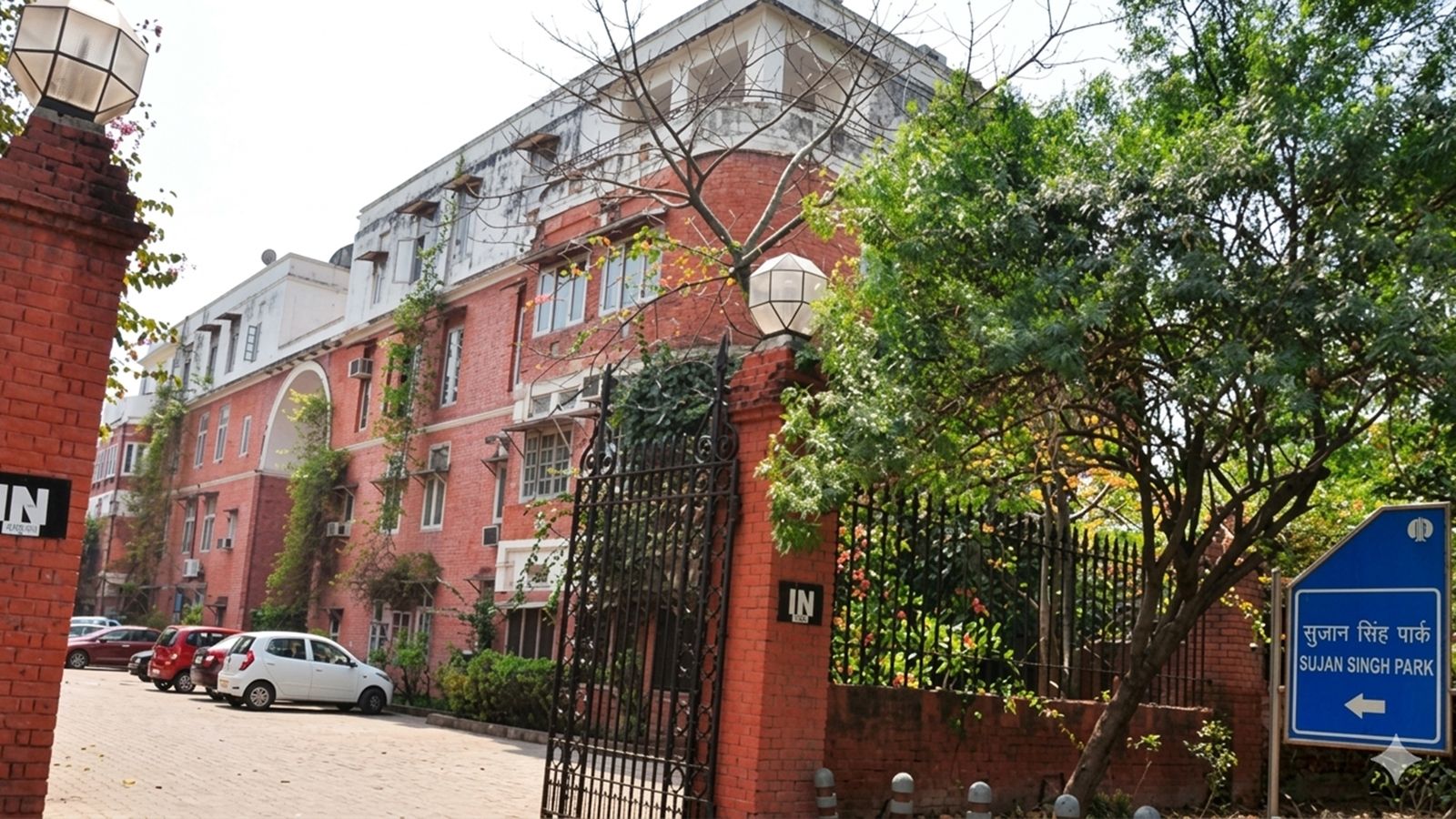
The northern block of Sujan Singh Park, a large residential complex in central Delhi overlooking the upscale Khan Market, has been at the centre of a legal dispute for nearly seven decades. The government has recently revived eviction proceedings against the private builder under the Public Premises (Eviction of Unauthorised Occupants) Act, 1971.
The 7.58-acre plot was originally leased by the British government in 1944 to Sir Sobha Singh and Sons for construction of residential flats. The project was intended to provide housing for “officers and non-officers of good standing.” The complex is named after Sir Sobha Singh’s father, Sujan Singh, and houses the iconic Ambassador Hotel, which is a key point of contention.
According to historical records, the British government proposed the project around 1942-43, inviting a private enterprise to build housing instead of the government undertaking it directly. In December 1944, two adjoining plots—north and south of the junction of what is now Subramania Bharati Marg and Humayun Road—were allotted to Sir Sobha Singh and Sons. The agreement stipulated that the government would grant a perpetual lease upon completion, with the builder covering construction costs.
A clause allowed the Labour Department to use the buildings during the war and one year thereafter, with the government entitled to lease up to 50% of the flats at fair rent after that period. Two nearly identical lease agreements were signed on October 8, 1945, for each plot. They included a condition that no forfeiture or re-entry would be effected unless the government gave written notice specifying the breach and allowing the lessee to remedy it.
From 1945 onward, communications indicate that the hotel block was part of the premises. A 1950 government letter noted that Sardar Sobha Singh requested permission to use bricks and coal for constructing the hotel block and other structures. By the time the war ended and the agreements were executed, the hotel’s construction was nearly complete, except for roofing, flooring, and plastering, which had been delayed due to material shortages.
The government flagged violations in a letter dated January 3, 1956, stating that the buildings on the northern plot were not in accordance with the 1945 agreement because a public hotel was constructed with a profit motive. It also cited misuse of 31 garages in the servants’ block as petty shops, a garage used as a workshop, and the ground floor of a servants’ quarter used as a public laundry and motor service station. The government offered to condone the breaches subject to a fresh agreement and additional charges.
In February 1956, Sir Sobha Singh acknowledged the violations and sought a settlement. However, no final agreement was reached, and the dispute has continued through various legal forums. The government now claims that the lease terms were violated and that the land should revert to public ownership. The current eviction proceedings target the northern block, which includes the Ambassador Hotel and other commercial establishments.
The case highlights the complexities of colonial-era leases and the challenges of enforcing public land use in modern India. The Supreme Court and Delhi High Court have heard multiple petitions over the years, with the latest move by the government signaling a fresh attempt to reclaim the property.