Delhi Records 15.3°C, Its Lowest October Minimum in Three Years
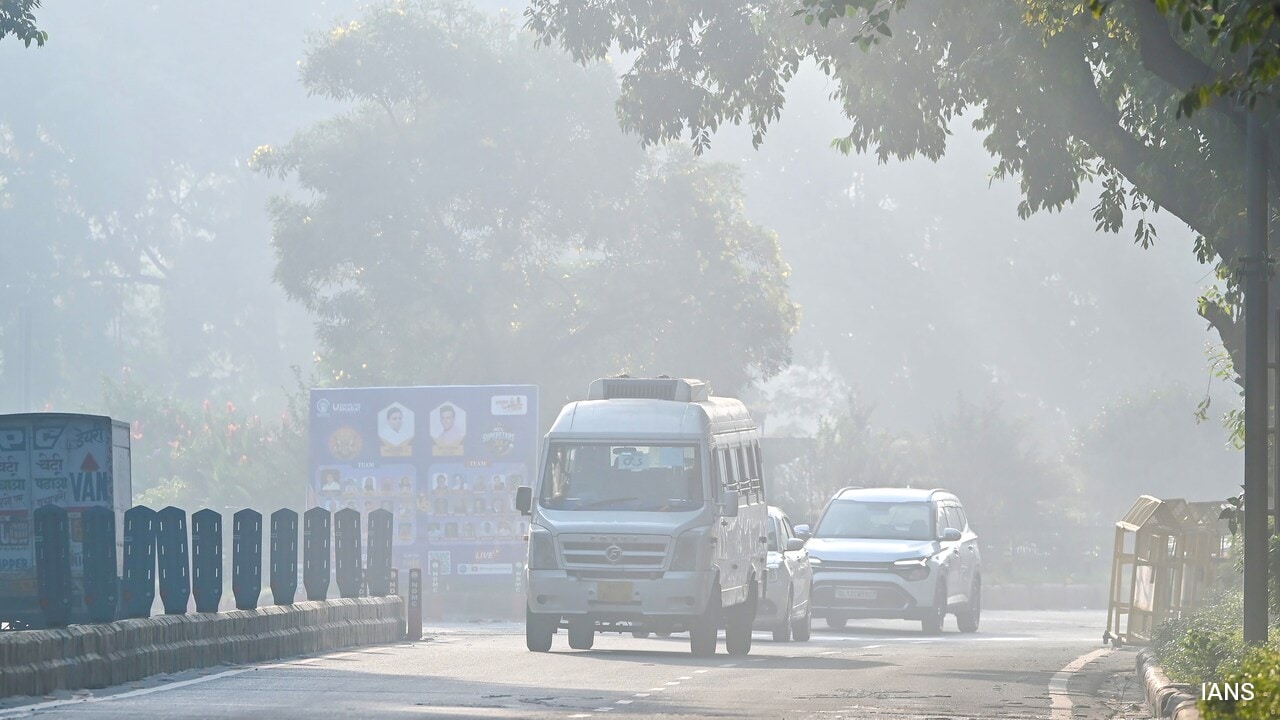
Delhi recorded a minimum temperature of 15.3 degrees Celsius on Tuesday, the lowest October reading in the city in three years, according to India Meteorological Department (IMD) data.
The minimum at the Safdarjung observatory, the city's base weather station, was 1.9 degrees Celsius below normal for this time of the year. Records cited by the weather office show that the last time Delhi recorded a lower October minimum was on October 27, 2023, when the mercury settled at 15.2 degrees Celsius.
Other stations across the city reported similar readings. Palam recorded 15.5 degrees Celsius, 2.3 degrees below normal, while Lodhi Road recorded 15.6 degrees Celsius, 0.4 degrees below normal. The Ridge logged 16.2 degrees Celsius, also 2.3 degrees below normal, and Ayanagar recorded 15.2 degrees Celsius, two degrees below normal.
A "below normal" reading means the temperature has fallen short of the long-term average for that station on that date. Such departures are common in October, a transition month when the southwest monsoon withdraws and nights begin to cool across north India even as daytime temperatures remain warm.
On the air quality front, Delhi's Air Quality Index (AQI) stood at 168, placing it in the "moderate" category, according to the Central Pollution Control Board's Sameer app, which provides real-time readings from monitoring stations across the city.
Under CPCB standards, an AQI between 0 and 50 is considered "good", 51 to 100 "satisfactory", 101 to 200 "moderate", 201 to 300 "poor", 301 to 400 "very poor" and 401 to 500 "severe". The "moderate" band generally means that sensitive groups, including people with respiratory or heart conditions, may experience mild discomfort, while most others are unlikely to be affected.
The IMD has forecast a maximum temperature of about 31 degrees Celsius for the day, with a mainly cloudy sky. The gap between the day and night readings is in keeping with the season, when clear-to-partly-cloudy skies allow heat to escape after sunset and pull night temperatures down.
Cooler mornings and evenings are expected to become more pronounced over the coming weeks as winter approaches, a period when Delhi's air quality also typically comes under closer scrutiny. Authorities routinely monitor the AQI through this window, and residents are advised to check daily readings and follow any health advisories issued by the pollution control board and the weather office.
Minimum temperatures are recorded in the hours before sunrise. Readings can vary between stations within the city because of differences in local land use, green cover and distance from built-up areas, which is why the IMD reports figures from multiple observatories rather than a single location.