Delhi Police Uncover 96 Mule Accounts at Single Bank Branch in Cybercrime Crackdown
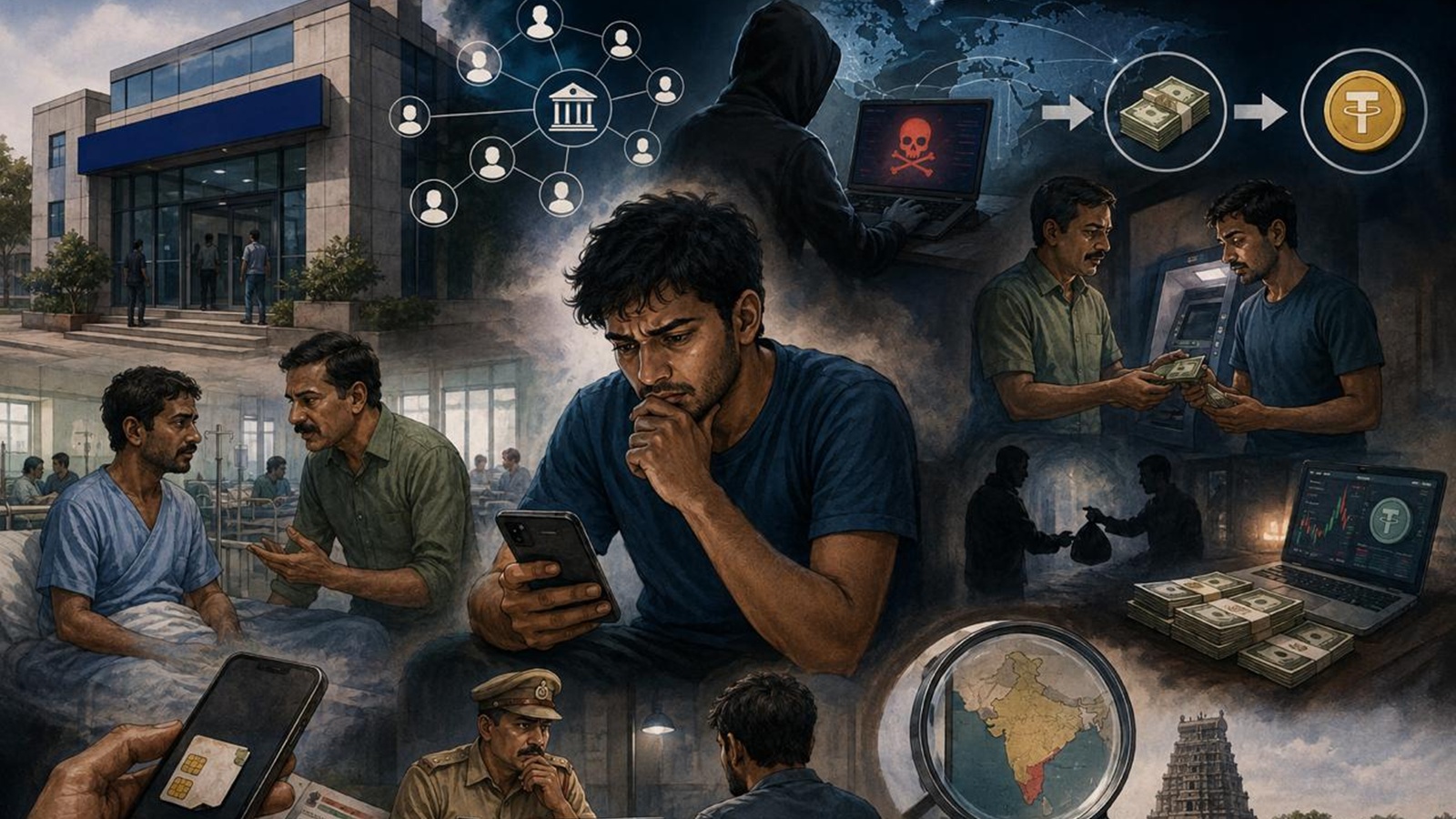
During the Delhi Police's Cyber Hawk operation in April, investigators identified 96 suspected mule accounts linked to a single private bank branch in Northeast Delhi. This is one of the largest concentrations of suspected money-laundering accounts uncovered in the city's crackdown on organised cybercrime.
Every cyber fraud requires a destination for the stolen money. Before reaching overseas operators or cryptocurrency wallets, funds typically pass through several 'mule accounts' belonging to ordinary individuals who have either rented out their accounts for a commission or surrendered control without understanding the consequences.
One of those 96 accounts belonged to a 30-year-old unemployed resident of Northeast Delhi. In March, while visiting his uncle at GTB Hospital, he was approached by a stranger in his 40s who introduced himself as 'Shiva'. Claiming his mother was ill and he urgently needed cash but could not withdraw from his own account, the stranger requested help. The 30-year-old allowed about Rs 30,000 to be transferred into his account. He withdrew Rs 25,000 from a nearby ATM, the maximum limit, handed it over, and added Rs 5,000 from his own pocket.
Two days later, Shiva contacted him again, saying another Rs 24,000 had been transferred 'by mistake'. The man initially refused, but later met Shiva at GTB Hospital and handed over the money. Weeks later, his bank account was frozen and he was detained after police linked him to two cyber fraud complaints from outside Delhi involving Rs 30,000 and Rs 24,000 — the same amounts that had passed through his account.
Police said the man admitted receiving Rs 2,500 as commission for allowing the transactions, though he maintained he did not know the money was linked to cyber fraud. After legal formalities, he was bound down and released. The man lives with his wife and young son, studied up to Class X, and had lost his mobile charger business during the Covid-19 pandemic, later driving a battery rickshaw and surviving on occasional daily-wage work.
Investigators said his experience fits a pattern. Cyber financial fraud operates in two parts: one cheats victims, the other manages and launders stolen money. Facilitators, often unemployed, are recruited via platforms like Telegram, Signal, and Instagram. They provide bank accounts to cyber criminals and help launder proceeds through hawala channels: cash is withdrawn, handed to hawala operators, and ultimately settled via cryptocurrency transactions, particularly using USDT.
To set up mule accounts, facilitators target unemployed youth, daily wage labourers, and financially distressed individuals, persuading them to let their bank accounts be used. Some knowingly rent out accounts for a 2-3% commission, handing over SIM cards and banking credentials. Others are falsely told transactions relate to online gaming or investments. In this case, police said the facilitator 'Shiva' remains at large.







