Delhi orders complete construction ban for 42 days from Dec 10 to combat winter pollution
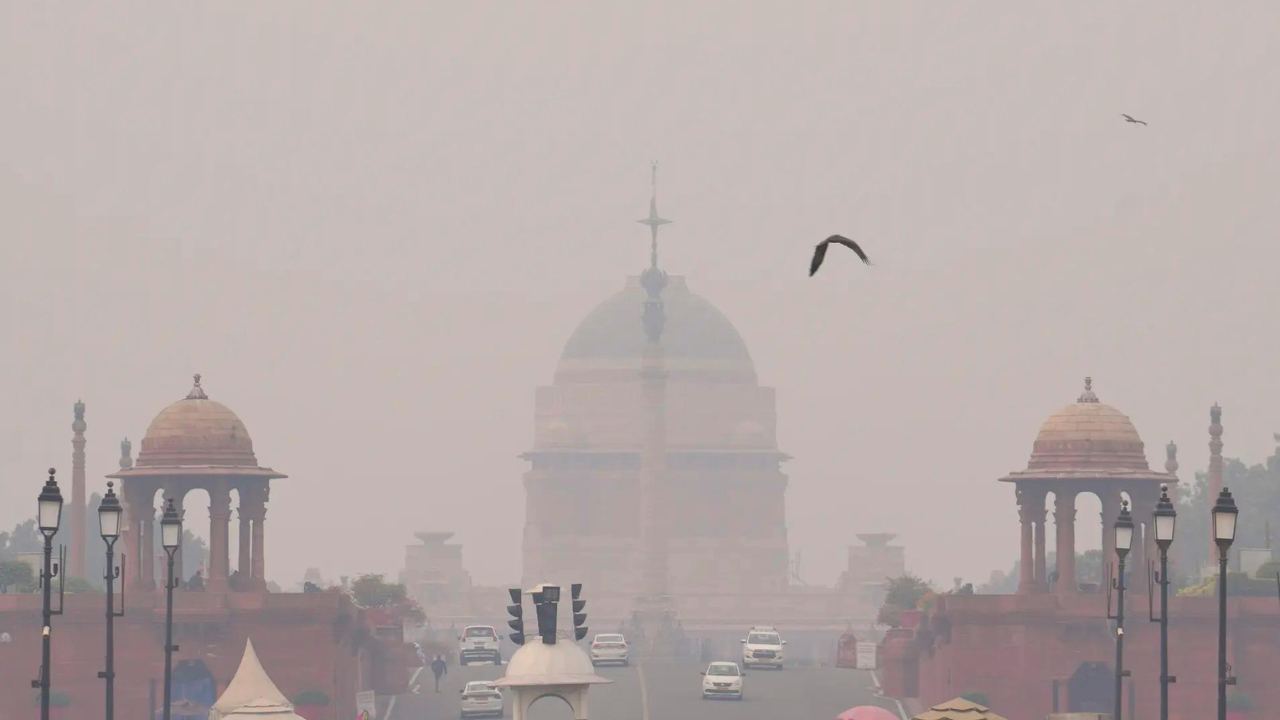
The Delhi government on Friday announced a complete ban on construction and demolition activities in the city from December 10 to January 20, as part of its winter action plan to curb air pollution. Chief Minister Rekha Gupta said the 42-day ban is intended to reduce dust emissions during a period when Delhi's air quality typically deteriorates to severe levels.
Announcing the decision on social media, Gupta asked citizens to report violations. She said all construction sites measuring more than 500 square metres will be monitored through the Delhi government's Dust Portal and AI-enabled cameras. "Construction will be completely banned from December 10 to January 20. If you spot any violation, inform the Municipal Corporation of Delhi, your MLA, or me directly," she posted on X.
The Chief Minister also highlighted that during previous winters, work continued at some sites despite the Graded Response Action Plan (GRAP). "Last time, even under GRAP, some construction continued behind covers," she said. To prevent this, the government has deployed real-time monitoring through the Dust Portal, with alerts being sent to the Control and Command Centre. "Notices, warnings and fines will follow," Gupta added.
The ban comes amid recurring concerns over Delhi's winter pollution, when lower temperatures and calm winds trap particulate matter near the ground. Construction dust is a significant contributor to PM10 and PM2.5 levels. The 42-day period covers the most polluted weeks of the season, when the Air Quality Index often crosses the 400 mark, falling into the 'severe' category.
According to weather officials, dry and cold air helps dust particles remain suspended over the city. The construction ban, along with measures like mechanical road sweeping and anti-smog guns, forms part of the government's strategy to bring down pollutant levels without waiting for GRAP triggers. The ban also gives clear signal to developers and builders that environmental norms cannot be circumvented.
The Graded Response Action Plan, implemented by the Commission for Air Quality Management, prescribes stage-wise measures based on the Air Quality Index. Construction bans are normally invoked at the higher stages when pollution reaches emergency levels. This time, the Delhi government has imposed a blanket prohibition during the entire winter peak, rather than waiting for GRAP thresholds to be triggered.
To strengthen enforcement, the Delhi government launched Dust Portal 2.0 in July. Developed by the Delhi Pollution Control Committee, the portal integrates GIS mapping, live 360-degree pan-tilt-zoom cameras, PM10 and PM2.5 sensors, and AI-based analytics. It monitors construction and demolition sites of 500 square yards or more, generating yellow, orange and red alerts depending on the severity of violations. The system also issues digital compliance certificates and enforcement notices, while providing dashboards for district-wise monitoring, pollution trends and hotspot analysis.
Officials and project proponents can remotely monitor compliance through live camera feeds and sensor data, allowing swift action against defaulters. The government is also relying on public participation to ensure compliance. With the ban in place, the Delhi government aims to demonstrate that tightened monitoring, combined with community reporting, can prevent illegal construction during critically polluted months.







