Delhi High Court to Decide on Legality of Facial Recognition at Protests
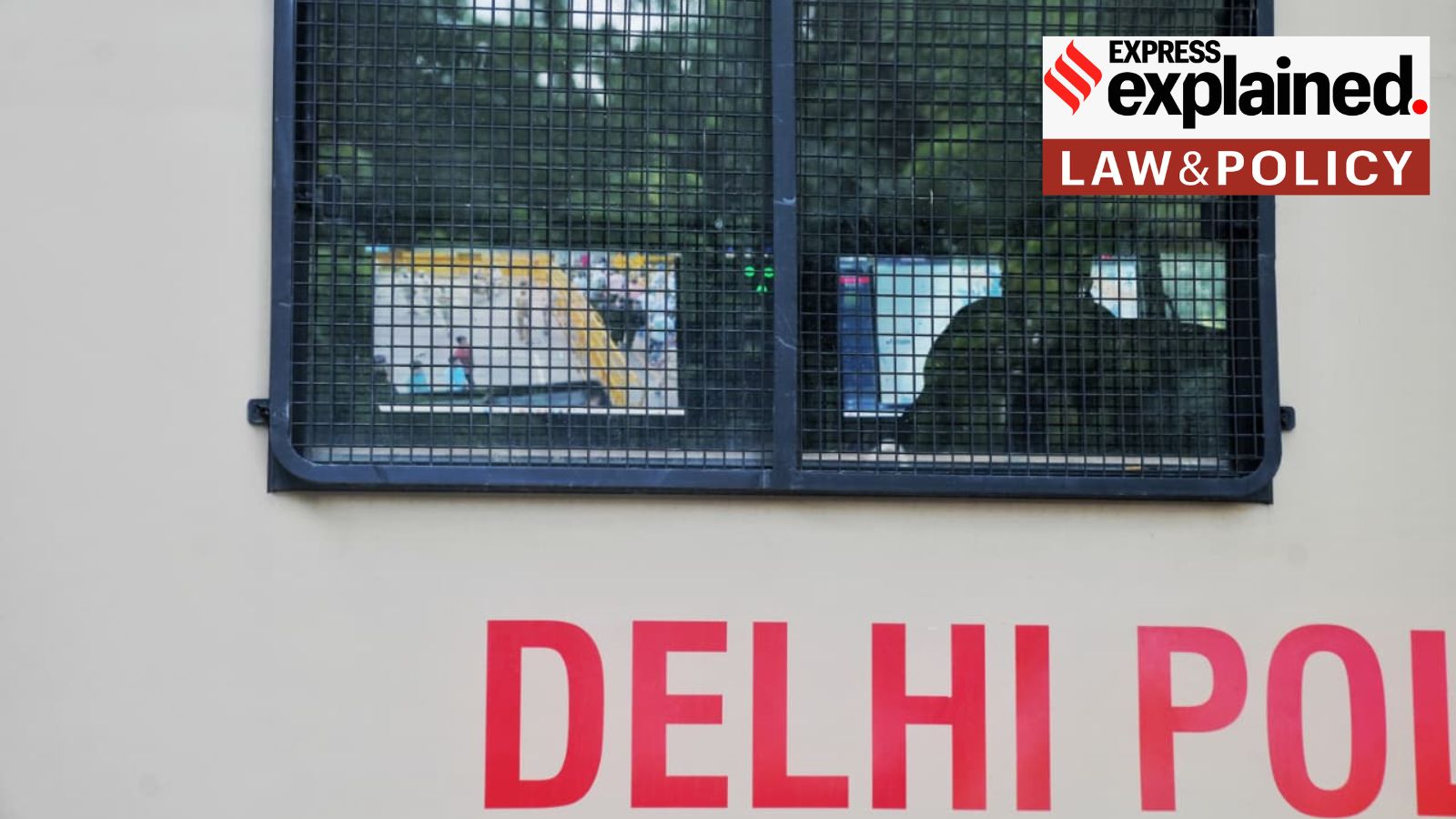
A public interest litigation (PIL) filed in the Delhi High Court has challenged the use of a permanent surveillance tower and high-tech police vans equipped with facial recognition technology monitoring protestors at Jantar Mantar. The petition raises questions about the balance between police surveillance and the fundamental right to privacy in public spaces.
The PIL, filed by former Jawaharlal Nehru University Students' Union president Aishe Ghosh, challenges what it describes as the “continuous, indiscriminate and intrusive surveillance” of peaceful protesters by the Delhi Police. It argues that the police have subjected citizens to round-the-clock monitoring, photography and videography without any “disclosed statutory authority, procedural safeguards, or constitutionally permissible justification.”
According to the petition, this surveillance extends beyond public acts of protest to ordinary daily activities such as eating, resting, and seeking medical assistance. Ghosh alleges that the surveillance apparatus is being used as a tool of intimidation, claiming that police personnel have threatened to forward photographs and videos of participating students to their parents and educational institutions. This, she argues, transforms passive monitoring into an “instrument of coercion and suppression of democratic dissent,” creating a “profound chilling effect” that deters citizens from freely expressing their views.
The petition also highlights a disproportionate impact on women, noting that during periods of heavy rainfall, when adequate shelter was unavailable, women were compelled to remain at the site in drenched clothing. The plea argues that recording women in such “vulnerable physical conditions” without their consent constitutes a “grave intrusion into bodily privacy, dignity, and personal autonomy.”
The case hinges on the intersection of three fundamental rights guaranteed by the Constitution: the right to equality and protection from arbitrariness under Article 14, the right to free speech and peaceful assembly under Article 19, and the right to life and personal liberty, which includes privacy and dignity, under Article 21.
The Supreme Court’s landmark 2017 Puttaswamy judgment recognised the right to privacy as a fundamental right. It established a “triple test” for any state action that infringes on privacy: the action must be backed by a valid law, serve a legitimate state aim, and be proportionate to that aim. The petition argues that the blanket surveillance at Jantar Mantar fails all three prongs of this test.
During the initial hearing on Friday in the High Court, the Union government defended the surveillance, arguing that the videography of protests is a standard, accepted law-and-order measure meant to ensure public safety. It also contended that claiming privacy in a public gathering is a moot point, since protesters and social media influencers frequently record and broadcast videos of the demonstrations themselves.
India currently lacks a dedicated legal framework regulating the use of facial recognition technology and AI surveillance by law enforcement agencies.
Facial recognition systems work by analysing a person’s facial features from a live video feed, converting them into a digital template, and comparing that template against images stored in a police database to find a match. While the Digital Personal Data Protection Act of 2023 provides a framework for handling personal data, it grants wide-ranging exemptions to government agencies.
Because of these broad exemptions, there are no clear statutory guidelines governing how the police collect data at protests, how long they can retain footage, who is authorised to access it, or how it is secured against misuse.