Delhi HC Summons Iyer-Mitra, Media Portals Over Alleged Disclosure of Activist's Address
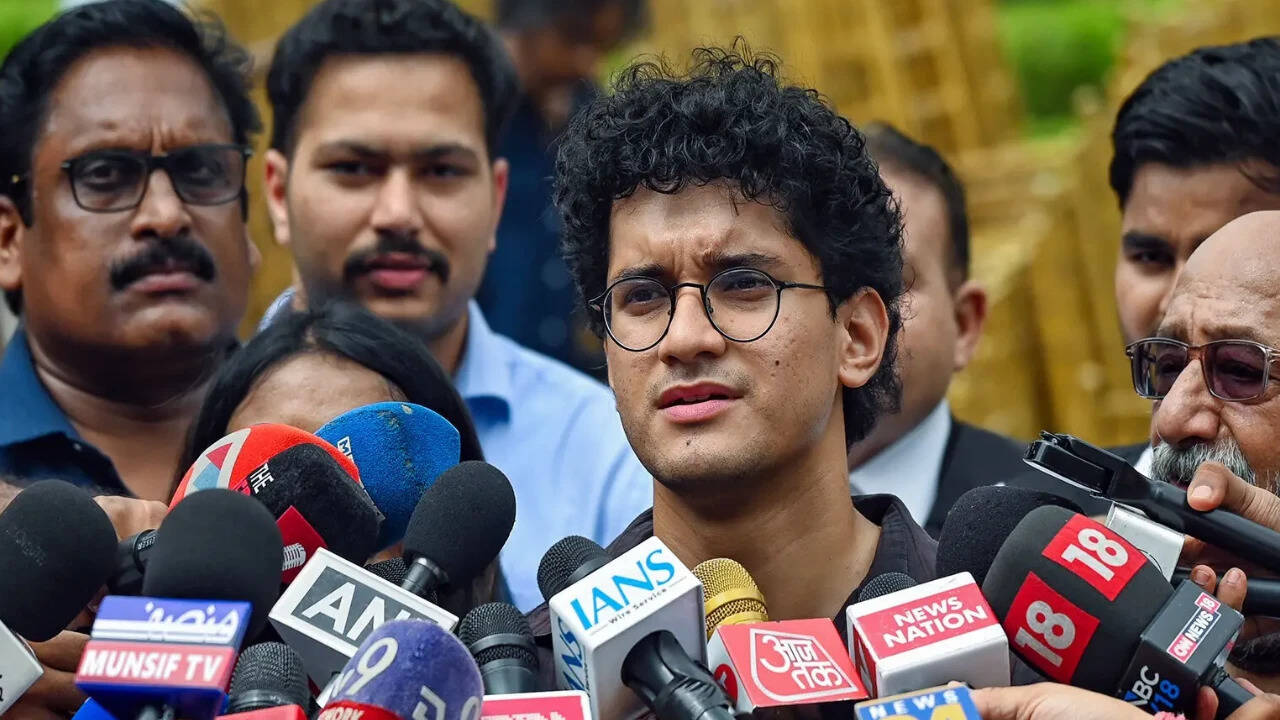
The Delhi High Court has issued summons to commentator Abhijit Iyer-Mitra and several media platforms in response to a plea filed by Saurav Das, leader of the Cockroach Janta Party (CJP). Das alleges that his residential address and other personal details were published online without his consent.
The court's action follows a petition seeking legal action against the dissemination of what Das describes as private information. The summons directs the respondents to appear before the court in connection with the matter.
During the proceedings, X, the microblogging platform formerly known as Twitter, informed the court that the posts allegedly containing Das's address had already been removed and were no longer accessible on the platform.
The case highlights growing concerns about online privacy and the unauthorised sharing of personal information. Legal experts note that while freedom of speech is protected under the Constitution, it does not extend to revealing an individual's private address without legitimate public interest.
Saurav Das, known for his satirical political activism under the banner of the Cockroach Janta Party, has been involved in various legal disputes. The plea argues that the disclosure of his address could pose a threat to his safety and security.
The respondents, including Iyer-Mitra, a defence and strategic affairs commentator, have not yet issued a public response to the summons. Media portals named in the plea are expected to respond in court.
The Delhi High Court is likely to hear the matter in the coming weeks, where the respondents will have an opportunity to present their case. The outcome could set a precedent for how Indian courts handle similar privacy violations in the digital age.
This development comes amid a broader global debate over the responsibility of social media platforms and individuals in protecting personal information. In India, the Right to Privacy was recognised as a fundamental right by the Supreme Court in 2017, and courts have increasingly intervened to safeguard citizens' private data.
As the case unfolds, it will be closely watched by civil liberties activists, digital rights groups, and media organisations. The balance between freedom of expression and the right to privacy remains a contentious issue, and this litigation may provide further judicial clarity.







