Delhi Court Begins Historic Trial in Absentia Against Absconding Gangster
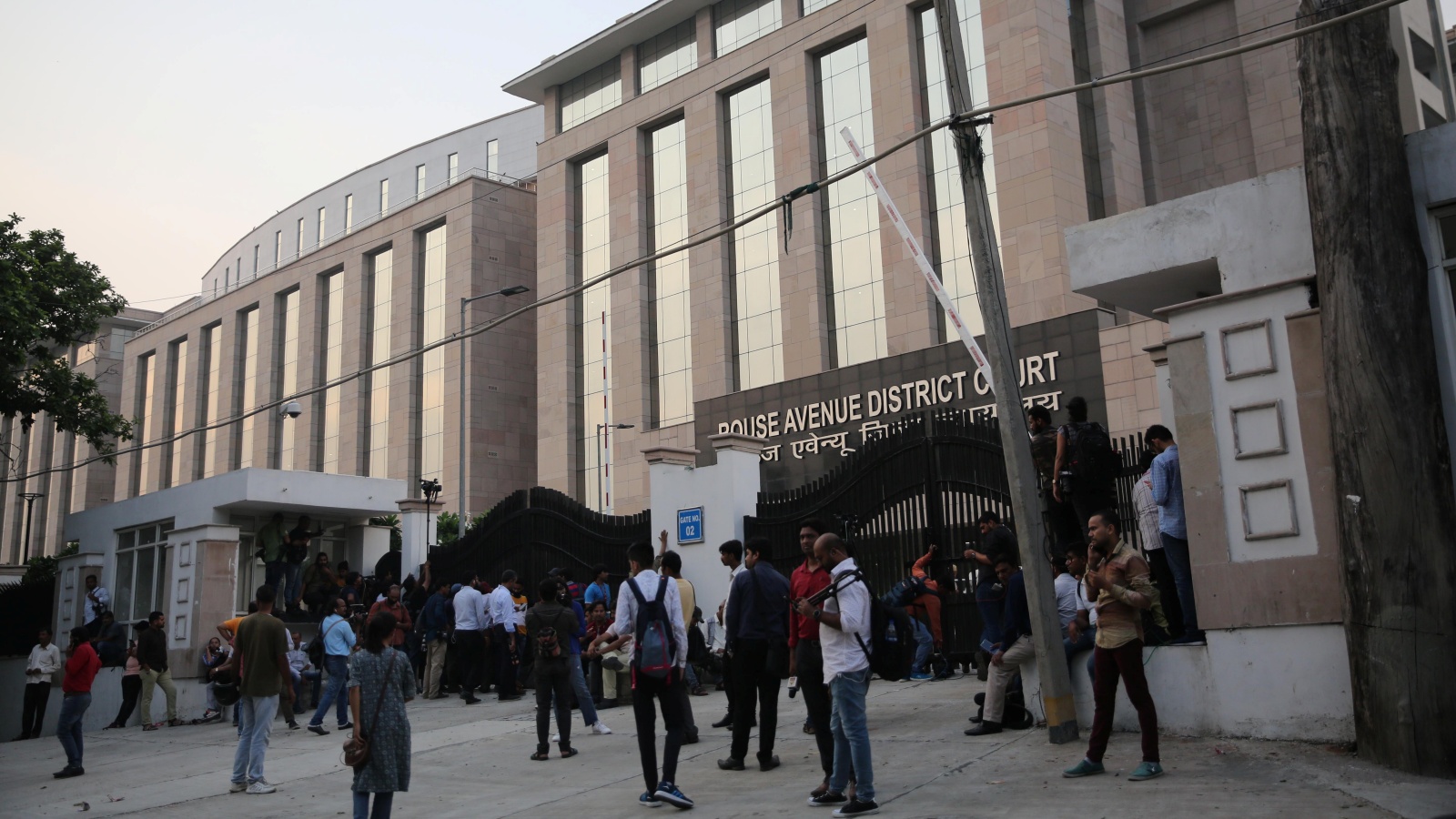
In a landmark legal proceeding, a Delhi court on Thursday began hearing arguments in the trial of Kapil Sangwan, a gangster accused in two cases under the Maharashtra Control of Organised Crime Act (MCOCA), in his absence. Sangwan, who has been declared a proclaimed offender and is believed to be in London, is the first accused to face trial in absentia under the newly enacted Bharatiya Nagarik Suraksha Sanhita (BNSS).
Special Judge Vishal Gogne of Rouse Avenue Court had on July 9 permitted the trial to proceed under Section 356 of the BNSS, which allows for inquiry, trial, or judgment in absentia of a proclaimed offender. The provision marks a significant shift from the earlier Code of Criminal Procedure (CrPC), which only allowed recording of evidence in the absence of the accused but not a full trial.
The case pertains to Sangwan's alleged involvement in running an extortion syndicate. He is also facing over two dozen other cases related to extortion, land grabbing, and murder in Delhi and Haryana. Sangwan was granted interim bail in another MCOCA case in 2019 but failed to surrender and has been absconding since.
Advocate Samridhi Dobhal, associated with the office of the Special Public Prosecutor, explained the significance: 'In simple terms, this means that an accused who deliberately remains absconding and evades the judicial process cannot indefinitely hold up the trial merely by staying away.'
In his July 9 order, Judge Gogne noted that the safeguards under Section 356(2) had been adequately addressed by the State and that there was no impediment to proceeding. The court had directed that submissions on charge be heard on a day-to-day basis from July 27 to August 7, but the judge was on leave on the initial dates. On Wednesday, the judge agreed to commence arguments from Thursday as the Special Public Prosecutor was occupied.
Prior to the order, the Delhi Police Crime Branch had made multiple efforts to secure Sangwan's presence. Two non-bailable warrants (NBWs) were issued in June and July 2026, but could not be executed as his house in Najafgarh was found locked and he had not been seen there for a long time. The Crime Branch also published a notice in a national newspaper and contacted a relative.
Advocate Dobhal highlighted the legal requirements: 'To allow the application of trial in absentia, there is a minimum requirement of two NBWs against an accused and there should be a gap of one month between both NBWs. ... The law provides several safeguards and requires the court to first satisfy itself that all the prescribed steps have been complied with. Once those requirements are fulfilled, the court can proceed with the trial even in the physical absence of the accused.'
This development is seen as a significant step in ensuring that absconding accused cannot frustrate the criminal justice system. The trial is expected to continue with the prosecution presenting its arguments.