Delaying Statehood in J&K Undermines Democratic Accountability
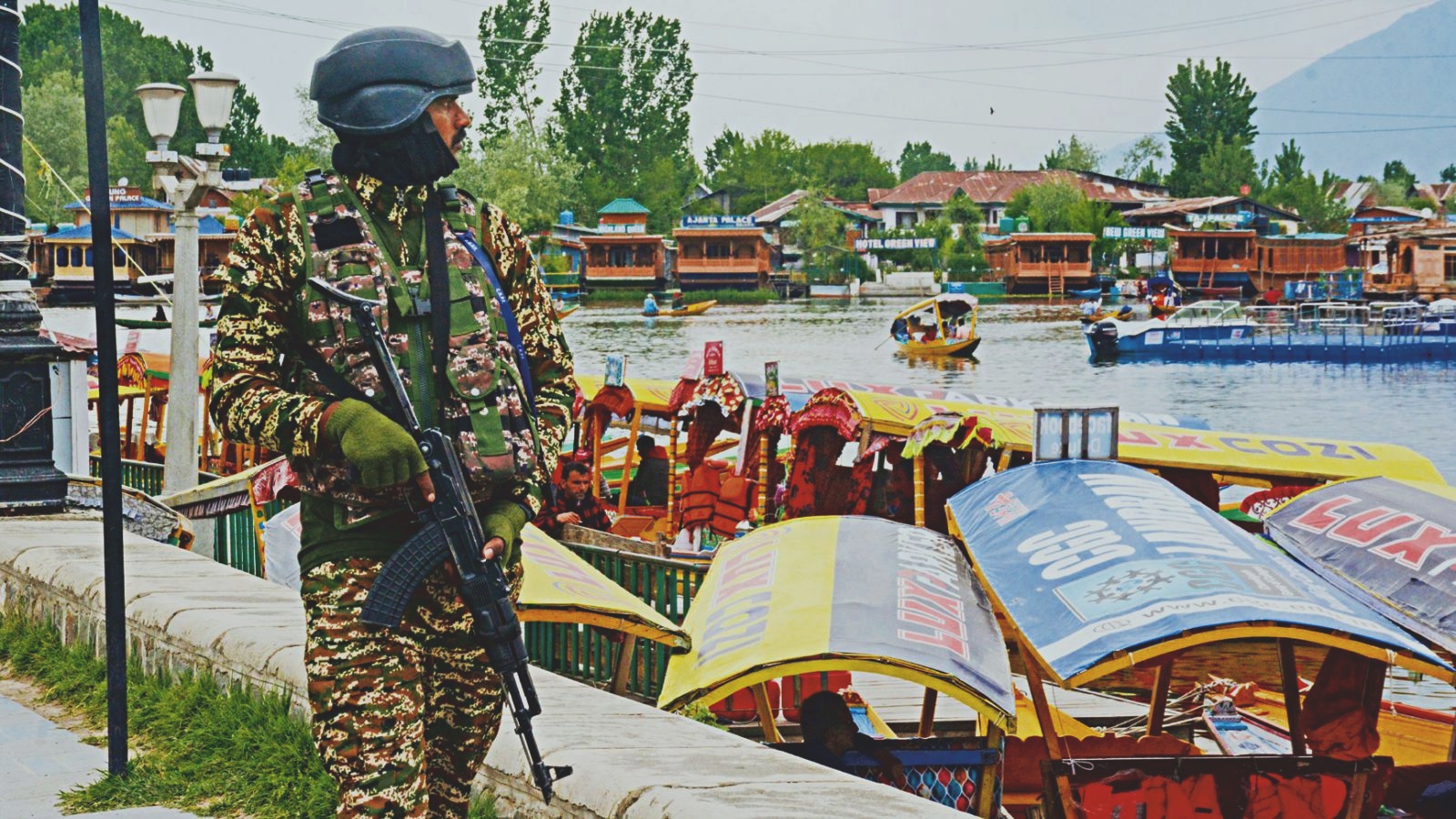
The debate over Jammu and Kashmir's political future has often been reduced to a binary: either restoration of Article 370 or statehood. This framing, however, conflates two distinct issues and obscures the democratic deficit caused by the continued delay in restoring statehood.
Article 370 pertains to the constitutional relationship between Jammu and Kashmir and the Union of India. Statehood, on the other hand, is about the fundamental principle of democratic equality—the right of the people to govern themselves through elected representatives with the same powers as other states. Confusing these two objectives only benefits those comfortable with the current uncertainty and lack of accountability.
In the present political scenario, expecting the BJP-led Centre to reverse its 2019 decision on Article 370 is unrealistic. However, the restoration of statehood is a different matter. The Union government has repeatedly committed to it, with the Prime Minister and the Home Minister affirming this promise in Parliament and before the Supreme Court. The question is not whether statehood should be restored, but why its restoration is being delayed.
The 2024 Assembly elections in Jammu and Kashmir underscored the people's commitment to democratic processes, even after years of direct central rule. Yet, while an elected government has been restored, the state remains a Union Territory with key executive powers outside the control of elected representatives. This setup weakens the link between responsibility and accountability, a cornerstone of Indian democracy. A government that cannot exercise authority over crucial areas cannot be held fully accountable by its citizens.
Constitutional struggles often unfold over time, but that does not mean democratic rights and effective governance should remain suspended indefinitely. Demanding statehood is not an endorsement of the 2019 decisions, nor does it abandon the pursuit of other constitutional guarantees. History shows that democratic movements can achieve incremental gains without surrendering larger aspirations. Securing statehood would create the space to pursue broader constitutional questions.
The demand for statehood is fundamentally about ensuring that elected representatives have the authority to govern and that power remains accountable to the people. The debate over Article 370 must not become an excuse to prolong a democratic deficit that affects daily life in Jammu and Kashmir. Restoring statehood is not the end of the political journey—it is the foundation on which future aspirations can be built.