Danube drought forces Romania to shut nuclear plant, Hungary on watch
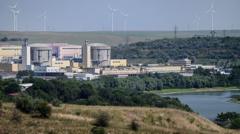
Romania has temporarily shut down its only nuclear power station, the Cernavodă plant, after water levels in the Danube River fell to the lowest in three decades, a consequence of a prolonged heatwave across much of Europe.
The plant's two reactors, which generate about 20 percent of Romania's electricity, were taken offline. The second reactor was disconnected from the national grid just before midday on Thursday; the first had already been shut down in July. Plant director Romeo Urjan told the AFP news agency that a restart is not expected within the next ten days.
The Danube, Europe's second-longest river, flows through ten countries and is vital for transport, irrigation, and power generation. Its water levels have dropped dramatically in several countries, making it impossible for the Cernavodă facility to draw sufficient cooling water. Earlier in the week, authorities tried to increase the flow to the plant by sinking barges loaded with rocks into the river, but the measure did not resolve the problem.
Nuclear power plants require large amounts of water for cooling. When river levels fall too low, the pumps can no longer operate safely, forcing a shutdown. Cernavodă, which uses CANDU reactors originally designed in Canada, has operated since 1996; its second reactor was added in 2007. The only previous shutdown of the plant occurred in 2003, when it was taken offline for maintenance.
The loss of nuclear capacity is a significant challenge for Romania's electricity system. During hot, windy days, solar and wind power can help fill the gap. But in the evenings, when those sources are unavailable, the grid must rely on coal- and gas-fired plants and on electricity imports. Romania also has major hydropower capacity, but this, too, has been cut by the same drought that affected the Danube.
Neighbouring Hungary has so far avoided a similar shutdown at its Soviet-era Paks plant, which has four reactors and also uses the Danube for cooling. Hungarian Prime Minister Péter Magyar warned last month that Paks could be forced to close entirely for the first time if water levels continued to fall. Plant officials said the suction nozzles used for cooling water could no longer reach the river.
The situation is not limited to Romania and Hungary. Many thermal and nuclear power plants across Europe rely on rivers for cooling. The current heatwave, which scientists link to climate change, has caused record-low river levels in several countries, disrupting energy generation, shipping, and agriculture.
The Danube is a major artery for freight transport, carrying grain, fuels, and other goods. Low water levels have forced shipping companies to reduce cargo loads, raising costs. Agricultural producers in Romania and its neighbours also depend on the river for irrigation, and the drought has already damaged crops.
European energy regulators are closely watching the Danube and other major waterways. The shutdown of Cernavodă highlights the increasing vulnerability of critical infrastructure to extreme weather. For Romania, the next two weeks will be crucial, as the plant is not expected to resume operations until the river level rises sufficiently.
Electricity consumers may face higher prices in the short term, as the country turns to more expensive fossil fuels and imports to cover the shortfall. Energy authorities have assured the public that there is no immediate risk of blackouts, but they have urged consumers to use electricity judiciously during peak hours.
The prolonged heatwave, which has seen temperatures above 40 degrees Celsius in parts of Europe, is showing no signs of abating. Forecasters say cooler weather may bring some relief in the coming weeks, but the Danube's water levels will take time to recover.







