Dan Koe: Six Months of Solitude Can Help You Get Ahead in Life
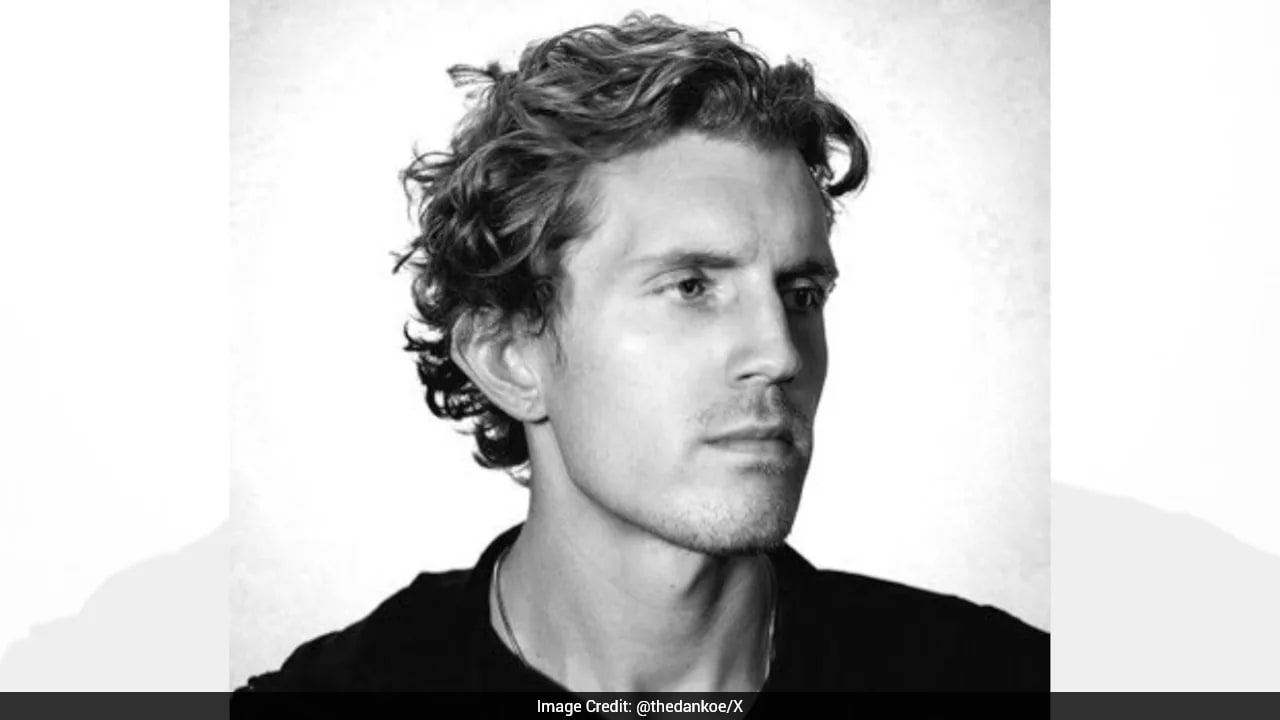
American author Dan Koe recently shared a post on social media suggesting that spending six months alone can help individuals make significant progress in their lives. Koe, who writes about self-improvement and digital economics, advised that those who want to achieve their greatest progress should spend an extended period in isolation.
According to his post, this means staying away from the influence of friends and media while focusing on building the future. He suggested giving oneself six months to focus solely on four areas: the mind, body, spirit, and finances. Koe explained that being alone can give people the space to learn, think, experiment, and fail. He further stated that concentrating on these areas for six months is how a person can get ahead of most people.
Koe's advice emphasises using time alone to work towards the future without outside influences. He believes that by cutting out distractions, individuals can dedicate themselves fully to personal development.
The post drew several reactions online. One user commented, "Isolation works, but most people mistake isolation for clarity when it's really just cutting out noise." Another noted, "Sometimes you need some time alone to reflect." A third user simply said, "This is completely true." The mixed responses reflect a broader debate about the benefits and drawbacks of solitude.
The idea of retreating from society for personal growth is not new. Throughout history, many philosophers, artists, and spiritual leaders have advocated for periods of solitude to foster creativity and self-discovery. In modern times, the concept of a digital detox or a personal sabbatical has gained popularity, with some companies even offering extended leave for employees to pursue personal projects or rest.
However, psychologists caution that extended isolation can have negative effects on mental health for some individuals, leading to loneliness and depression. The key, many experts say, is balance and intentionality. While solitude can provide clarity and space for reflection, it is not a one-size-fits-all solution. Individual circumstances, responsibilities, and mental health considerations vary widely.
Koe's suggestion to focus on the mind, body, spirit, and finances aligns with common areas of personal development. The mind encompasses learning and thinking; the body involves health and fitness; the spirit relates to mindfulness and inner peace; and finances cover career and money management. By dedicating time to these areas, Koe argues, one can achieve holistic growth.
It is important to note that Koe's advice is a personal opinion, not a scientific prescription. As with any advice on personal development, it should be approached critically and adapted to one's own situation. The post has sparked a conversation about the potential benefits and drawbacks of solitude, highlighting a continued interest in strategies for personal advancement.
In a world filled with constant connectivity and distractions, the idea of stepping back to focus on oneself may resonate with many. Whether six months of isolation is the answer depends on the individual. What works for one person may not work for another, and consulting with mental health professionals can be beneficial before making drastic changes.







