Daily rooftop solar installations under PM Surya Ghar triple in 9 months, says minister

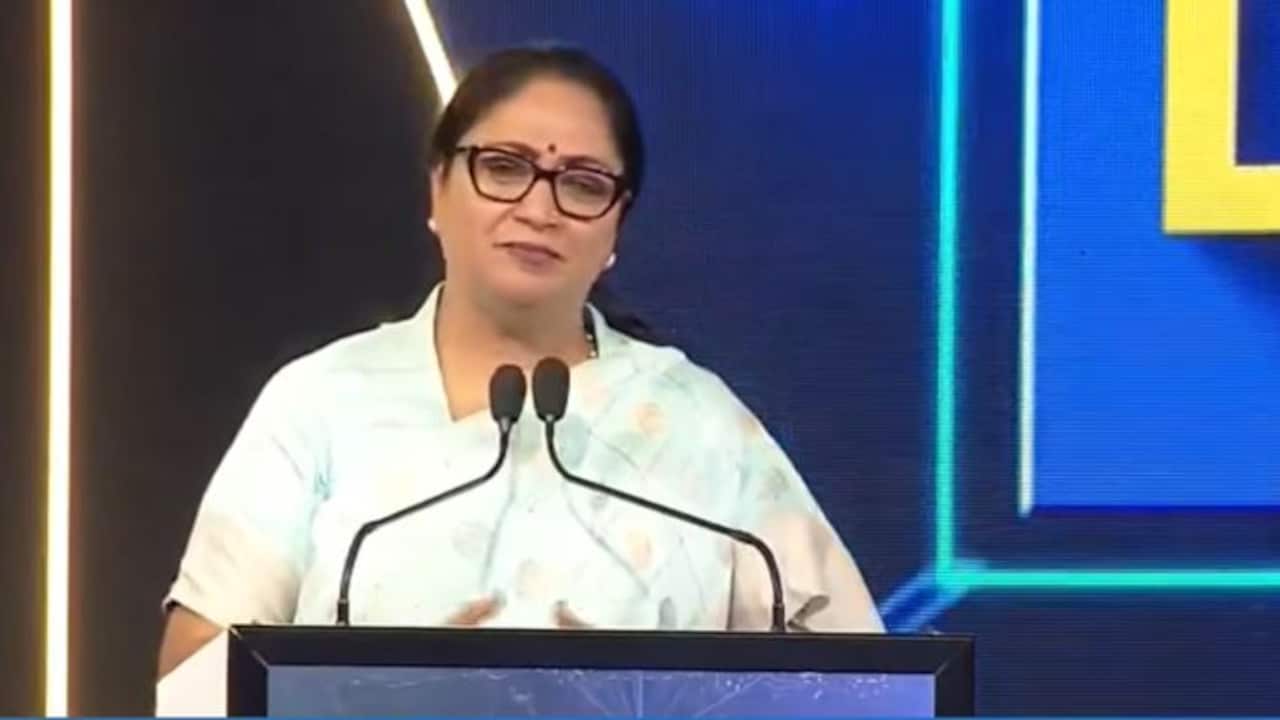
At the seventh CII International Energy Conference held on Thursday, Union Minister for New and Renewable Energy Pralhad Joshi said daily rooftop solar installations under the PM Surya Ghar scheme have more than tripled in the last nine months. According to the Minister, installations have risen from 5,000 per day in October 2025 to over 16,328 per day in July 2026. This marks a 3.2-fold increase, reflecting growing participation in the government’s flagship solar initiative.
The PM Surya Ghar: Muft Bijli Yojana is designed to provide free electricity to households by facilitating the installation of rooftop solar panels. The scheme currently covers more than 50 lakh beneficiaries, with around one lakh new households being added every six days, Mr. Joshi said. He also noted that about 19 lakh households are currently receiving electricity bills amounting to zero, effectively making their monthly power consumption free of cost.
In addition to saving on electricity bills, participating households can sell surplus power generated by their solar systems back to the grid. Mr. Joshi stated that more than 12 lakh households have cumulatively earned ₹421 crore from selling excess electricity during the financial year 2024-25. This translates to an average additional income of approximately ₹3,500 per household per year, providing a supplementary source of earnings for families.
Beyond the rooftop solar programme, the Minister highlighted India’s progress in expanding its non-fossil energy capacity. He said the country has added more than 300 gigawatts (GW) of non-fossil capacity over the past decade and is on track to exceed 500 GW by 2030. This includes contributions from solar, wind, hydro, and nuclear power, and is a key part of India’s commitments under the Paris Agreement to reduce carbon emissions.
The PM Surya Ghar scheme was launched in February 2024 with the aim of providing up to 300 units of free electricity per month to households that install rooftop solar systems. To make the installation affordable, the government offers subsidies that reduce the upfront cost of solar panels and related equipment. The scheme is scheduled to close on March 31, 2027, after which it is expected to have covered a significant portion of Indian households.
Officials have described rooftop solar as a key component of India’s energy transition, as it allows decentralised power generation and reduces dependence on coal-based electricity. It also helps mitigate the impact of power cuts in rural areas and lowers the financial burden on households, particularly during the summer months when electricity demand is high. The increase in installations signals growing public acceptance of solar energy as a practical and beneficial option.
The remarks were made at the annual conference organised by the Confederation of Indian Industry (CII), which brings together policymakers, industry leaders, and experts to discuss energy challenges and opportunities. The Minister’s update underscores the government’s focus on accelerating renewable energy deployment in the country.