‘Courts Cannot Be Mere Spectators’: CJI Surya Kant on Judicial Role in Democracy
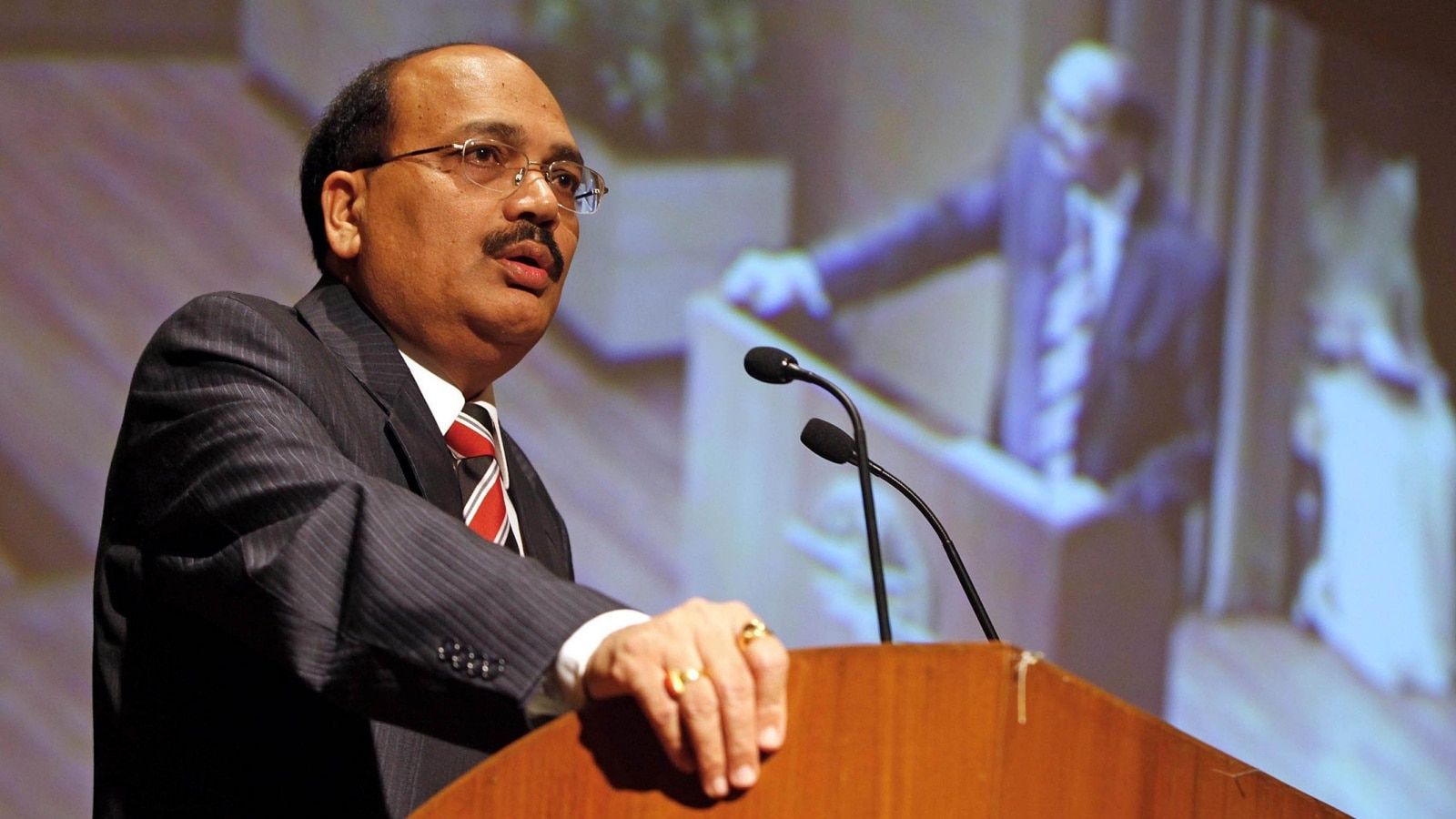
Chief Justice of India (CJI) Surya Kant stated on Monday that courts cannot remain passive in a constitutional democracy. Addressing an event organised by the International Institute for Democracy and Electoral Assistance in Sweden, he emphasised that the judiciary must act as a vigilant guardian of constitutional supremacy, ensuring that all public power is exercised within legal bounds.
Speaking on the topic ‘Safeguarding the Rule of Law — Experiences from India and Sweden’, the CJI explained that the rule of law disciplines the exercise of power. It ensures that public authority acts through known, stable, and general rules, that citizens are treated equally before the law, and that no one is vulnerable to arbitrary government.
He underlined that the endurance of a constitutional democracy depends on the Executive and Legislature adhering to constitutional norms. The greatest safeguard for this, he said, lies in an independent judiciary.
The CJI noted that the Indian Constitution provides a wide scope for the rule of law and entrusts its enforcement to various constitutional organs. While declaring the judiciary as the final arbiter with the power of judicial review, the Constitution also casts responsibility on other institutions to safeguard federalism, democracy, separation of powers, and harmonious functioning of public institutions.
He highlighted how Indian constitutional courts have, during crises and human suffering, crafted doctrines to restrain public power and broaden access to justice. He described judicial review not as a power but as a duty and responsibility entrusted by the Constitution, making the rule of law a lived reality for every citizen.
Citing the Mahabharata story of King Prahlada, the CJI remarked that justice endures only when the judge remains insulated from pressure and influence, faithful to law and conscience alone. He asserted that judicial review is a cornerstone of India’s constitutional democracy, affirming that legality and constitutionality are fundamental to governmental authority.
The drafters of the Constitution, he said, not only enshrined judicial review but also established an independent judiciary free from executive control. This philosophy led the Supreme Court to adopt the collegium system for appointing judges to the High Courts and the Supreme Court.
The CJI concluded that this commitment to independence allows the Indian judiciary to do more than resolve disputes—it shapes the democratic imagination of a vast and varied society. However, he cautioned that the rule of law is preserved only when the judiciary honours its own institutional boundaries while holding other branches to theirs.







