Consumer gets Rs 25,000 refund from solar dealer for excess charges, underperformance
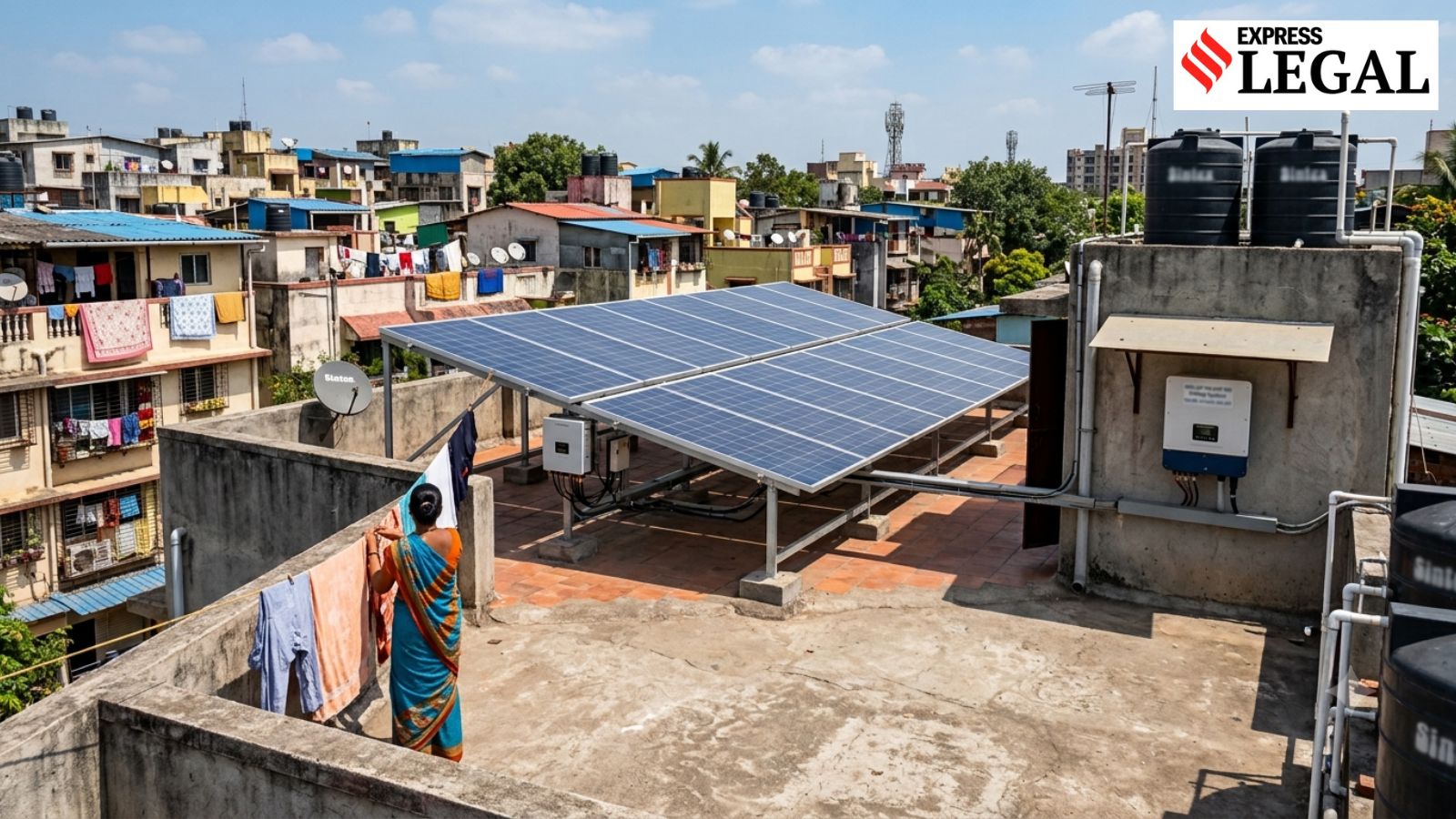
A consumer who installed a rooftop solar system under the PM Surya Ghar Yojana to reduce his electricity bills ended up paying more than expected after the system underperformed and he was overcharged for net-meter installation. The District Consumer Disputes Redressal Commission in Vizianagaram, Andhra Pradesh, has ordered the dealer to pay Rs 25,265 along with interest, ruling that the company was guilty of deficiency in service and unfair trade practice.
Presiding Officer R Venkata Nagasundar and members B Sridevi and Ashok Kumar Sharma of the commission heard the complaint filed by Ijjada Vivekananda against Amplus KN One Power Private Limited (authorised dealer, Kumar Associates) regarding the installation and performance of a 3.24 kWp rooftop solar system.
In its order dated June 11, the commission stated: “The act on the part of the Opposite Party in collecting excess amount towards net metering charges and not generating power units as per the specifications of the brochure certainly causes mental agony to the Complainant.” It held that the company was bound by its assurances and that its conduct amounted to both a deficiency in service and an unfair trade practice under the Consumer Protection Act, 2019.
The dispute began when Vivekananda applied through the APEPDCL portal on November 29, 2023, for installation of a 3.24 kWp rooftop solar system under the central government’s PM Surya Ghar scheme, paying a registration fee of Rs 1,180. He signed an agreement with the dealer on December 27, 2023, paid an advance of Rs 10,000, and later obtained a loan of Rs 1,72,794 from K M Global Credit Private Limited, which was directly transferred to the dealer. He also made additional payments of Rs 32,561, Rs 637, and Rs 13,500 towards net-meter charges as instructed by the company’s representative.
The complainant alleged that the dealer assured him the system would generate an average of 376.59 kWh per month, leading to significant savings on his electricity bills. However, after installation on March 23, 2024, the system failed to achieve the promised generation. Between March and October 2024, Vivekananda claimed he suffered financial losses due to poor power generation while continuing to repay monthly EMIs on the loan. He also alleged that invoices, receipts, and warranty documents were not provided despite repeated requests.
The company denied all allegations, arguing that it had never guaranteed fixed monthly power generation. According to the dealer, the figure of 376.59 kWh was merely an estimate because solar generation depends on external factors such as weather, sunlight, shading, dust accumulation, grid availability, and the consumer’s own electricity usage. It also argued that the complainant’s loan arrangement was independent of the company, that invoice delays occurred due to GST portal procedures, and that net-meter charges were determined by electricity authorities rather than the dealer.
After examining the evidence, the commission found that the complainant had paid Rs 13,500 towards net-meter charges on the instructions of the company’s representative. However, the official receipt showed that the actual charge for the net meter was only Rs 2,771, meaning Rs 10,729 had been collected in excess. The commission rejected the company’s argument that it was not responsible for net-meter charges, noting that the company had directed the payment.
The commission ordered the dealer to refund the excess amount of Rs 10,729 along with compensation of Rs 10,000 for deficiency in service and Rs 4,536 towards litigation costs, totalling Rs 25,265. The dealer was also directed to pay interest at 9 per cent per annum from the date of filing the complaint until the date of payment. The order underscores the applicability of the Consumer Protection Act, 2019, to such disputes and serves as a reminder to solar installation companies to honour their commitments.







