Congress Jabs Centre Over Inflation: 'Sab Changa Si' vs 'Sab Mehanga Si'
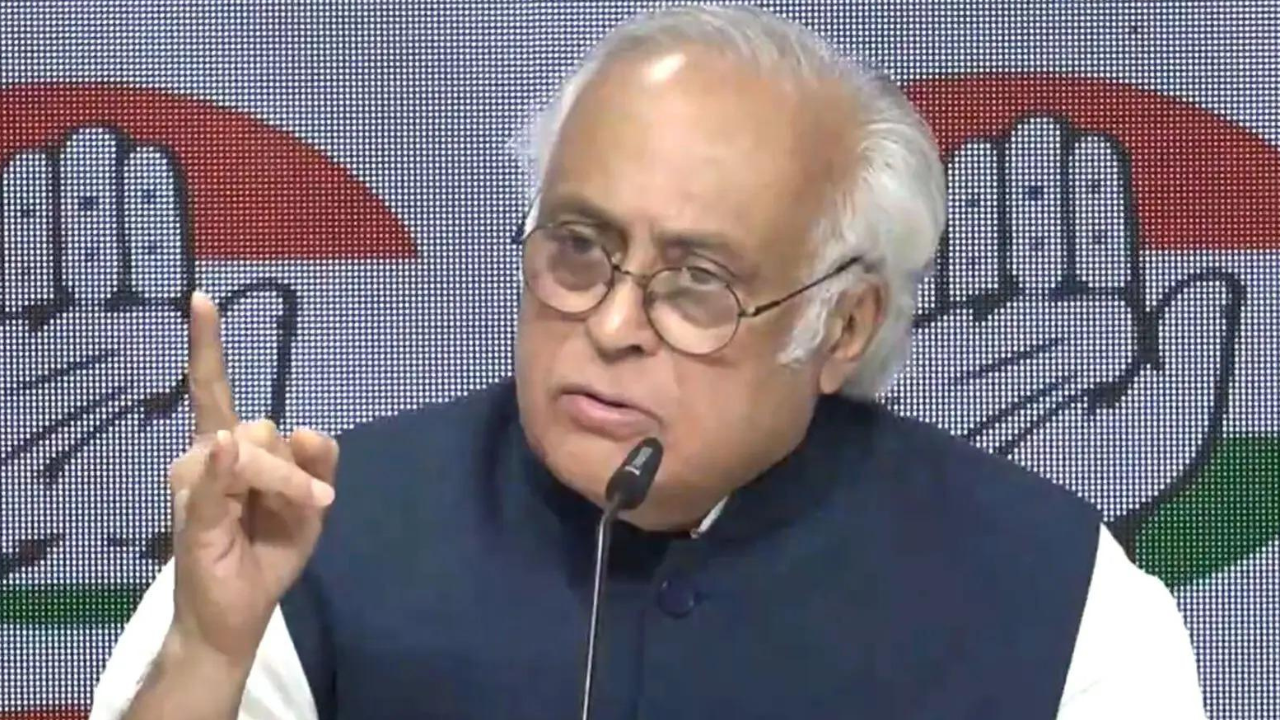
The Congress party has taken a jibe at the central government over inflation, using a play on Prime Minister Narendra Modi's phrase 'Sab Changa Si' (everything is fine) to assert that the ground reality is 'Sab Mehanga Si' (everything is expensive). The party's attack came amid continuing public concern over rising prices of essential commodities, including food items and fuel.
The phrase 'Sab Changa Si' is Punjabi for 'all is well'. Prime Minister Modi has used it in the past to project a sense of well-being and progress. The Congress, however, said that for the common citizen, the reality is different. In a statement, the party said that while the Prime Minister keeps saying 'Sab Changa Si', the actual situation is 'Sab Mehanga Si', pointing to the burden of inflation on households.
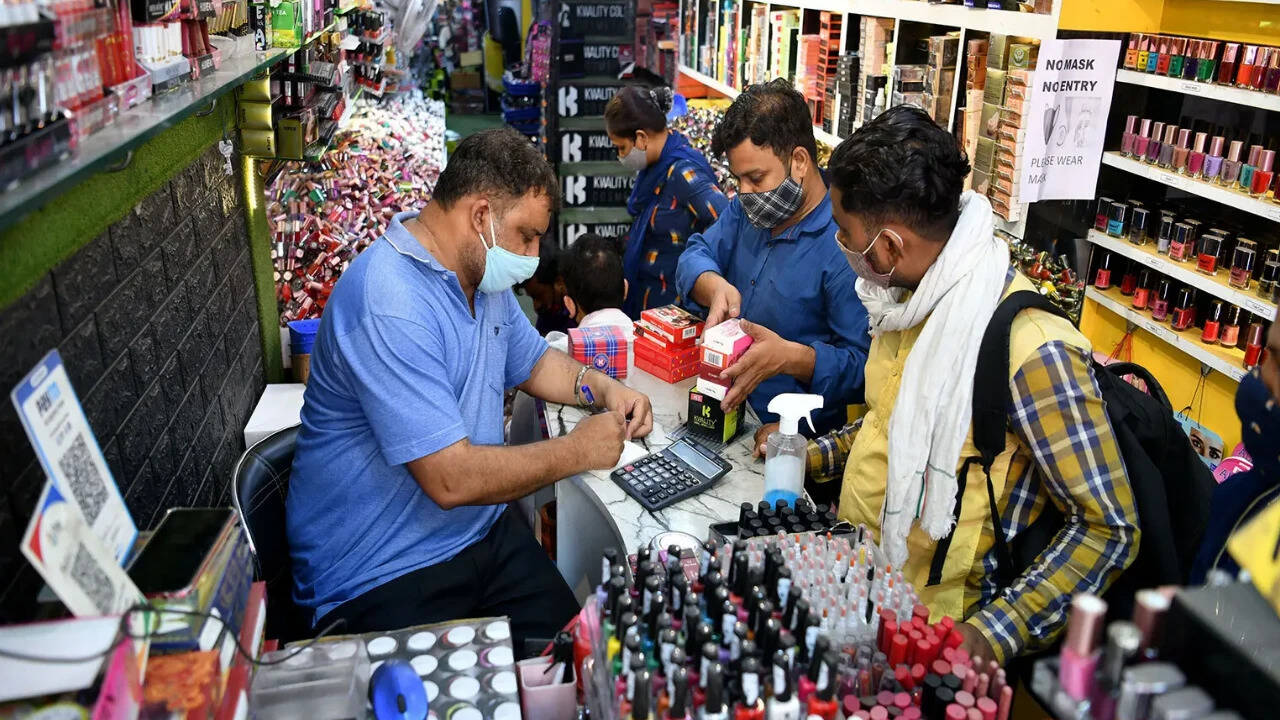
Inflation has been a persistent economic challenge in India. Retail inflation, measured by the Consumer Price Index (CPI), has remained above the Reserve Bank of India's comfort zone of 4% for several months. While the rate has moderated from its peak, food inflation continues to pinch. Prices of vegetables, pulses, cereals, and milk have seen sharp increases at various points. Fuel prices, though stable in recent months, remain high compared to pre-pandemic levels. For the common person, the rising cost of living means tough choices between essential expenses.
The Congress has demanded that the government take urgent steps to provide relief. The party has highlighted that the prices of LPG cylinders, petrol, diesel, and essential medicines have increased, affecting the poor and middle class the most. It has also raised the issue of unemployment, which it says compounds the problem of price rise. The opposition has been consistently raising these issues in Parliament and has held protests across the country.
The government, on its part, has acknowledged that inflation is a global challenge. It has pointed to supply chain disruptions caused by the COVID-19 pandemic and the Russia-Ukraine conflict, which have driven up prices of food, fuel, and fertiliser worldwide. The government has said that India has managed inflation better than many other countries. It has taken several measures, including reducing excise duty on petrol and diesel, imposing export restrictions on wheat, rice, and sugar, and cutting import duties on edible oils. The RBI has raised repo rates to control demand-driven inflation. The government also says its welfare schemes, such as free food grains to the poor, have provided a cushion.
Economists note that while headline inflation may be moderating, the pain of high food prices is felt acutely by low-income households. The debate over inflation is likely to be a key political issue in the run-up to upcoming elections. The BJP-led government is highlighting its economic record, infrastructure development, and welfare schemes. The Congress and other opposition parties are seeking to make inflation and unemployment central to their campaign.
The war of words over 'Sab Changa Si' and 'Sab Mehanga Si' is a reflection of the larger political battle. For the common citizen, however, the concern is not the slogan but the monthly budget. As prices of daily essentials remain a worry, the political parties continue to spar over who is responsible and what should be done. The coming months will show whether the government's measures bring relief or whether the opposition's attack gains traction with voters.