Congress Boycotts Rajasthan UCC Hearings, Cites Lack of Public Draft
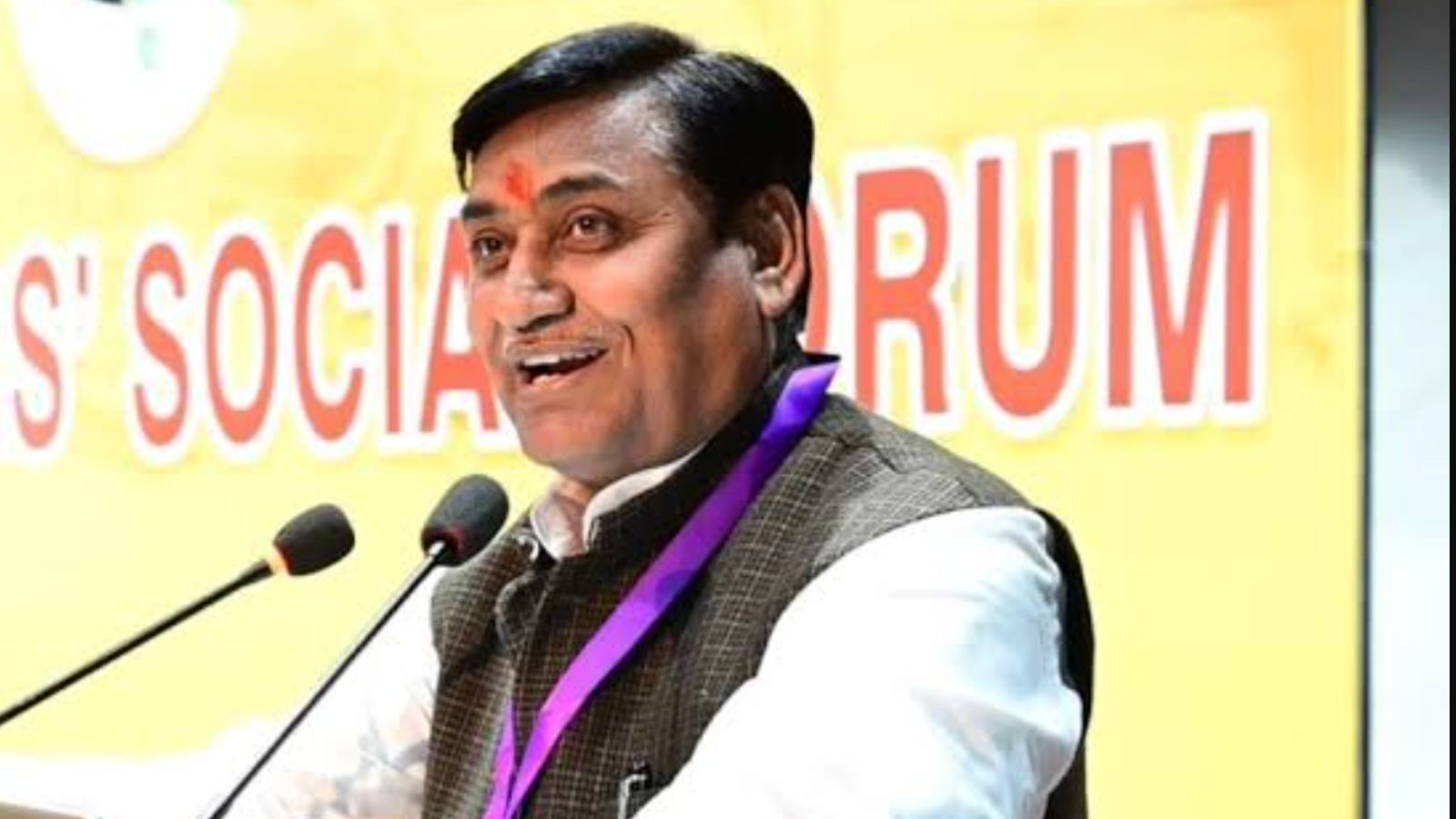
The Congress party in Rajasthan has decided to boycott public hearings for the Uniform Civil Code (UCC) scheduled in the Ajmer region on July 6 and 7. The decision was announced by state party president Govind Singh Dotasra, who argued that without a draft proposal, the hearings are meaningless and aimed at diverting attention from more pressing issues.
In a letter to the Chief Secretary on July 5, Dotasra warned that the party would be forced to completely boycott the hearings unless the draft UCC is first made public. He stated that discussions and debates should be based on a concrete proposal, as is standard practice in courts and legislative assemblies.
The Congress has also raised questions about the impartiality of the UCC committee, noting that Shuchi Chauhan, director of the Vishwa Samvad Kendra—an organisation associated with the Rashtriya Swayamsevak Sangh (RSS)—is a member. The party contends that such involvement undermines the committee's neutrality.
The UCC has been a politically sensitive issue, with supporters arguing for uniform personal laws across religions and opponents citing concerns over minority rights and cultural diversity. The Rajasthan government, led by the Bharatiya Janata Party (BJP), has initiated the hearing process to gather public opinion before drafting the code.
Dotasra emphasized that the Congress is not opposed to the UCC in principle but insists on a transparent process. “We are not participating. There is no draft; what is the point of discussions and debates? Suggestions are taken when there is a draft present on the subject. The same applies in the courts and even in the state Assembly, where we debate only after a draft is tabled,” he told The Indian Express.
The boycott highlights the deepening political divide over the UCC in Rajasthan. While the BJP sees the hearings as a step towards uniform civil laws, the Congress views them as a political maneuver. The outcome of the hearings and the subsequent drafting of the UCC will likely have implications for the state's political landscape.