CJI proposes 'Nyaya Setu' for BRICS+ to bridge legal systems
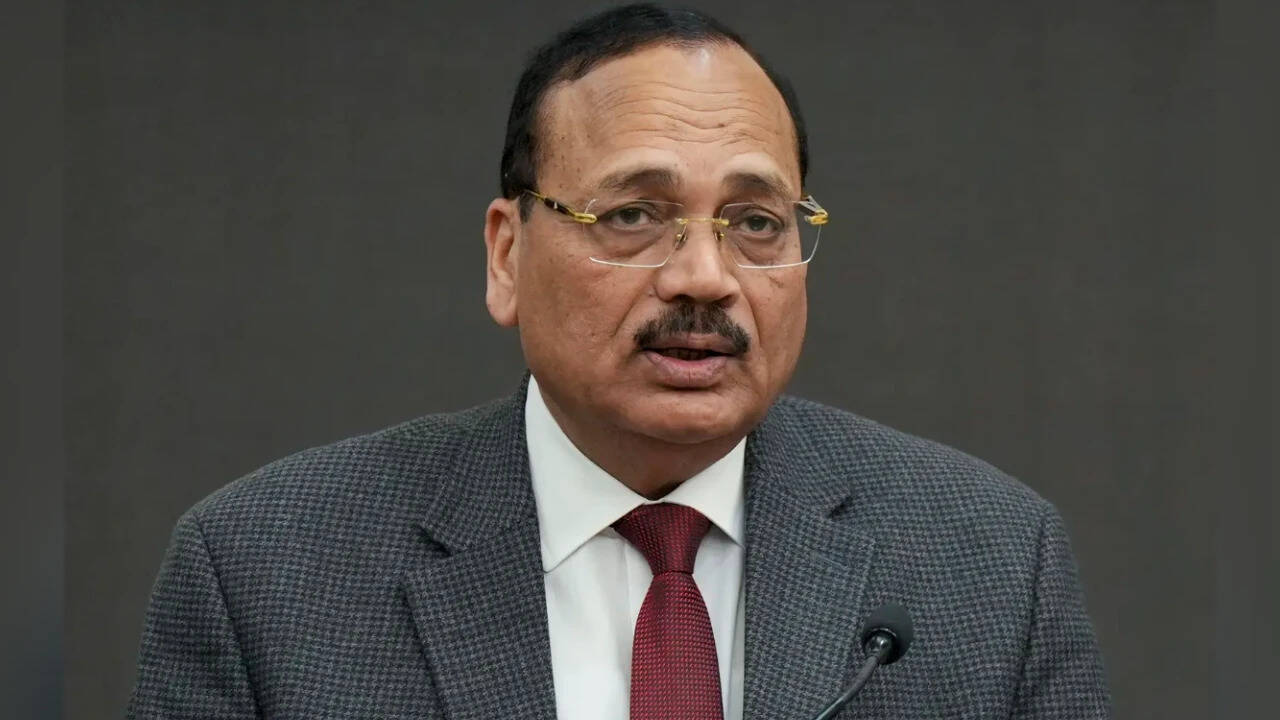
Chief Justice of India Surya Kant has proposed the creation of a 'Nyaya Setu' (Bridge of Justice) for BRICS+ nations, aimed at seamless exchange of judgments from the highest courts of member countries and enabling young judges to learn from their counterparts in other jurisdictions. The proposal was made at the BRICS+ Legal Forum organised by the Bar Association of India in New Delhi on Saturday.
The CJI outlined a twin-pronged approach. First, a BRICS+ judicial fellowship that would allow early-career judges to briefly sit in one another's courts and observe different judicial practices. Second, a shared jurisprudence repository, drawing on India's own substantial investment in digital records of case law, so that a judgment delivered in New Delhi, Brasilia, or Pretoria can inform benches across the bloc without lengthy delays when they confront similar legal questions.
Explaining the philosophy behind the initiative, CJI Kant said, "Let it be 'Nyaya Setu', a 'Bridge Of Justice' that connects eleven legal traditions which have mutually agreed that trust should be cultivated deliberately rather than awaited passively. Let us, therefore, commit to a future where institutions are not fortresses of formality but bridges of trust, where our united efforts illuminate a path of mutual harmony and prosperity."
The Chief Justice also spoke about the link between rule of law and economic development, coining the term 'Nyaya-nomics', or the economics of justice. He argued that consistent and reliable adjudication reduces the cost of transactions, levels the playing field for market forces, and ultimately paves the way for economic growth. "A courtroom that keeps its word quickly becomes a country the world is willing to trust with its capital," he said.
Providing examples from India's experience, CJI Kant noted that the Supreme Court's validation of the Insolvency and Bankruptcy Code (IBC) and its affirmation of the commercial wisdom of creditors' committees helped emphasise that capital must not remain trapped in prolonged litigation. He credited these measures, along with other judicial and policy reforms, for India's rise from the bottom quarter to the top hundred in the World Bank's ease of doing business rankings, where enforcing contracts is no longer seen as a byword for delay.
The proposal reflects India's growing role in promoting judicial cooperation among BRICS+ countries, which now include major economies from Asia, Africa, and Latin America. Analysts say such initiatives can help harmonise legal approaches and foster mutual confidence in cross-border trade and investment.







