China probes illegal use of formaldehyde to keep cabbages fresh
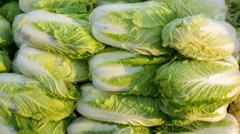
Chinese authorities have launched an investigation into reports that formaldehyde, a chemical linked to cancer, was used to preserve cabbages intended for human consumption. The move follows the circulation of footage showing individuals dipping cabbages into a solution before loading them onto trucks in Hebei province.
Officials in Kangbao county, where the incident was recorded, confirmed on Saturday that the footage had been verified. The practice of using formaldehyde to prolong the freshness of food is strictly prohibited in China due to its potential health risks.
An environmental blogger first released the video last week, triggering widespread public concern. In response, local police have taken legal action against the individuals involved, according to state media. Market regulators have also begun spot checks across the country to reassure consumers and prevent panic.
In a statement, Kangbao county authorities said: "Any illegal or non-compliant practices discovered will be dealt with strictly in accordance with the law to ensure the safety of the vegetable supply." Investigators are now working to determine how widespread the practice is and to trace any affected vegetables that may have entered the supply chain.
Beijing's Xinfadi market, a major fresh produce hub, issued a statement saying it had traced the source of its cabbages and confirmed that none of the affected vegetables had reached its stalls. The incident has drawn sharp criticism in Chinese media, with an editorial in the People's Daily condemning the wholesalers for prioritising profits over consumer safety.
China is the world's largest producer of cabbages, harvesting more than 30 million tonnes annually—nearly half of the global total. Major export destinations include Vietnam, South Korea, and Russia. The use of formaldehyde in food preservation is banned nationwide, but enforcement can be challenging in rural supply chains.
Formaldehyde is a colourless, strong-smelling chemical widely used in industrial applications. According to the American Cancer Society, high levels of exposure in certain workplaces have been linked to some types of cancer, though the effect of small amounts through food is less clearly understood. Nevertheless, its use in food is considered a serious violation of public health regulations.
The investigation reflects broader concerns about food safety in China, where authorities have stepped up measures in recent years to address illegal additives and contamination. The government has emphasised strict enforcement of food safety laws to maintain public confidence in the domestic food supply.
As authorities continue their probe, consumers are advised to remain vigilant and report any suspicious practices. The case underscores the need for rigorous oversight in agricultural production and distribution, not only in China but globally.







