Chidambaram proud to be called 'dimagi naxal', counters PM Modi
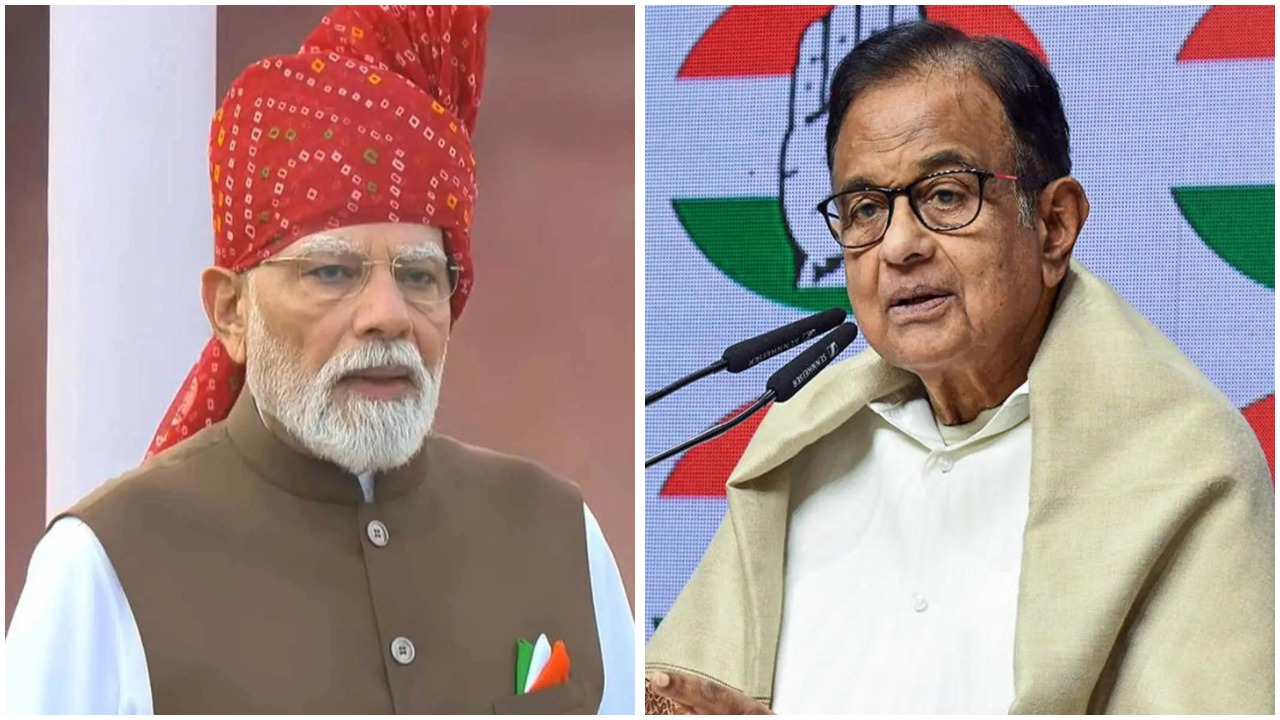
Former Union Minister and senior Congress leader P Chidambaram has hit back at Prime Minister Narendra Modi after the latter referred to him and others as "dimagi naxal" (intellectual Naxals). In a sharp rejoinder, Chidambaram said he was proud to be described as such, turning the remark into a badge of honour.
The term "dimagi naxal" is often used in political discourse to describe individuals who are perceived as ideologically aligned with Naxalite movements but operate through intellectual means rather than armed violence. PM Modi made the remark during a recent public address, warning that such ideological threats remain a challenge for the nation.
According to reports, PM Modi said that while the armed Naxal movement has been largely suppressed, the "dimagi Naxals" continue to pose a threat to the country's development and security. He urged people to be vigilant against such influences.
Responding on social media, Chidambaram said he took the label as recognition of his commitment to constitutional ideals. He maintained that his politics have always been within the framework of the Constitution and democracy. The former Union Home Minister also questioned the Prime Minister's use of such language against political opponents.
The Congress party criticised the Prime Minister for resorting to name-calling instead of addressing substantive issues. Several opposition leaders joined in, arguing that labelling political rivals as anti-national or ideological threats undermines democratic debate. Some pointed out that such rhetoric is often used to deflect attention from pressing matters like unemployment, inflation, and rural distress.
Naxalism, which began in the late 1960s in West Bengal, has been a long-standing internal security challenge for India. The government has repeatedly claimed that the armed struggle has been weakened, with many areas now free from violence. However, the ideological resonance of the movement remains a matter of debate among experts.
The exchange highlights the deep political polarisation in the country, where terms like "Naxal" are increasingly used as political slurs. Analysts note that such characterisation often shifts focus from policy discussions to personal attacks, affecting the quality of democratic dialogue.
As the war of words continues, both the ruling party and the opposition appear to be engaging in what experts call "othering" of political rivals. The evolving discourse raises questions about the health of democratic debate and the need for constructive political engagement in India.







