Chidambaram calls 'One Nation, One Election' plan 'monstrous, mindless' at parliamentary panel
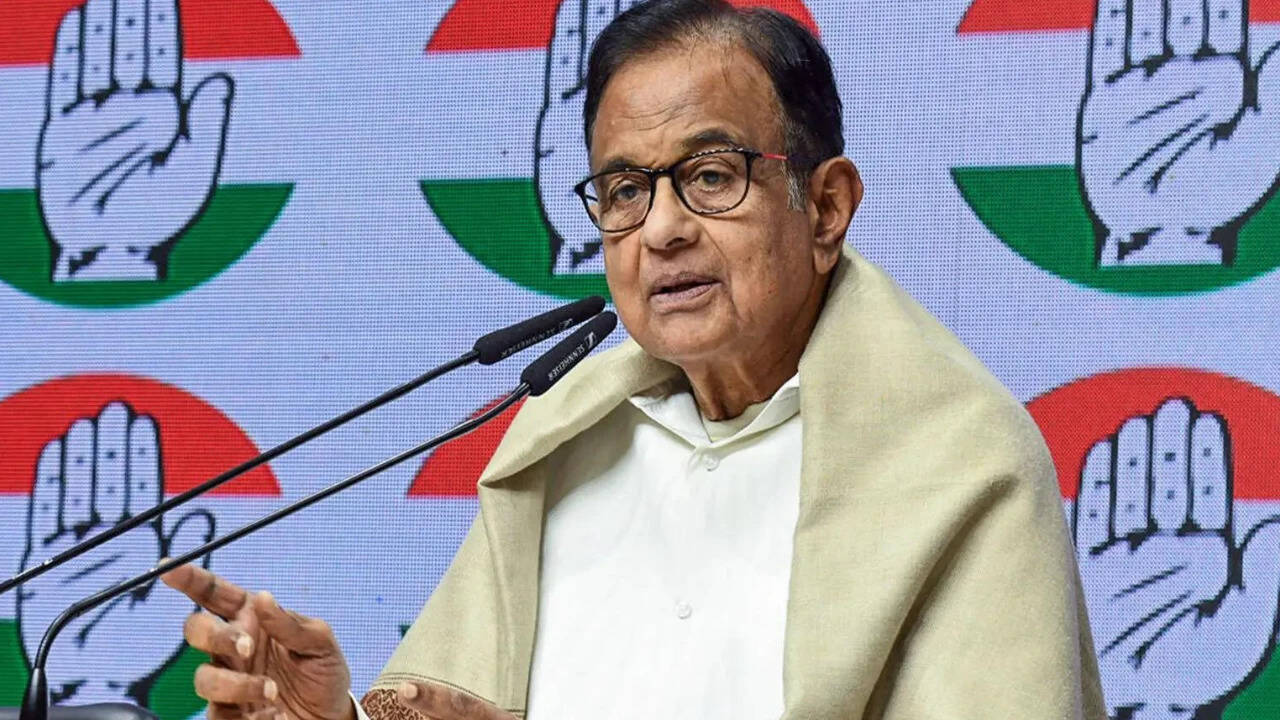
New Delhi: Senior Congress leader P. Chidambaram on Wednesday strongly criticised the Centre's 'One Nation, One Election' proposal, describing it as "monstrous" and "mindless" during a meeting of a parliamentary standing committee. The former Union finance minister's remarks came as the committee reviewed the two Bills related to simultaneous elections, which were introduced in the Lok Sabha earlier this session.
According to sources present at the meeting, Chidambaram argued that the proposal would undermine the federal structure enshrined in the Constitution. He said that holding elections to the Lok Sabha and state assemblies simultaneously would be practically difficult and constitutionally questionable. "This is a monstrous and mindless plan that will destroy the federal character of our polity," he was quoted as saying.
The Congress leader also raised concerns about the impact on regional parties and local issues. He pointed out that state elections are often fought on local concerns, and merging them with national elections would blur these distinctions. He further questioned the need for such a major change, saying there was no public demand or urgency for it.
Chidambaram's remarks were countered by members of the ruling Bharatiya Janata Party (BJP), who defended the proposal as a means to reduce election expenditure, ensure policy continuity, and prevent frequent disruptions caused by the Model Code of Conduct. They argued that simultaneous elections would lead to better governance and efficient use of resources.
The 'One Nation, One Election' proposal, a long-standing promise in the BJP's manifesto, seeks to synchronise the electoral cycles of the Lok Sabha and all state legislative assemblies. The government has argued that it would reduce the financial burden of conducting multiple elections and allow governments to focus on development work without constant election-related interruptions.
However, several opposition parties have expressed reservations, calling the move an attack on democracy and federalism. They have also pointed out the logistical challenges, including the availability of security forces and electronic voting machines, as well as the risk of a single wave affecting both national and state outcomes.
The parliamentary committee is expected to hear more stakeholders before submitting its report. The government has indicated that it is open to discussions and amendments, but remains committed to the idea.
Political analysts say the debate over simultaneous elections is likely to intensify as the committee deliberations progress. While proponents believe it would streamline the electoral process, critics maintain that it would concentrate power and dilute the voice of regional parties.
The Constitution of India currently allows the Election Commission to conduct elections at its discretion, and a change would require a constitutional amendment. The government has not yet indicated a timeline for the implementation, but has described it as a priority reform.







