Centre Withdraws 16 CRPF Companies from Delhi Police in Wake of Pellet Gun Row
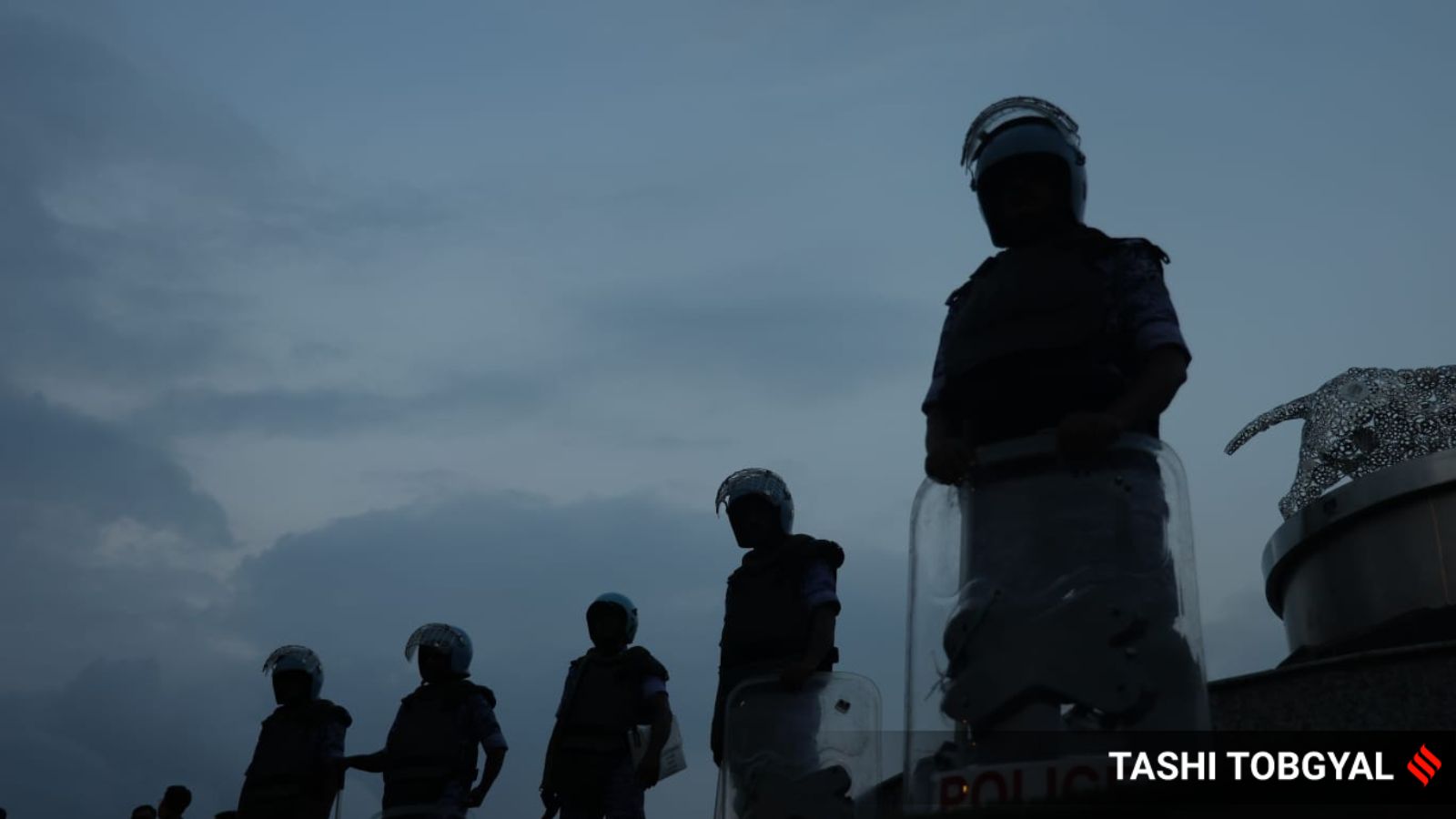
In a significant move, the Union Ministry of Home Affairs has ordered the withdrawal of 16 companies of the Central Reserve Police Force (CRPF), including 12 from its specialised Rapid Action Force (RAF), from Delhi Police duties with immediate effect. The order comes days after the RAF faced intense scrutiny over the use of pellet guns against protesters during a march to Parliament on July 20.
According to a communication issued by the Deputy Commissioner of Police (1st Battalion) of Delhi Armed Police on Friday, the companies, identified by CRPF authorities, will be "relieved/de-inducted" from Delhi Police deployment starting July 31. The directive follows a Ministry of Home Affairs (MHA) instruction dated July 30, which mandated the withdrawal. The communication also urged the authorities to issue necessary directions at the earliest for the deployment of relieving or substitute forces in the national capital.
The decision comes in the wake of a controversial incident during the protest march by the self-styled Cockroach Janta Party (CJP) to Parliament, where RAF personnel reportedly used pellet guns to disperse the crowd. The use of pellet guns, which have been repeatedly criticised for causing severe and sometimes irreversible eye injuries, sparked widespread condemnation from civil rights groups and opposition parties.
The RAF, a specialised unit of the CRPF, is primarily tasked with riot control and crowd management. It has been deployed in Delhi and other parts of the country for decades to assist civil administration in maintaining law and order. However, its methods, particularly the use of non-lethal but potentially injurious weaponry, have come under increasing scrutiny in recent years.
This is not the first time that the RAF's tactics have been questioned. In 2010, the Supreme Court had asked the Central Government to reconsider the use of pellet guns in Kashmir, following protests and deaths. The government had then set up a committee to examine the issue, but the RAF continues to rely on these weapons during large-scale protests.
Critics argue that the withdrawal of RAF companies from Delhi Police duties is a tacit acknowledgment of the concerns raised over their conduct. However, officials have clarified that the move is a routine operational review and not a punitive action. "The rotation of forces is a standard procedure to ensure fresh manpower and effective policing," said a senior CRPF officer, requesting anonymity.
Meanwhile, the Delhi Police is expected to make alternative arrangements to fill the void left by the withdrawal. The communication has asked for urgent directions regarding the deployment of substitute forces in the city. Sources indicate that the police may request additional companies from other paramilitary forces, such as the Border Security Force (BSF) or the Indo-Tibetan Border Police (ITBP), to manage security in Delhi.
The development has also reignited the debate on the use of pellet guns in crowd control. Several human rights organisations have called for a complete ban on the use of pellet guns in civilian areas, arguing that they violate the right to life and dignity. The National Human Rights Commission (NHRC) had earlier issued notices to the government regarding the use of such weapons.
In response, the MHA has stated that it is reviewing the use of non-lethal weapons and exploring alternative crowd-control measures. The withdrawal of the RAF companies from Delhi may be seen as a first step in this direction, though officials maintain that it is a routine transfer.
As the national capital prepares for the withdrawal of these 16 companies, the focus remains on ensuring that security arrangements are not compromised. The RAF units will now be redeployed to other regions or placed on reserve, depending on the operational requirements of the CRPF.
The move is significant not only for Delhi but also for the broader discourse on police reform and the use of force in public protests. It underscores the need for a more humane and accountable approach to crowd management, one that balances security concerns with fundamental rights.