Centre to Notify Western Ghats as Eco-Sensitive Area in Three States Amid Opposition from Kerala, Karnataka
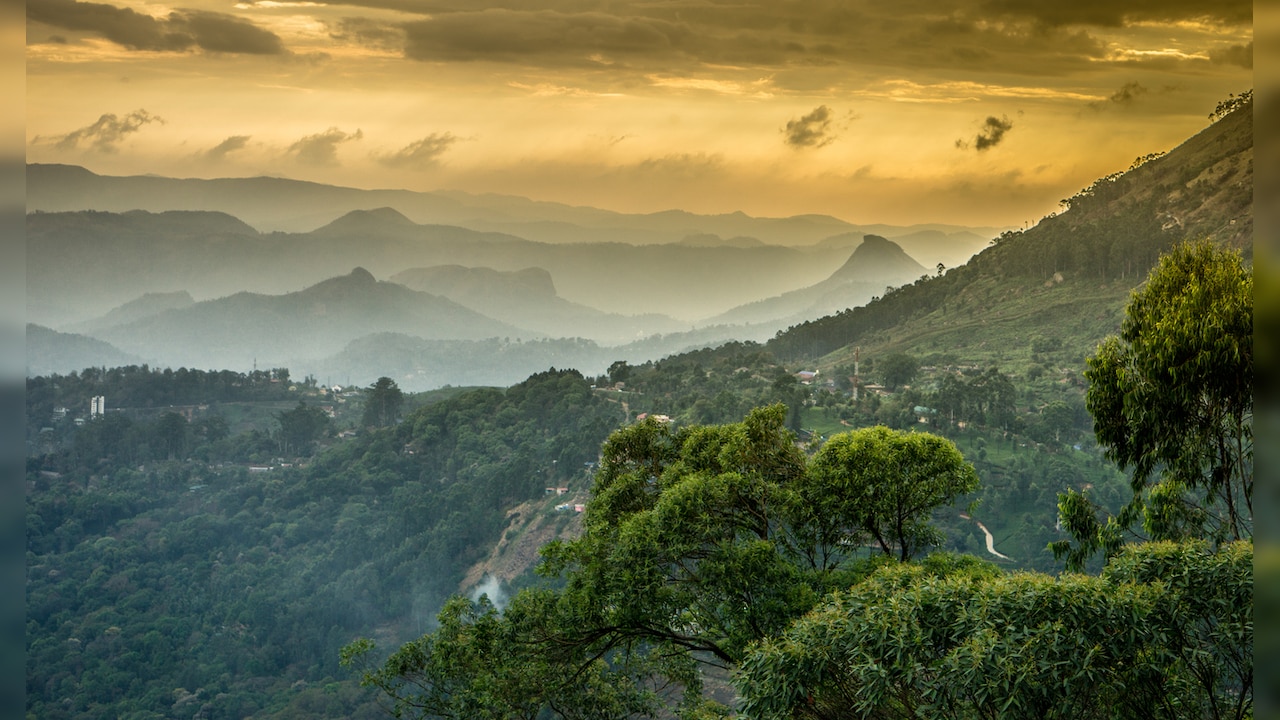
The Union Environment Ministry is set to declare parts of the Western Ghats in Gujarat, Goa, and Maharashtra as Eco-Sensitive Areas (ESA), according to sources. The move aims to protect one of the world's most significant biodiversity hotspots, but faces resistance from Kerala and Karnataka, which have raised objections to the proposed restrictions.
The notification will cover approximately 56,000 square kilometres across the three states, based on recommendations from a committee led by former ISRO Chairman K. Kasturirangan. Activities such as mining, thermal power plants, polluting industries, and large-scale construction will be banned to conserve the fragile ecology. The plan also seeks to curb destructive commercial activities while promoting sustainable development for local communities.
Initially, the proposal sought to include six states—Gujarat, Goa, Maharashtra, Kerala, Karnataka, and Tamil Nadu—under the ESA framework. However, Kerala and Karnataka have refused to agree to the terms. Kerala has demanded a reduction in its designated ESA area, while Karnataka has questioned the rationale behind the entire exercise, according to sources. Both states oppose the bans on mining, quarrying, and new industries, arguing that these restrictions would harm local economies and livelihoods. In Kerala, a significant portion of the population resides in or near the proposed buffer zones.
Given the deadlock, the central government has decided to proceed with notifying the three states that have consented, without further delay. Issuing the notification for these states will strengthen environmental protection efforts in the Western Ghats, which the UNESCO has recognised as one of the world's eight 'hottest hotspots' of biological diversity. The UNESCO notes that the region includes some of the best examples of non-equatorial tropical evergreen forests and is home to at least 325 globally threatened species of flora, fauna, birds, amphibians, reptiles, and fish.
The Environment Ministry first issued a draft notification for the ESA in March 2014, based on the Kasturirangan Committee's recommendations. The committee had scaled down the earlier Gadgil Committee's proposal—which had recommended designating 64 per cent of the Western Ghats as ESA—to 37 per cent, balancing conservation with developmental needs.