Centre tightens rules for digitised birth and death certificates amid fraud concerns
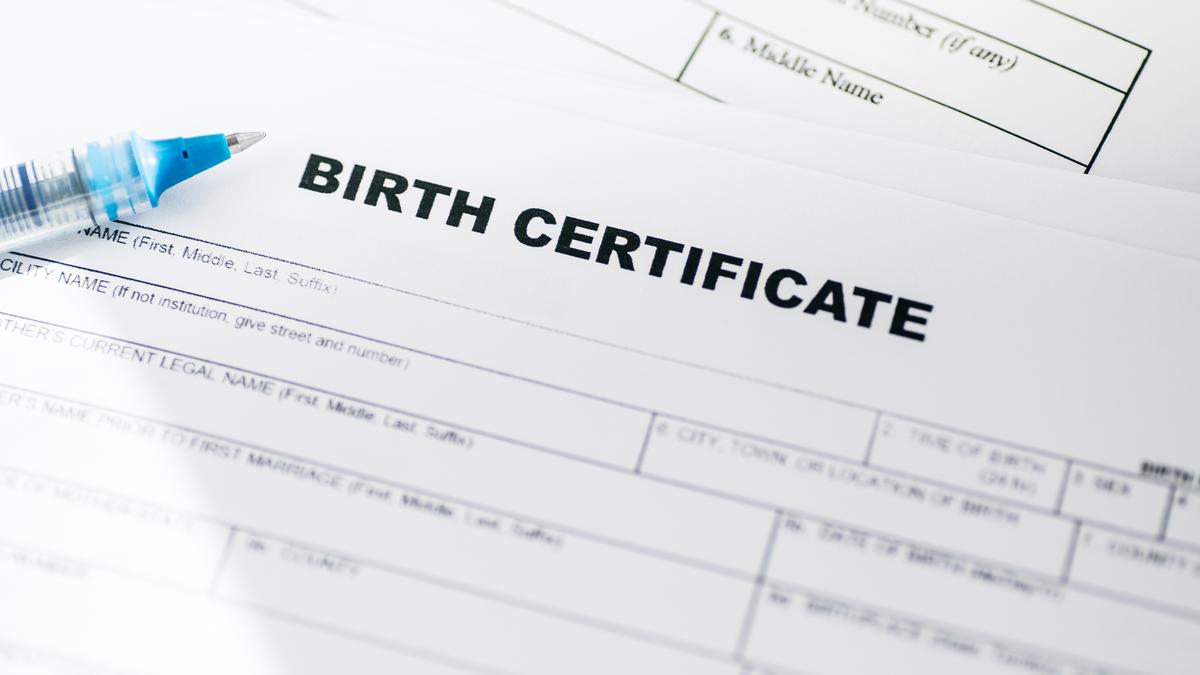
The office of the Registrar General of India (RGI) has directed states to implement stricter verification measures for digitised birth and death certificates following reports of fraudulent issuance. The move comes amid a surge in demand for digital copies, partly driven by their use in electoral roll updates.
In a communication dated June 12, the RGI noted that in some cases, credentials of registrars had been compromised due to sharing of user IDs, passwords, or one-time passwords (OTPs) with unauthorised persons. This led to complaints about fake or unauthorised digitised certificates being issued. The RGI warned that such incidents undermine the integrity of the Civil Registration System and threaten the reliability of vital records.
To address these concerns, the RGI on July 6 urged states to adopt a series of measures to enhance security, transparency, traceability, and authenticity of the digitisation process. These include mandatory verification of online applications against original birth and death registers, uploading of supporting documents, and forwarding all applications to the district registrar for approval. District registrars must scrutinise and approve applications before any digitised certificate is issued, and must use e-signatures to ensure accountability and an audit trail.
The RGI also asked state committees to review the status of digitisation and preservation of legacy records, emphasising secure storage of original registers and verification of manual certificates against registers before digitisation.
The tightening of rules coincides with an uptick in demand for digital copies due to the ongoing special intensive revision of electoral rolls, where birth certificates are among accepted identity documents. Additionally, the Registration of Births and Deaths Act, 1969, amended in 2023, now mandates online registration of births and deaths on the Central Civil Registration System portal. For children born on or after October 1, 2023, the digital birth certificate serves as the single document for proving date of birth for educational admissions, government jobs, marriage registration, and other services. Hospitals must report births within 21 days.
The Ministry of Home Affairs is set to introduce a Bill in the Monsoon session of Parliament, starting July 20, to further amend the Act to make provisions for delayed registration more stringent. Union Home Minister Amit Shah is also expected to review the birth and death registration system in West Bengal during his visit from July 17 to 19.







