Centre Proposes Uniform Cinema Rules to Simplify Theatre Approvals Across States
The Central government on Monday announced two major initiatives aimed at streamlining the Indian film industry and making it more globally competitive. A high-level study group chaired by Prasoon Joshi, former Central Board of Film Certification chairperson, has been set up to chart a growth roadmap for Indian cinema. Additionally, model cinema regulations have been sent to all states for adoption, with the goal of simplifying and standardising the approval process for theatres, particularly in smaller towns and rural areas.
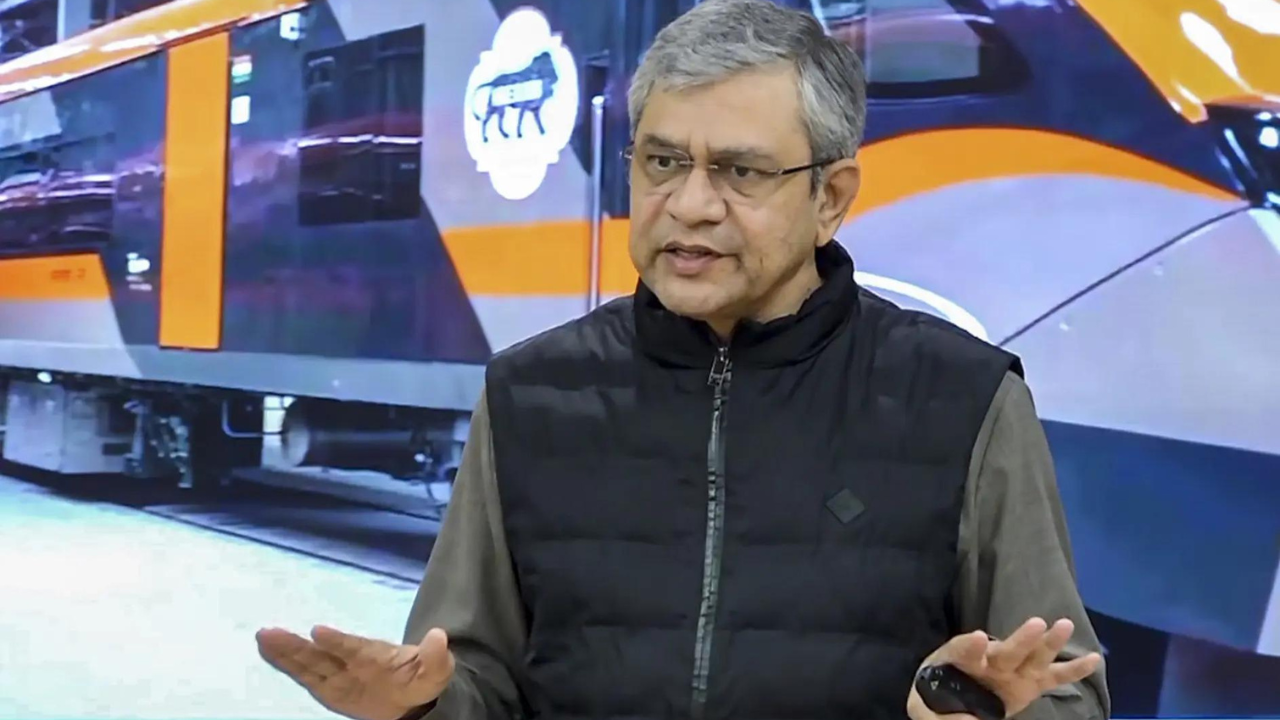
The decisions were taken at a review meeting led by Information and Broadcasting Minister Ashwini Vaishnaw with senior ministry officials. The move comes amid growing recognition that while Indian films have expanded their global footprint, the sector faces several challenges. These include gaps in institutional finance, uneven theatre infrastructure, fragmented state-level permissions, and the need to adapt to new technologies such as artificial intelligence and virtual production.
The study group will include industry experts and technology partners. It has been tasked with examining opportunities and challenges before Indian cinema and recommending measures to strengthen production, distribution, and global competitiveness. Specifically, the group will study ways to help filmmakers access institutional finance and new funding options, address difficulties in raising money for production and distribution, and suggest how emerging technologies can be integrated into filmmaking.
The group will also work with state governments and other stakeholders to identify best practices and recommend a long-term policy framework for the sector. It will hold consultations across the country and submit its report to the ministry within three months.
In the second decision, the ministry has sent Model State Cinema Regulations to all states. Since regulation of cinemas and theatres falls under the state list, permission systems vary widely across states, often delaying projects and discouraging investment in cinema infrastructure. Officials said the model regulations, prepared after stakeholder consultations, are intended to simplify and standardise approvals for cinemas and theatres. The ministry will assist states in implementing the framework, with the larger objective of increasing screen density and supporting the growth of the film exhibition business beyond big cities.
The move is expected to ease the expansion of theatres, particularly in small towns and rural areas, where screen density is low. By reducing bureaucratic bottlenecks, the government aims to attract more investment into the exhibition sector and make it easier for filmmakers to release films across the country.
Industry experts have welcomed the initiatives, noting that a uniform set of rules could significantly cut down the time and cost involved in setting up new theatres. Currently, entrepreneurs often have to navigate multiple clearances from different state and local authorities, leading to delays and uncertainty. The model regulations are expected to provide a clear, predictable framework for approvals.
The study group's recommendations on financing and technology adoption are also seen as crucial for the industry's long-term growth. Many filmmakers struggle to secure funding for their projects, and the lack of access to institutional finance pushes them towards informal sources. The group will explore ways to bridge this gap.
With these twin moves, the Centre aims to address long-standing structural issues in the Indian film industry and position it for greater global competitiveness. The focus now shifts to state governments, which must adopt and implement the model regulations for the benefits to be realized.