Centre Appoints 30 Judges to Calcutta, MP, Karnataka, Madras High Courts
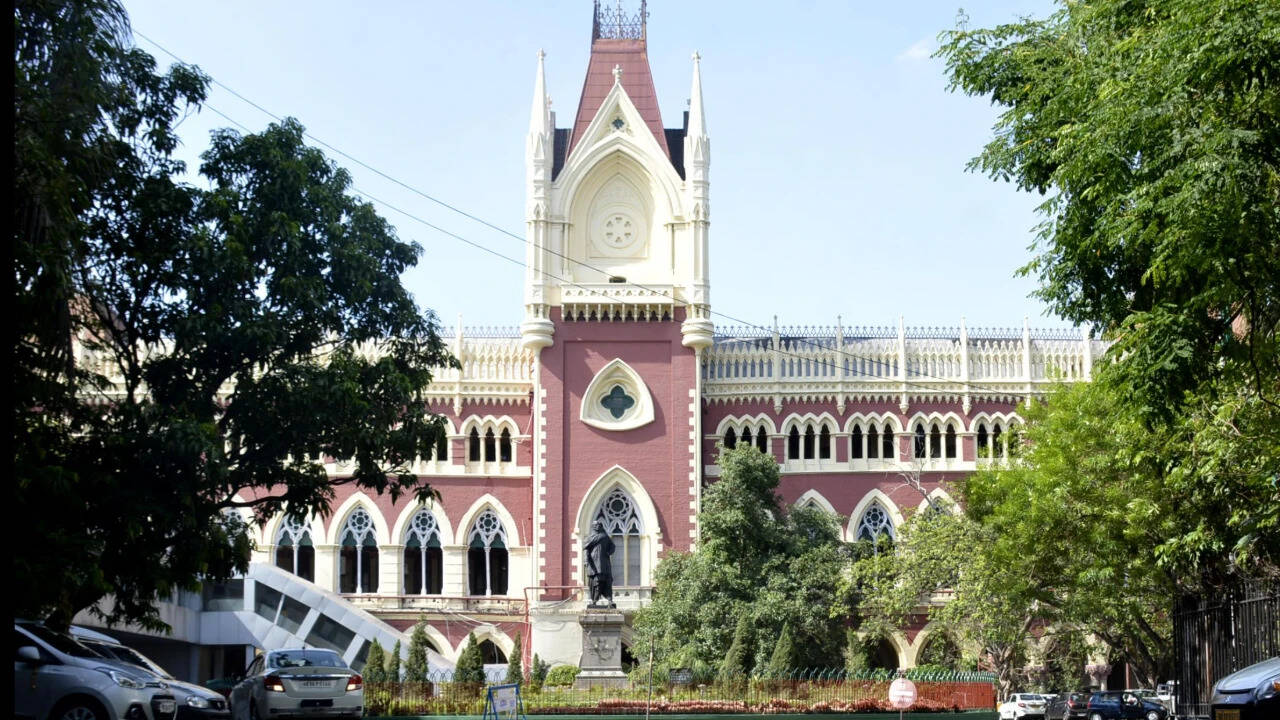
The central government has appointed 30 judges to the high courts of Calcutta, Madhya Pradesh, Karnataka, and Madras. The appointments were announced through notifications issued by the Ministry of Law and Justice.
Of the 30 appointments, seven are judicial officers who have been elevated to the high court benches. The remaining 23 are advocates appointed directly as judges. This mix reflects the two primary routes through which individuals become high court judges in India.
The appointments are made in the name of the President of India. The process involves recommendations from the Supreme Court Collegium, which includes the Chief Justice of India and the four senior-most judges of the Supreme Court. After the Collegium recommends a name, the government carries out its own checks and then issues the appointment notification.
These appointments are part of the ongoing effort to fill vacancies in the higher judiciary. High courts across the country have a sanctioned strength that determines the maximum number of judges. When vacancies remain unfilled, the pendency of cases can increase, affecting the timely delivery of justice.
The Calcutta High Court and the Madras High Court are among the oldest high courts in India, both established in the 19th century. The high courts of Karnataka and Madhya Pradesh also handle a significant number of cases, with benches in multiple cities.
The distinction between judicial officers and advocates is important in the context of judicial appointments. Judicial officers typically have years of experience in the subordinate courts, while advocates bring expertise from litigation. A balanced bench often includes both types of judges, as they contribute diverse perspectives to the adjudication of legal matters.
According to the notifications, the newly appointed judges will take the oath of office as per the provisions of the Constitution. The exact dates of their joining will be determined after the chief justices of the respective high courts administer the oath of office.
The latest round of appointments brings the process of judicial selection into focus. While the government and the judiciary have their respective roles, the functioning of the courts depends on the timely filling of vacancies. The move is expected to strengthen the bench strength of the four high courts and assist in the disposal of pending cases.