Caste discrimination deepens water scarcity in India's drought-hit Bundelkhand
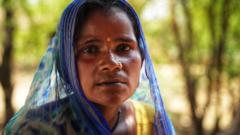
On a sweltering morning a couple of months ago in Jalaun district, 40-year-old Mamta began the first of as many as 10 journeys she would make that day. Carrying three empty plastic buckets, she walked a few hundred metres to the nearest handpump in her village. Temperatures in parts of the drought-prone Bundelkhand region were soaring above 40 degrees Celsius.
But the heat is not the only obstacle Mamta faces. A member of the Valmiki community, a Dalit group once regarded as "untouchable" under India's centuries-old caste hierarchy, she must wait until residents from dominant castes finish using the handpump before approaching it. "If they are standing there, we cannot fill water. We have to wait until they leave," she said. Afterwards, some upper-caste residents pour water over the pump to "cleanse" it. "It has been happening for decades," she said.
The taps installed under a government drinking water scheme have been dry for two years, leaving most of the village's 1,000 residents dependent on a handful of handpumps. For Mamta, collecting enough water for her 11-member family and their livestock takes hours each day. The queues are long, and social customs often force Dalit families to wait even longer, turning an already arduous task into a daily ordeal.
Bundelkhand, a semi-arid region spanning several districts in the states of Uttar Pradesh and Madhya Pradesh, is notoriously drought-prone. It faced several major droughts between 2002 and 2016, becoming almost a symbol for water scarcity in India. The rocky terrain of the Bundelkhand plateau stores little groundwater, and erratic rainfall has made water access unpredictable despite several government and community-led conservation efforts.
A study analysing more than a century of weather records found that temperatures have risen across almost the entire region. In recent summers, parts of Bundelkhand have neared 48 degrees Celsius, intensifying the demand for water and exacerbating the effects of scanty rainfall. This climatic stress is expected to worsen as global temperatures continue to rise.
The intersection of climate stress and social inequality is stark. While the water crisis affects everyone, marginalized communities such as Dalits face additional, systemic barriers. Discriminatory practices like the cleansing of water points reinforce exclusion and deny equal access to a basic necessity. Article 17 of the Indian Constitution abolished untouchability, yet its practice persists in many forms.
Mamta's experience is not isolated. Across India, caste often determines who gets clean water first, who is allowed to use common resources, and who faces humiliation in daily life. As extreme heat becomes more frequent and droughts intensify, the burden of climate change falls heaviest on those already at the bottom of social hierarchies. Addressing water security, experts argue, requires not just infrastructure investment but also the elimination of discriminatory practices that keep the most vulnerable from accessing basic resources.
In a parched corner of India, a woman's struggle for water is a reminder that environmental crises are intertwined with social justice. Without inclusive policies, even the best-intentioned conservation efforts will leave the most disadvantaged behind.







