Carney: US tariff move a 'miscalculation' as Canada promises to retaliate
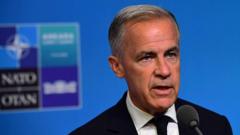
Canadian Prime Minister Mark Carney has described the United States' latest round of tariffs on Canadian goods as a "miscalculation" intended to "hurt and divide us," following the collapse of trade negotiations late on Friday. In a televised address to the nation on Saturday morning, Carney said he refused to sign a deal that would "compromise Canada's sovereignty."
"They asked too much and they offered too little," Carney said, explaining why Ottawa walked away from the negotiating table. He announced that Canada would match the US tariffs "dollar-for-dollar" starting 8 September, with counter-measures targeting steel, dairy, appliances, and electronics. The exact scale of these retaliatory tariffs is expected to be released in the coming days.
Earlier in the week, officials from both countries had expressed optimism about reaching a negotiated settlement. However, talks broke down after each side accused the other of introducing last-minute demands. The collapse means Canada now faces new US tariffs of up to 50% on a broad range of goods, in addition to existing duties on steel, aluminium, automobiles, and lumber.
Carney said he was retaliating "reluctantly" but firmly, in order to protect Canadian workers and industries. "We do not seek escalation, but we will not back down from defending our national interest," he said. The United States, for its part, has not yet issued an official response. President Donald Trump has not commented publicly on Carney's remarks.
The two countries are each other's largest trading partners. Under the United States-Mexico-Canada Agreement (USMCA), which replaced NAFTA in 2020, most goods traded between the three nations are duty-free. However, tariffs on certain products have been a recurring point of tension. The current dispute marks one of the sharpest escalations in recent years, raising concerns about supply chain disruptions and higher consumer prices on both sides of the border.
Economists note that prolonged trade friction could hurt businesses that rely on cross-border supply chains. Canada exports significant amounts of energy, agricultural products, and manufactured goods to the US, while importing machinery, vehicles, and consumer goods. A full-blown tariff war could affect sectors ranging from automotive manufacturing to dairy farming.
The breakdown in talks also carries political implications. Carney, who took office in March, has sought to project a firm stance against what he calls unfair trade pressure. His government has framed the dispute as a defence of Canadian sovereignty. Meanwhile, the Trump administration has repeatedly justified tariffs as necessary to protect American jobs and reduce trade deficits.
Observers say the path forward remains uncertain. Both sides have indicated a willingness to return to negotiations, but no new talks have been scheduled. In the interim, businesses and consumers are bracing for the impact of the new tariffs set to take effect next month.
As the situation develops, Carney urged Canadians to stay united. "We are a strong nation, and we will get through this together," he said. The coming weeks will reveal whether the two governments can find a way to de-escalate or whether this marks the beginning of a longer trade conflict.







