Captain Smit Machchhar 'recuperating well' after mid-flight attack by co-pilot, MEA says
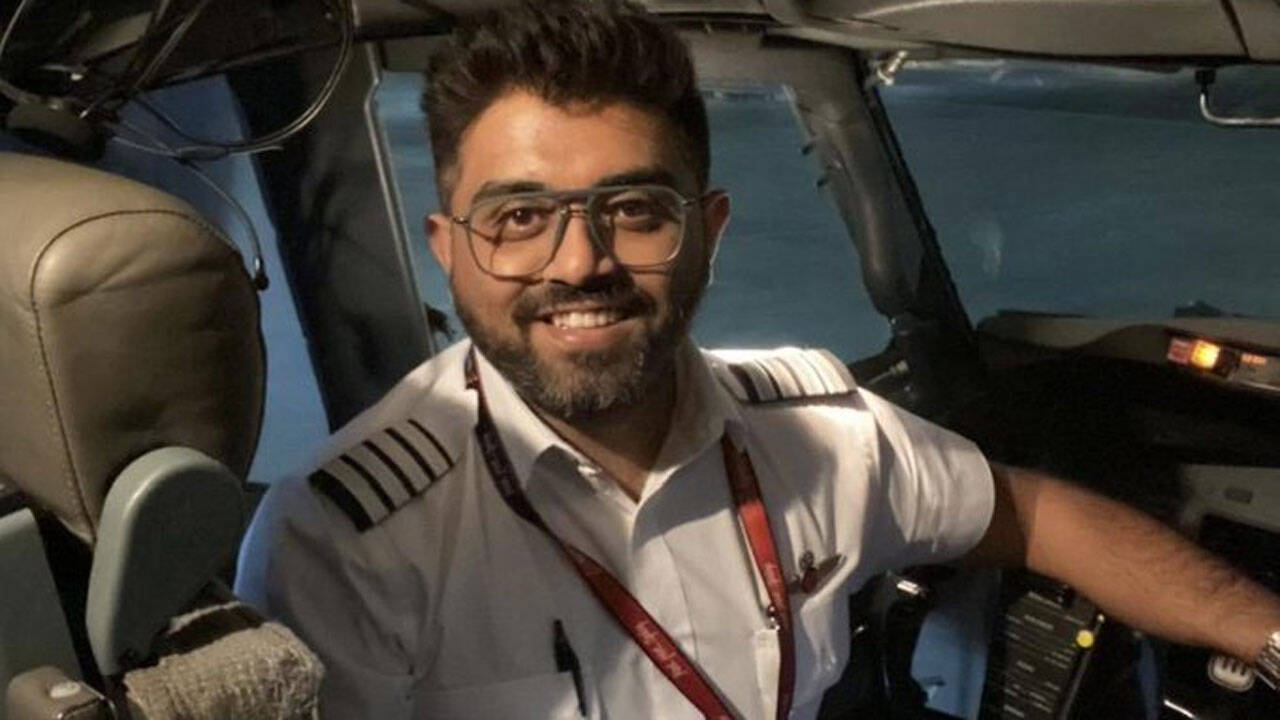
The Ministry of External Affairs (MEA) has provided a health update on Captain Smit Machchhar, the pilot who was attacked during a flight by his co-pilot. According to the MEA, Captain Machchhar is recuperating well. The pilot had suffered severe injuries to his head, neck and hand in the assault.
The attack took place during the flight when co-pilot Hamam al-Hammami, an Omani national, attacked Captain Machchhar. The MEA's statement did not provide details about what triggered the attack or the sequence of events. It focused on the pilot's medical condition and recovery.
'Recuperating well' was the phrase used in the MEA's update, offering reassurance to the aviation community and the public. The injuries were described as severe, but the latest information suggests that Captain Machchhar is responding to treatment.
Attacks on pilots by fellow crew members are extremely rare in commercial aviation. Cockpit crews are trained to work as a team and to manage emergencies together. When such an incident occurs, it raises serious questions about crew dynamics, mental health support, and onboard security.
The involvement of an Omani national as the co-pilot gives the case an international dimension. The MEA has been coordinating with relevant authorities, as is standard practice when foreign nationals are involved in incidents affecting Indian citizens. The ministry's role includes ensuring consular access and maintaining diplomatic channels.
The MEA has not commented on the co-pilot's current status or any potential legal proceedings. It has prioritised Captain Machchhar's well-being in its public statements. The ministry's update has been widely reported, reflecting public interest in the case.
The incident has drawn attention from pilot unions and safety organisations. These groups have long called for better support systems for flight crew, including mental health resources, fatigue management, and conflict resolution training. However, the specific cause of this attack remains unclear.
Passenger safety is the top priority in aviation. Any disruption in the cockpit can have serious consequences. The incident highlights the importance of maintaining a secure and professional cockpit environment. Airlines and regulators have strict rules about cockpit access and crew conduct to prevent such situations.
India's aviation regulator, the Directorate General of Civil Aviation (DGCA), has procedures to investigate serious incidents. It is not yet known whether the DGCA will conduct a separate inquiry. The MEA's involvement indicates the diplomatic sensitivity of the matter.
The MEA has a dedicated team that handles cases involving Indian citizens abroad or in international incidents. Their priority is to ensure the safety and well-being of those affected. In this case, the ministry has been in touch with relevant stakeholders to monitor Captain Machchhar's progress.
The attack has also sparked discussions about the pressures of commercial flying. Long hours, irregular schedules, and high responsibility can contribute to stress. Airlines are expected to provide support to their crew, including access to counselling and mental health services.
Captain Machchhar's recovery is being closely monitored. Colleagues and well-wishers have expressed relief at the news that he is recuperating well. The MEA's update has provided some clarity amid concerns about his condition.
The reasons behind the attack are not yet public. It is also not known whether the co-pilot has been detained or questioned. The MEA has not released further details, citing privacy and ongoing processes.
As Captain Machchhar continues his recovery, the focus remains on his health and the safety of future flights. The aviation industry may review its procedures to ensure that such incidents are prevented. The MEA's statement serves as a reminder of the risks faced by pilots and the importance of supporting them.
Further updates are expected as Captain Machchhar's recovery progresses. For now, the message from the MEA is one of cautious optimism: the pilot is recuperating well.







