Cancer Drug Patents vs. Right to Health: India's Constitutional Dilemma
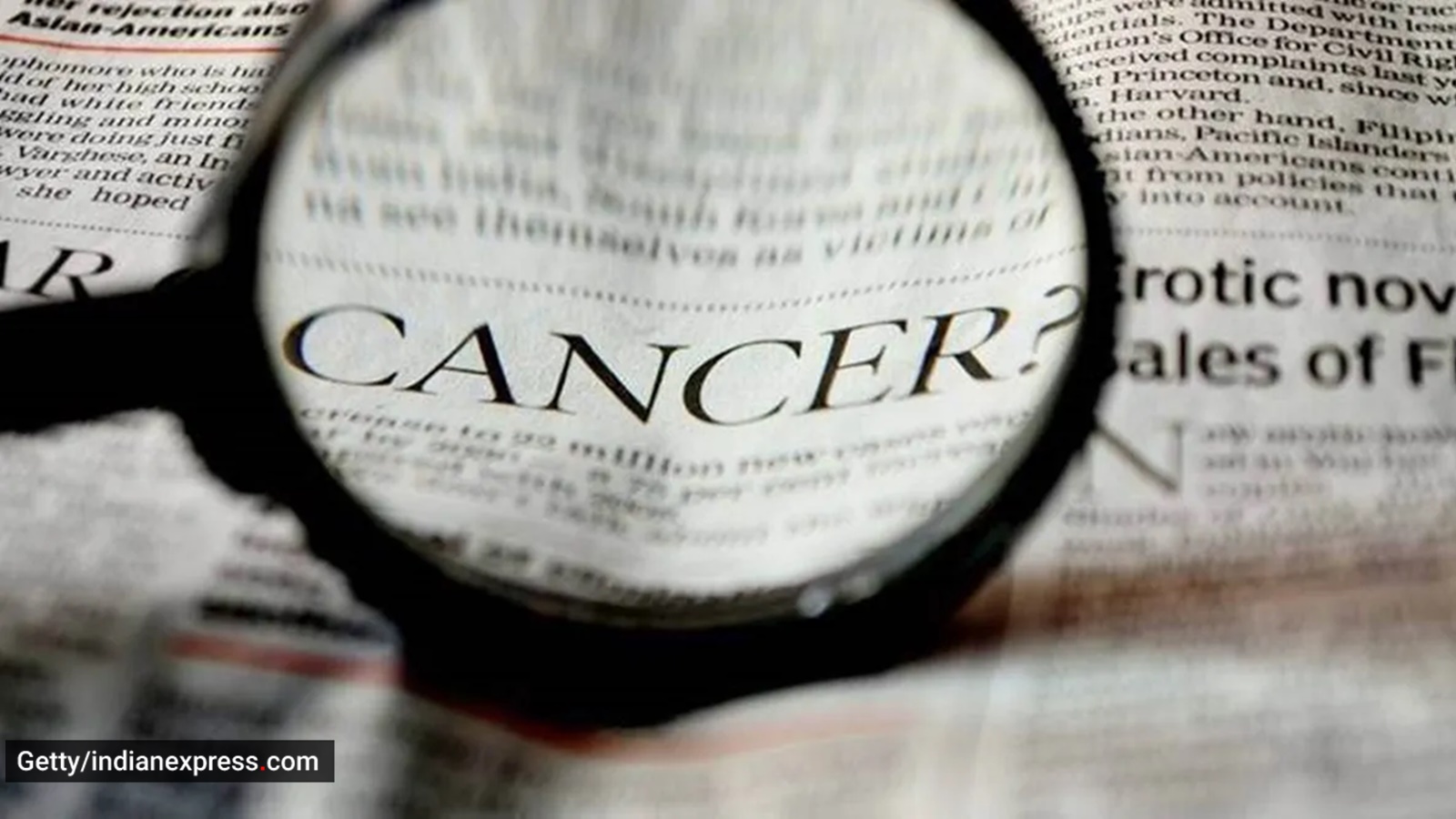
On July 8, the World Health Organisation released its Global Status Report on Cancer, revealing staggering figures: an estimated 20.6 million new cancer cases and nearly 10 million deaths worldwide each year. The WHO predicts 35 million annual cases by 2050 if current trends continue.
The report highlights a stark inequity: a woman with breast cancer in a high-income country has an 87 per cent chance of surviving five years, compared to about 42 per cent in a low-income country. While 68 to 94 per cent of wealthier countries have access to the top 20 priority cancer medicines, only 9 to 54 per cent of low- and lower-middle-income countries do.
India fits into this picture uncomfortably. With an estimated 15.33 lakh new cases expected in 2024, a Rajya Sabha standing committee noted that roughly one in nine Indians faces a lifetime risk of cancer. According to GLOBOCAN 2022 data, breast cancer accounted for over 1.92 lakh new cases and over 98,000 deaths in India in 2022, with more than half detected at an advanced stage.
The high cost of patented drugs remains a critical barrier. The right to health has long been recognised as integral to the right to life under Article 21 of the Constitution. The Supreme Court has held that a healthy body is the foundation of all human activity and that the state has a duty to make essential medicines affordable.
Litigation over access to medicines, compulsory licensing, or drug pricing often languishes in courts for years. In 2022, a retired bank employee with HER2-negative metastatic breast cancer approached the Kerala High Court seeking compulsory licensing of the patented drug Ribociclib under Sections 92 and 100 of the Patents Act, 1970, because its prohibitive cost made treatment unaffordable. The court directed the Centre to consider compulsory licensing, but the petitioner died before the matter was decided. The High Court converted the proceedings into a suo motu case, In Re Exorbitant Pricing of Life Saving Patented Medicines, which remains pending despite having been listed for hearing more than 57 times.
In the 20 years since India aligned its patent regime with TRIPS, it has issued only one compulsory licence: for Bayer's Nexavar in 2012, a drug for kidney and liver cancer, which reduced its monthly supply cost from Rs 2.8 lakh to under Rs 9,000. The 2001 Doha Declaration on the TRIPS Agreement and Public Health, which India helped shape, holds that intellectual property protection should never come at the cost of public health.
The WHO has declared the cancer burden a global emergency. For India, it is not only a pressing policy issue but also a constitutional question. The Rajya Sabha's inquiry into affordable cancer care is a welcome opening, but what remains to be seen is whether the government will use the tools already available to ensure that the right to health is not undermined by patent protections.