CAG audit finds 89% of Indian railway stations lack basic amenities
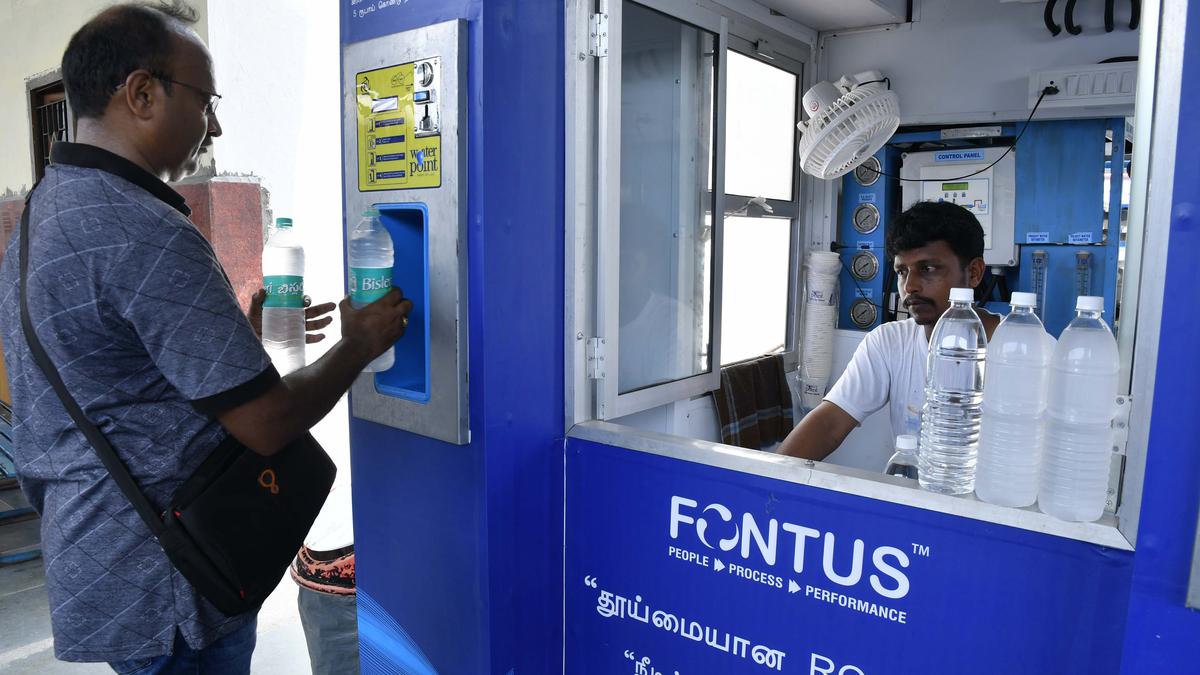
The Comptroller and Auditor General (CAG) of India has released an audit report on passenger amenities and sanitation at railway stations, revealing persistent and widespread shortfalls. An audit of 512 stations, conducted jointly by CAG and railway officials, found that 458 stations—nearly 89%—were deficient in one or more minimum essential amenities.
The audit covered stations handling long-distance passenger traffic of at least 150 km. The sample was drawn from 5,908 stations across 16 railway zones that run 7,424 passenger trains daily and served 292.4 crore passengers in 2023-24. The shortfalls included fans at 42% of stations, water coolers at 40%, drinking water taps at 27%, urinals at 22%, seating at 15%, platform shelters at 13%, latrines at 12%, and clocks at 12%. Only 54 stations (11%) had no shortfalls.
The audit also flagged deficiencies at major terminals classified as NSG-1 stations, which include Chhatrapati Shivaji Maharaj Terminus, Howrah, Sealdah, New Delhi, and Mumbai Central. Other stations with noted shortfalls include Naihati, Gaya, Bhagalpur, Bhopal, and Rajkot. Significantly, these issues were also highlighted in previous CAG audits in 2007, 2013, and 2016, indicating a lack of corrective action over time.
The CAG report attributes these persistent problems to inadequate monitoring of the Railway Board's circular of April 9, 2018, the absence of time-bound action plans, weak oversight of fund utilisation, and inconsistent prioritisation at the zonal level. For instance, the Railway Board instructed in September 2012 that platform shelters should cover areas where general second-class coaches stop. However, this was not ensured at 379 stations, leaving passengers exposed to weather conditions. Additionally, clocks were missing at 60 stations, and dustbins were not provided as per norms at 149 stations.
The audit reviewed 395 passenger amenity works across 325 non-Amrit Bharat stations. It found that 59% of these works were delayed, ranging from one to over four years, while only 41% were completed within the stipulated timelines. This has deprived passengers of timely access to essential facilities. The Amrit Bharat Station Scheme, launched in 2022, is an ongoing Ministry of Railways initiative to modernise more than 1,300 stations. Of the 512 stations audited, 325 were non-Amrit Bharat stations.
The CAG has expressed concern that lower-priority works may be undertaken under the guise of redevelopment, while long-pending compliance with mandatory norms continues to be compromised or diluted. The report states that deficiencies in monitoring, enforcement, and accountability at all levels have undermined the objective of ensuring minimum essential amenities and sanitation standards, despite the availability of resources.
An analysis of budget allocations for passenger amenities from 2019-20 to 2023-24 reveals significant underutilisation. Funds allocated were ₹3,207 crore in 2019-20, ₹3,875 crore in 2020-21, ₹3,414 crore in 2021-22, and ₹3,351 crore in 2022-23, rising sharply to ₹14,072 crore in 2023-24. However, utilisation remained between 56% and 64% during this period, meaning 36% to 44% of grants were unspent, even in non-COVID years. The report notes that this points to deficiencies in planning and execution rather than financial constraints.
The CAG's findings underline a systemic failure to address basic passenger needs despite repeated audits and adequate funding. The report emphasises that the objective of providing minimum essential amenities at railway stations remains far from being achieved.







