Bombay HC Turns Down Urgent Relief for United Spirits, Mohan Meakin in FSSAI Labelling Case
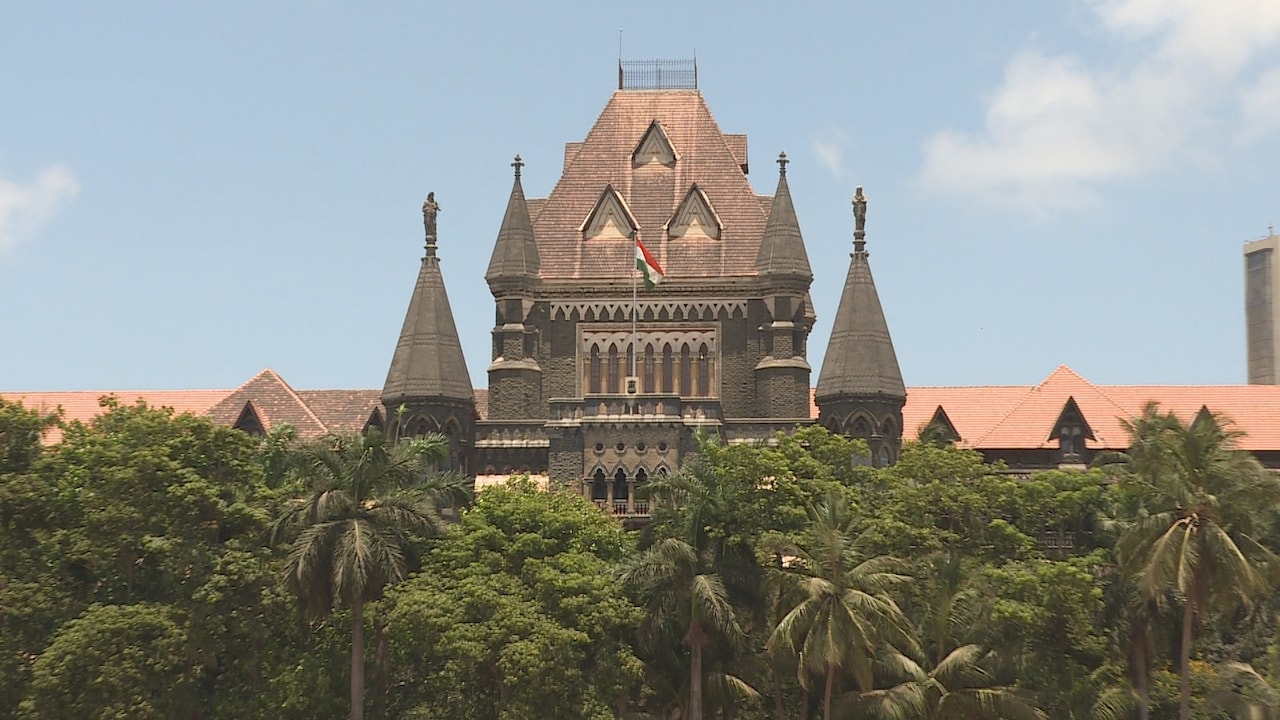
The Bombay High Court on [date] refused to grant interim relief to liquor manufacturers United Spirits and Mohan Meakin in their legal challenge against the Food Safety and Standards Authority of India's (FSSAI) flavouring and labelling regulations. The companies had sought a stay on the enforcement of these rules, arguing that they impose undue compliance burdens and conflict with existing laws.
The dispute centres on FSSAI's directives that mandate specific labelling declarations for alcoholic beverages, including details about flavouring agents and other additives. United Spirits, a major player in the Indian spirits market, and Mohan Meakin, one of the country's oldest breweries, contended that the regulations exceed FSSAI's statutory authority and lack proper scientific basis. They also argued that the rules create ambiguity, potentially affecting product formulations and consumer perception.
During the hearing, the petitioners requested interim protection to prevent immediate enforcement while the court examines the merits of their case. However, the bench declined to issue any stay, effectively requiring the companies to comply with the FSSAI's requirements until a final ruling. The court did not elaborate on its reasoning, stating that the matter requires detailed consideration.
Legal experts note that this decision does not determine the outcome of the main petition but signals that the court is not inclined to pause regulatory measures without a more substantial case. The FSSAI's regulations, part of a broader push to standardise food and beverage labelling across India, have been phased in over the past year. Industry bodies have raised concerns about the costs and logistics of relabelling existing stock, especially for export-oriented units.
For United Spirits, which owns popular whisky and brandy brands, and Mohan Meakin, known for its iconic Old Monk rum, the ruling means they must adjust their packaging and possibly product recipes in line with FSSAI's norms. Non-compliance could result in penalties or restrictions on sales.
The court has scheduled the next hearing for [future date], when it will take up the substantive arguments. Until then, the companies are expected to work with the FSSAI to ensure compliance while reserving their legal options.
This case highlights the ongoing tension between regulatory oversight and industry interests in India's fast-growing alcoholic beverages sector. The FSSAI, established under the Food Safety and Standards Act, 2006, has been progressively tightening norms to align with global standards. However, manufacturers argue that sudden changes disrupt business operations and disproportionately affect smaller producers.
Observers will be watching how the court balances consumer safety concerns with the industry's practical challenges. The final verdict could set a precedent for future disputes over labelling and additive regulations in the country.







