BJP Got Four Times Congress's Share from 19 Common Donors in FY25
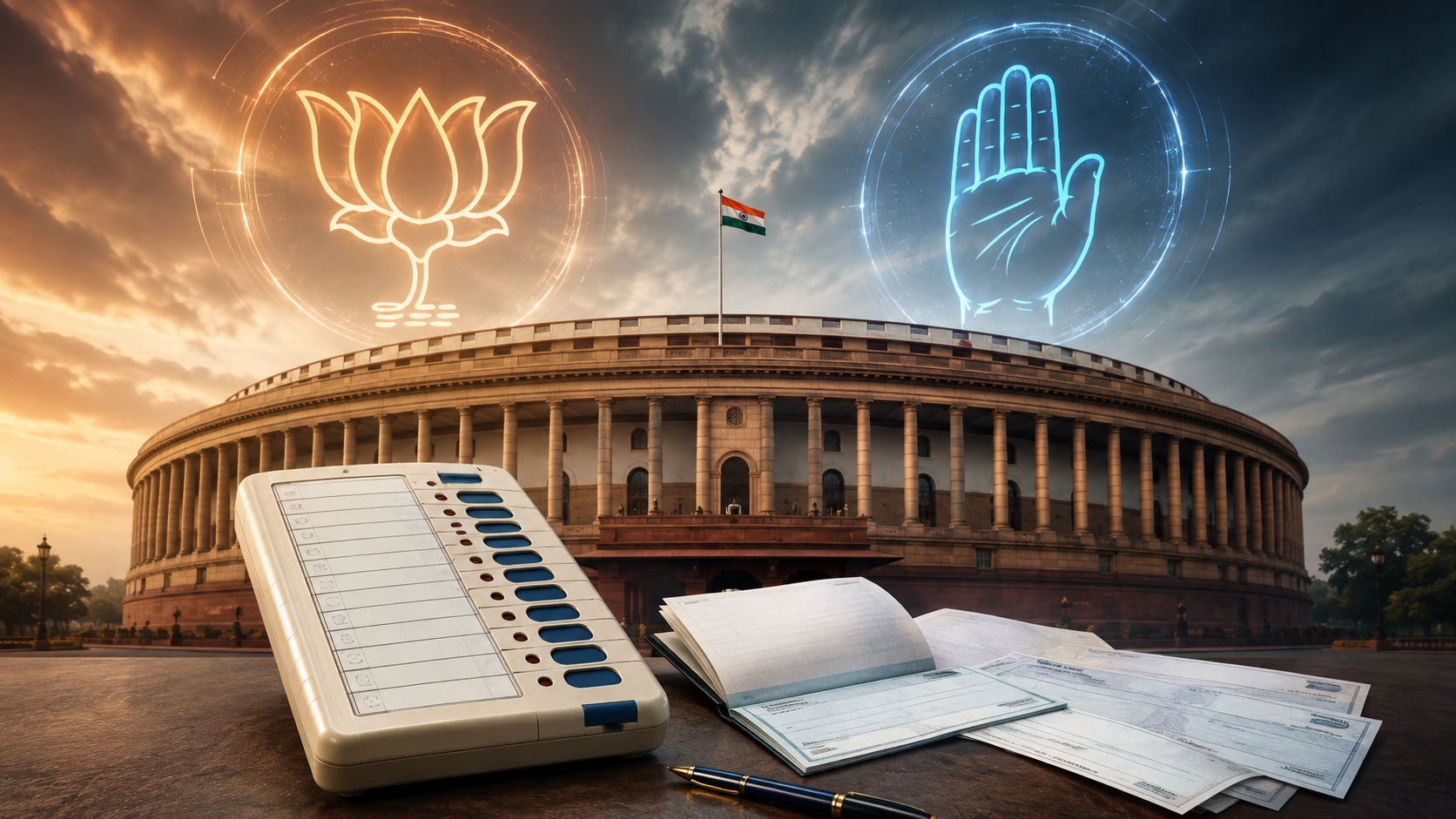
In the financial year 2024-25, national political parties in India collectively disclosed contributions exceeding ₹6,600 crore. Among them, the Bharatiya Janata Party (BJP) emerged as the largest recipient, reporting donations of more than ₹6,000 crore. These figures, submitted to the Election Commission, offer a rare glimpse into the funding patterns of major political parties.
A notable finding from these disclosures is the role of a small group of donors who contributed to both the BJP and the Congress. According to an analysis of contribution reports, 19 common donors gave nearly ₹258 crore to the two parties during the same period. Of this amount, the BJP received almost four times as much as the Congress. This disparity underscores the growing influence of business and corporate entities in shaping political finance in India.
The disclosure requirements under the Representation of the People Act, 1951, mandate that parties report contributions of ₹20,000 and above from any individual or organisation. However, experts have often pointed out that the absence of a central, searchable database makes it difficult for the public to track the full extent of corporate funding. Despite this, the current data provides enough detail to analyse patterns of giving.
Political analysts say that the presence of common donors for both ruling and opposition parties is not unusual, as businesses often seek to maintain relationships across the political spectrum. Such contributions are seen as pragmatic investments in influencing policy outcomes, irrespective of which party is in power. The fact that the BJP, as the ruling party at the Centre, received a substantially larger share reflects its electoral dominance and perceived influence over regulation and taxation.
The total donations to national parties in FY25 also reflect a broader trend of rising political spending. With elections held in several states and the Lok Sabha polls during this period, parties required substantial funds for campaigning and outreach. The reliance on corporate houses and wealthy individuals has raised concerns about the equitable representation of diverse interests in the political process.
Previous reports by independent research organisations have highlighted that a significant portion of political funding comes from a few hundred large donors. This concentration raises questions about accountability and the potential for policy capture. However, there is no empirical evidence in the current data to suggest any quid pro quo or improper conduct. The donations themselves are legal, and the disclosures comply with existing regulations.
Efforts to reform political funding in India have seen mixed results. The introduction of electoral bonds, which were later struck down by the Supreme Court in February 2024, had anonymised donations, making it harder to trace the origin of funds. The court's decision mandated that the State Bank of India disclose all electoral bond details, leading to increased transparency. The current disclosures are therefore more comprehensive than in previous years, allowing for a clearer understanding of donor behaviour.
Both the BJP and the Congress have defended their fundraising practices, stating that all contributions are accounted for and reported as per law. They also note that small individual donations form a growing part of their finances, particularly through digital platforms. Nevertheless, the dominance of corporate donors remains a defining feature of India's political economy.
The full impact of this concentration of funding is a matter of ongoing debate. Some argue that corporate interests inevitably influence policy decisions, while others contend that parties are resilient to donor pressure due to the competitive nature of elections. What is clear from the data is that the financial gap between the BJP and other parties, especially the Congress, has widened, mirroring their respective electoral fortunes.
As the country prepares for future electoral cycles, the need for transparent and accountable political financing will only grow. Citizens, civil society groups, and the media will continue to scrutinise these figures, looking for patterns that either affirm or undermine the democratic process.







