BJP forms Gen Z outreach team with key leaders Smriti Irani, Vinod Tawde, Nitin Nabin
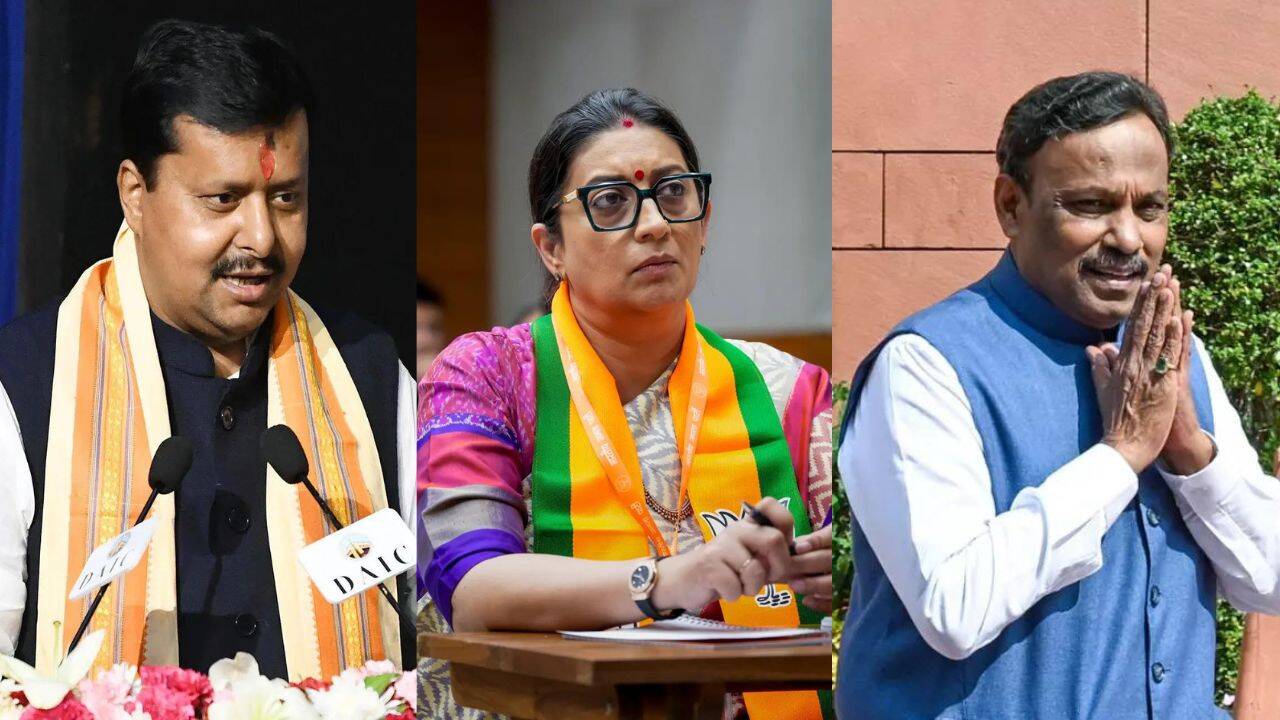
The Bharatiya Janata Party (BJP) has announced the formation of a dedicated outreach team aimed at engaging with Gen Z voters, according to party communications. The team will include prominent leaders Smriti Irani, Vinod Tawde, and Nitin Nabin, among others, signalling the party's focus on younger demographics ahead of upcoming elections.
The initiative is part of a broader effort to strengthen connections with first-time voters and youth, who are increasingly seen as a decisive factor in electoral outcomes. The team is expected to work on communication strategies, digital engagement, and ground-level interactions to convey the party's policies and vision to younger audiences.
Smriti Irani, a Union minister known for her experience in media and communication, Vinod Tawde, a senior party organiser, and Nitin Nabin, a youth wing leader, have been entrusted with key roles. While the specific responsibilities of each member have not been publicly detailed, the team's broad mandate is to bridge the generational gap and make the party's outreach more accessible to young voters.
The formation of such a team is not unprecedented in Indian politics, but it comes at a time when youth-centric issues such as employment, education, digital access, and climate change are dominating public discourse. Political observers note that parties across the spectrum are tailoring their campaigns to address these concerns, as India's large young population forms a significant share of the electorate.
The BJP's announcement has been met with reactions from opposition parties, some of whom have questioned whether the team will translate into substantive policy engagement or remain a symbolic exercise. However, the party has not yet announced specific campaigns or timelines, and it remains to be seen how the team operationalises its goals.
Analysts point out that outreach to younger voters is not limited to social media presence; it requires sustained engagement on issues that matter to them. The BJP's move to involve senior leaders in this effort indicates a recognition of the stakes involved. Whether this approach resonates with Gen Z will depend on the quality of interactions and the responsiveness of the party to their feedback.
As the election cycle progresses, more details about the team's activities are expected to emerge. For now, the initiative highlights the increasing importance of youth engagement in India's democratic process, with political parties seeking fresh ways to connect with the electorate.







