Australia agrees to supply uranium to India for civilian nuclear programme
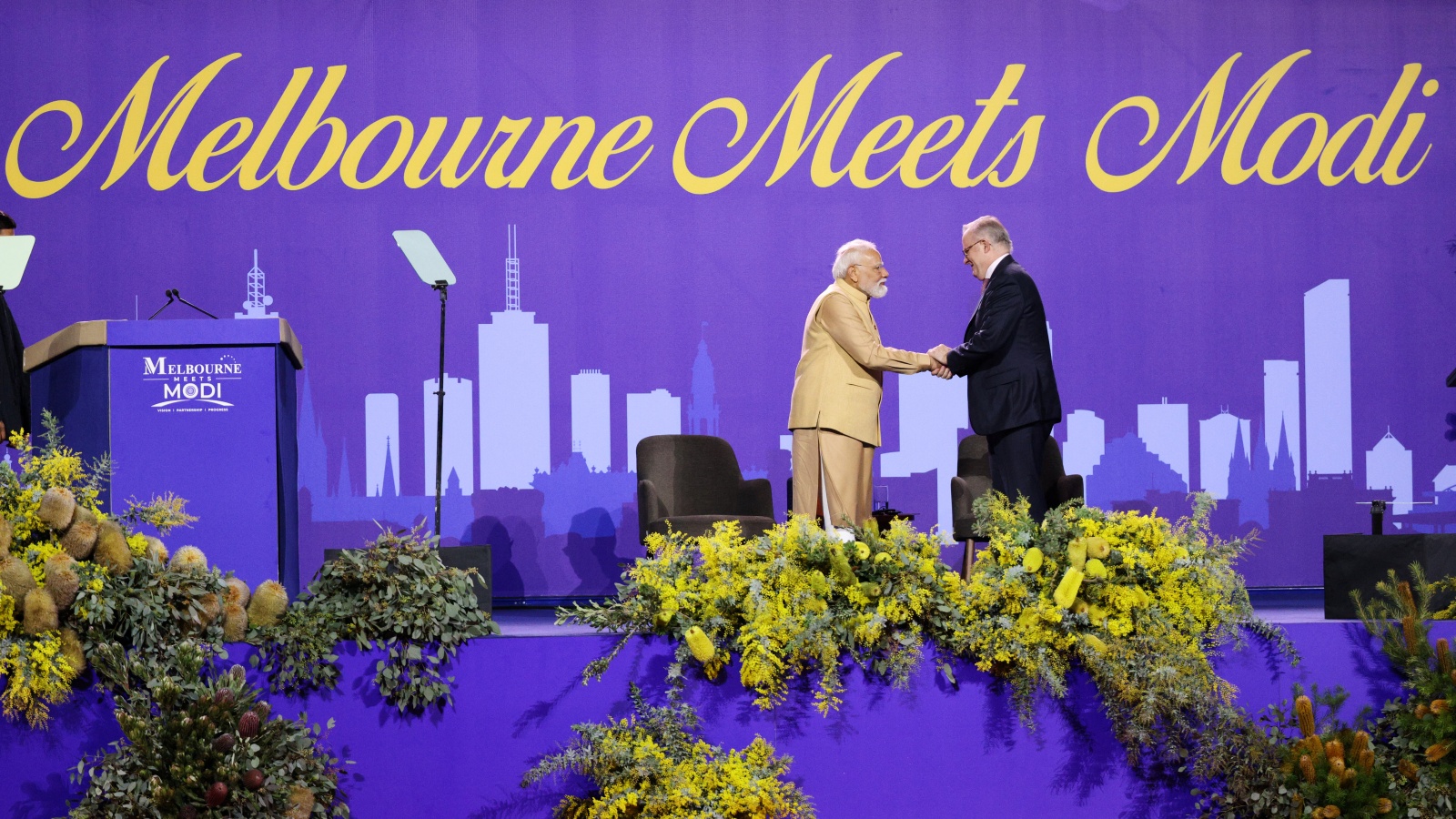
At the third India-Australia Annual Summit in Melbourne on 9 July, both countries announced a significant step forward in their bilateral relations: Australia will supply uranium to India for its expanding civilian nuclear power programme. The agreement, part of a broader joint statement covering multiple areas of cooperation, comes after years of negotiations and reflects a shift in Australia's long-standing policy of restricting uranium exports to signatories of the Nuclear Non-Proliferation Treaty (NPT).
Australia holds the world's largest uranium reserves—approximately one-third of the global total—and the quality of its uranium is higher than India's low-grade domestic mineral, which entails higher extraction costs and generates more tailings. For India, access to Australian uranium will support its nuclear power expansion plans, which aim to increase electricity generation while reducing carbon emissions.
Historically, Australia maintained a strict policy of exporting uranium only to NPT members. It had expressed reservations when India, a non-NPT state, secured a nuclear cooperation agreement with the United States in 2008 and subsequently received a special waiver from the Nuclear Suppliers Group. However, India's consistent efforts to demonstrate its non-proliferation credentials gradually changed Australia's stance. A key milestone was India's signing of an Additional Protocol (AP) with the International Atomic Energy Agency (IAEA) in 2009, which came into force in 2014. The AP commits India to a separation plan dividing its nuclear facilities into civilian and military categories, allowing international safeguards on civilian sites while protecting its strategic programme.
In 2015, Australia and India concluded a Nuclear Cooperation Agreement that permitted uranium exports. However, commercial shipments were delayed because the Administrative Arrangement (AA) needed to implement the agreement was not yet in place. The AA outlines procedures for tracking, accounting, and reporting the use of Australian Obligated Nuclear Material (AONM), ensuring it is used exclusively for peaceful civilian purposes under IAEA safeguards. After nearly two years of intensive negotiations, the two governments finalised the AA, enabling commercial contracts between Australian suppliers and Indian consumers.
India has imported uranium from several countries since the 2008 Indo-US nuclear deal. Between 2008-09 and 2025, India imported 18,842.60 metric tonnes of uranium in various forms under IAEA safeguards—including natural uranium ore concentrate from Canada, France, Kazakhstan, and Uzbekistan, and natural uranium dioxide pellets and enriched uranium from Russia. The addition of Australian uranium will further diversify India's sources.
The agreement is seen as a building block for India's nuclear power expansion, which aims to increase the country's nuclear energy capacity. Both nations have common security concerns in the Asia-Pacific region, and this cooperation reflects a growing alignment of interests. The joint statement from the summit lists several other areas of collaboration, but the uranium supply deal stands out as a concrete outcome of the evolving partnership.







